
To understand Venice culture and traditions, it helps to look beyond monuments, gondolas, and lists of things to see. Venice has always been a city of contradictions: opulence and crowds, independence and ritual, outsiders and locals, beauty and chaos.
Culture is perhaps the best way to make sense of all of it.
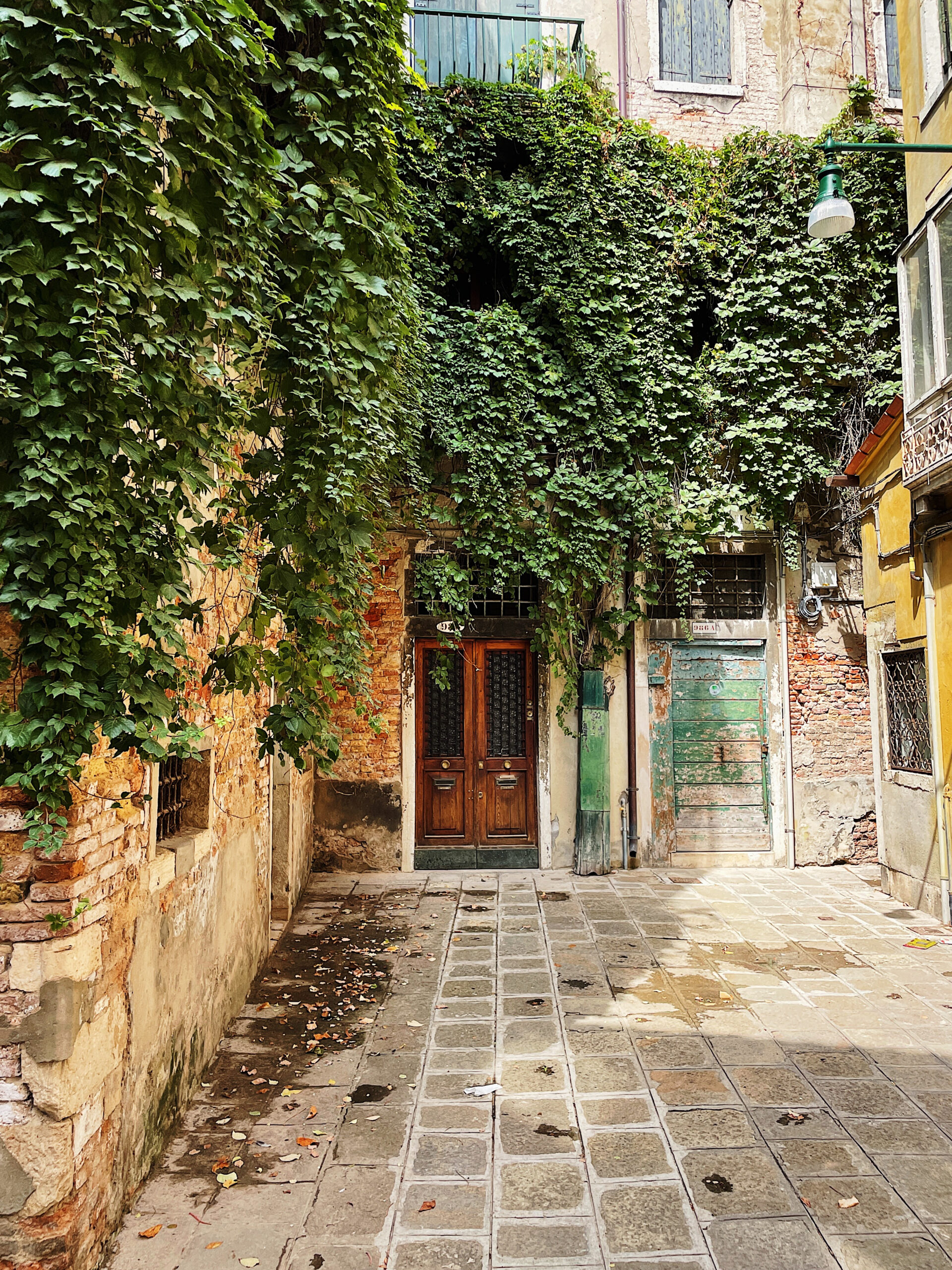
Venice Has Always Been a City of Contrasts
The word for Venice is opulence. There’s no doubt. But the word dream suits equally well.
Crowd is another word. And chaos, another one. Somehow, the latter two make sense with opulence.
Thinking of the glorious past of the city, when it gained the name Serenissima, it’s hard to believe that it wasn’t as overloaded as we see it today. With people, animals, noblemen, and folk men. Sellers and merchants and their boats loaded with goods. With spices and foods from every place in the known world and people with the same exotic origins.
Even at its power and wealth apex, Venice knew considerable polarization.
I don’t think this has ever changed.
Today we have the horde of all the likeminded selfie hunters on one side and the acculturated mindful visitors on the other.
Back then, there were the poor, struggling to survive, and the rich and powerful with their privileged lives. The rich spent their days partying, overly decorating their palazzi, patronizing the arts, playing card games, betting, flirting, having love affairs, and negotiating for their wealth and that of the city-state.
The rest of the population worked hard but was effortlessly distracted: they had access to gambling, religious and laic celebrations, and plays in improvised theaters in the piazzas—called Campi.
Things have become better.
The profound difference is still there, but the traveling style is in the hands of the single vacationer.
The choice is simply between superficiality and respect.
Between zombieing around passively submitting to the dictates of trends and uninformed lists of things to see or truly enjoying the energy coming from the history, the legends, and the folklore that the city is waiting to share with us.
Independence, Pride, and Venetian Culture
I have yet another word for Venice, and it is pride.
Venetians have always been proud of their city, of their lifestyle, of their freedom of customs, no matter their social status.
Their dignity came from their very well-defended independence from the overwhelming regulations and control of the Church.
Other cities in the peninsula weren’t so lucky, or better, so stubborn, and were indeed tragically subjugated.
Venetians still treasure that pride, although the authentic inhabitants have dramatically decreased.
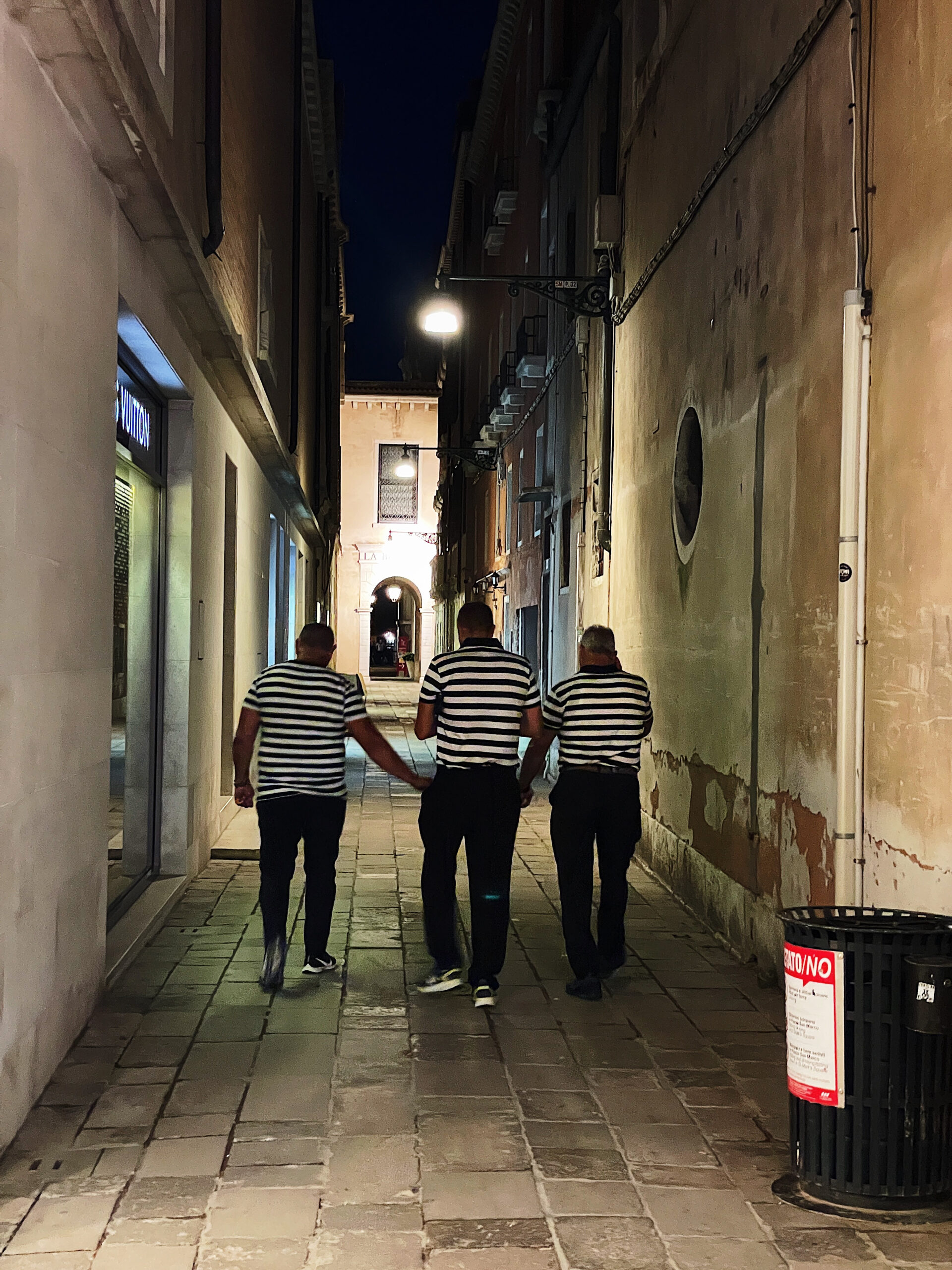
What Tourism Has Done to Local Venice
Tourism is their greatest menace.
Bed & breakfasts, hotels, and other hosting solutions have invaded most of their homes and buildings. The shops and grocery stores that they used to supply from have become souvenir traps.
Abroad-made low-quality memorabilia is all that’s left on the shelves.
The other menaces come from the cruise ships, the giant boats that—used to!—enter the Grand Canal and spew crowds into the streets.
Not that the same doesn’t happen in many other Italian cities, but Venice is a cute little jewel, and the damages to the ecosystem are endless.
This is why I dare order you to sleep in Venice.
It’s for your good too, believe me.
Don’t miss the magical moment when the flocks leave, locals venture outside, and the air fills with authenticity.
When you can sense the true essence of the city, what the past has left, and what is in an embryonic state, soon to bloom.
It’s hard to figure them out when you have to squeeze, curve, and slip in to cross a bridge.
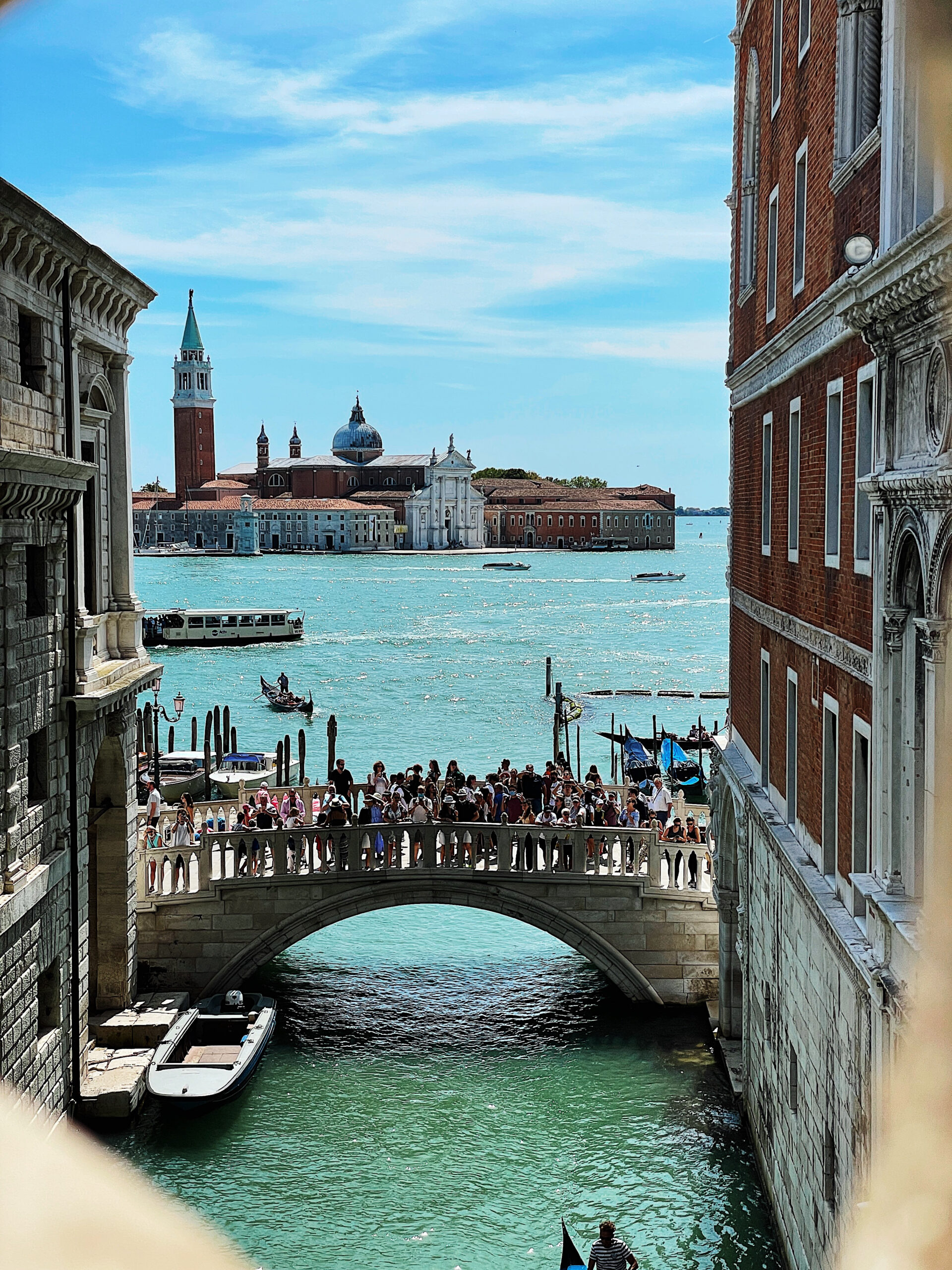
How to Experience Venice Through Its Culture
And still, just like the other cities of Italy I’ve explored to date, I find there’s a way to unveil the black mantel of confusion and vulgarity that conceals the spell.
The word, this time, is culture.
A way to dig deeper.
It’s like applying a filter to your sight.
It’s like seeing what other people don’t see.
It is feeling, it is understanding, it is gifting oneself an experience that is unique because your personality interprets every scene, smell, or flavor.
Some of us will see ghosts from the past strolling the alleys or sitting on a gondola on their way to a new adventure.
Others will picture themselves dressed in brocade, with a wig or a dizzying hairdo and tons of jewels, swinging around and dancing to the notes of the Rondò Veneziano.
Some will get moved and sympathize with a courtesan: a poor creature battling and pleading for the recognition of her true talents and passion.
And again, some will giggle, envisioning Casanova sitting at the table next to theirs, in a beautiful café, sipping Prosecco, flirting with a married woman.
A great night of seduction, lust, oysters, pigeons, chocolate, wine, and maybe a few crumbles of love is expecting them.
Others will simply go to a restaurant, sit at the table, and order traditional dishes, enjoying every bite because they know the story; they know how the path of ingredients, traditions, and tales crossed theirs.

A Different Kind of Venice Culture Trip
My wish for you is to experience all of this.
To feel.
To share it while cooking, while hosting friends or family, while setting the table for a romantic dinner.
To travel through the pages of this cookbook.
And if you physically go to Venice, to find what makes YOU happy.
What makes taking a train, a flight, or a drive worth it.
Your respect and the time spent reading and gathering information will give back immense delight: the fulfilling satisfaction of an inner reinterpretation, of independent thinking, of mindful traveling.
Crowds won’t be a problem anymore.
You’ll be part of another parallel, enchanted universe.
Welcome to magical Venice,
Claudia

This article is adapted from Venice Simposio, my cultural and culinary portrait of Venice through recipes, traditions, stories, seasons, and everyday Venetian culture.