
The love story between Torino and chocolate began centuries ago.
According to Turin tradition, Emanuele Filiberto di Savoia offered the citizens a cup of hot chocolate to celebrate the transfer of the Savoy capital from Chambéry to Torino.
Chocolate first conquered the courts, as it was doing in other European countries, but soon it tainted the streets.
And Torino never really recovered.
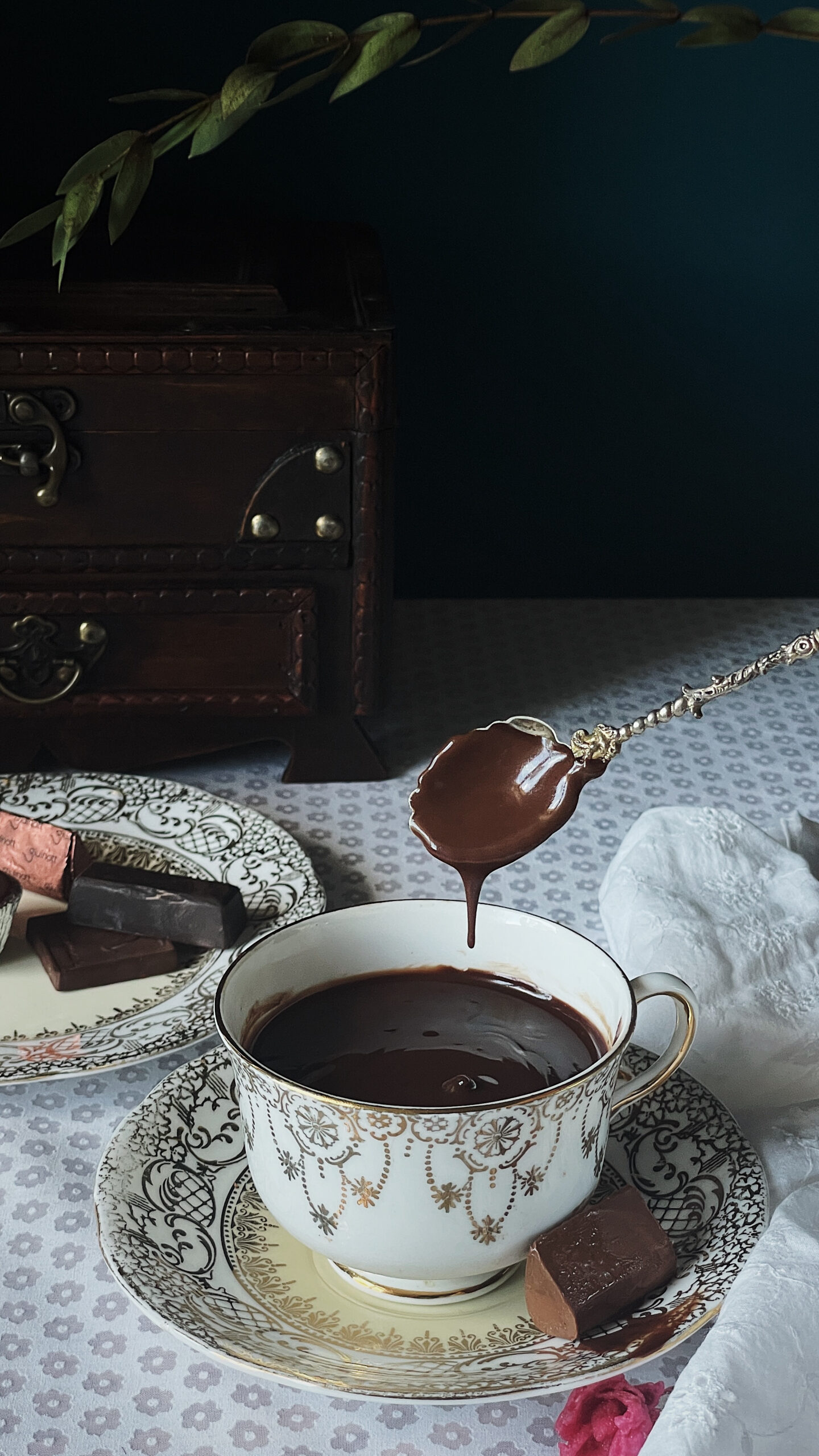
FROM THE SAVOY COURT TO THE STREETS OF TURIN
The courtiers snacked on hot chocolate and a couple of pralines between one main meal and the other.
During the Merenda Reale, noblemen and women were served drinkable chocolate made with just hot water, accompanied by traditional dry cookies to dip, appropriately called Bagnati — wet — and pralines.
The first and most traditional of the latter were called Diablottini, little devils: simple flat discs of dark chocolate, sugar, and vanilla.
In the 1800s, hot chocolate was upgraded and enriched with coffee or heavy cream — later with milk — or both, eventually giving us Torino’s famous Bicerin.
A forever folk drink.
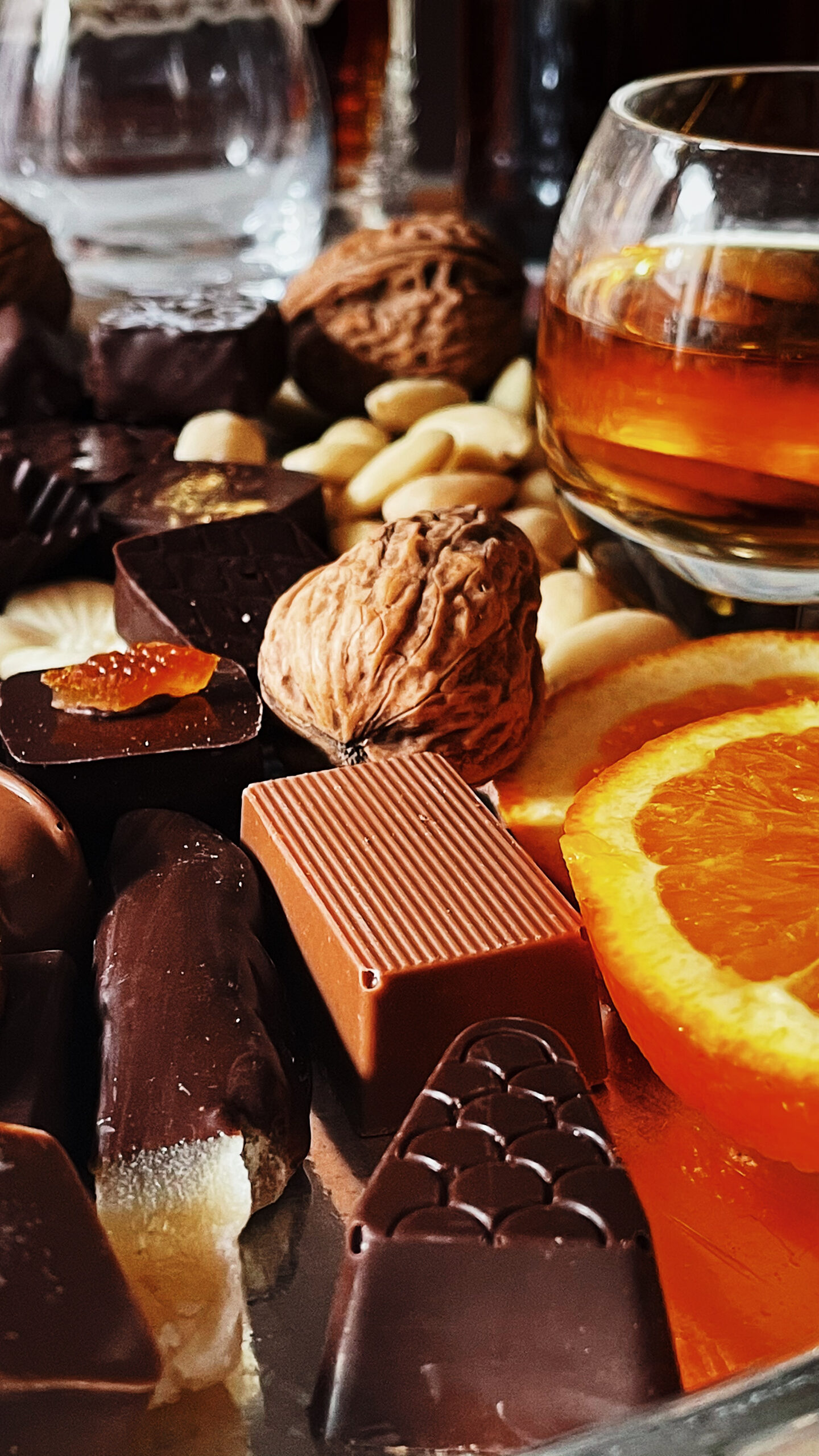
BICERIN: TURIN IN A GLASS
Bicerin combines coffee, chocolate, and cream in a small glass, creating the layers that make it one of Torino’s most recognizable drinks.
And although today it may look almost inevitable — of course Torino would find a way to combine coffee and chocolate — it is just one chapter in a much longer chocolate story.
Because Gianduiotti came later.
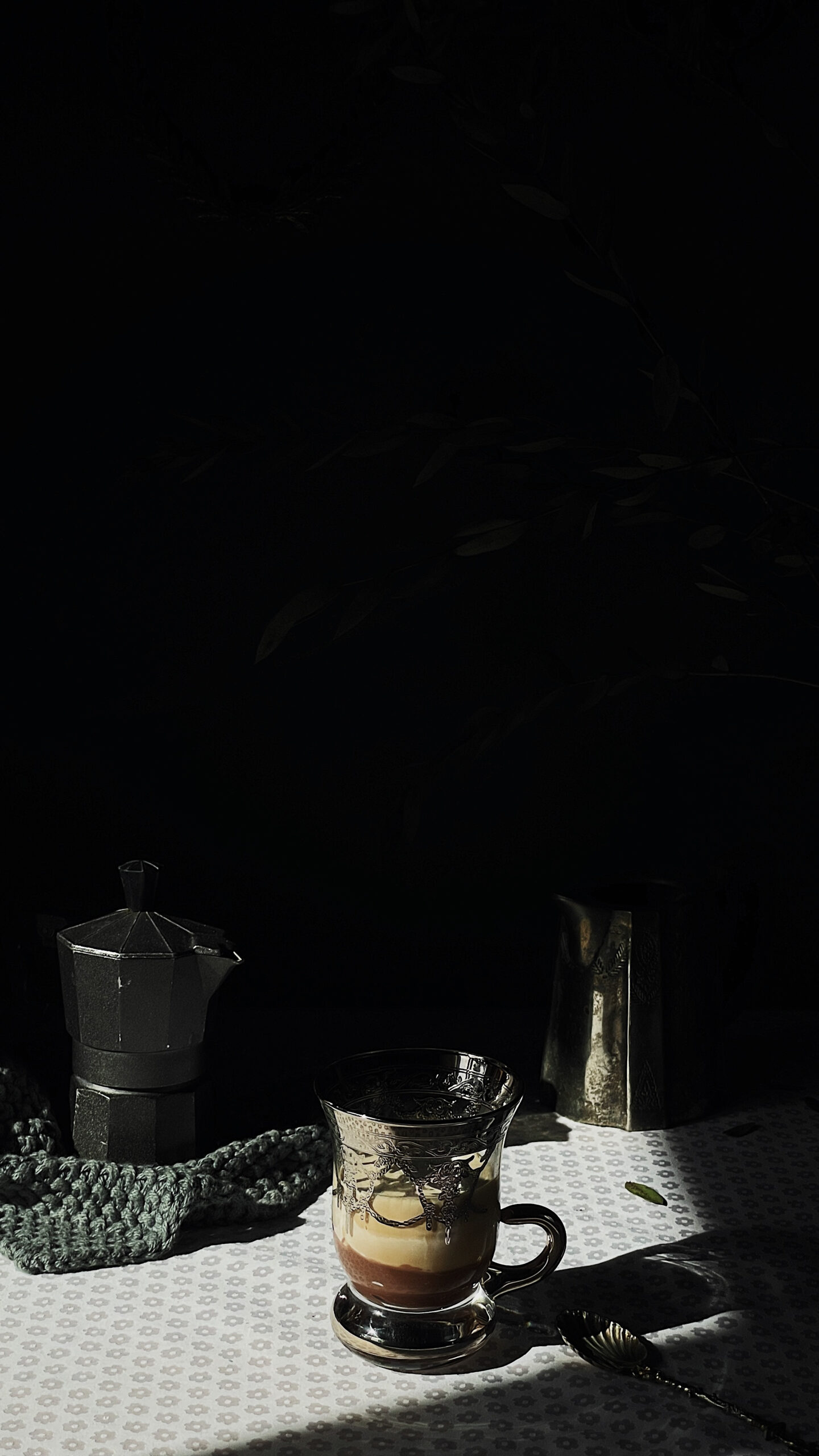
GIANDUIA AND THE BIRTH OF THE GIANDUIOTTO
The traditional story of Gianduia begins during the Napoleonic period.
Napoleon Bonaparte’s Continental Blockade made cocoa scarcer and increasingly expensive. Piedmont, luckily, was rich in something else.
Michele Prochet, a Turinese chocolate artisan, realized that hazelnut paste — made from the precious nuts the region was, and still is, rich in — could be added to chocolate.
Result?
A sublime paste that took the name of Torino’s Commedia dell’Arte mask: Gianduia.
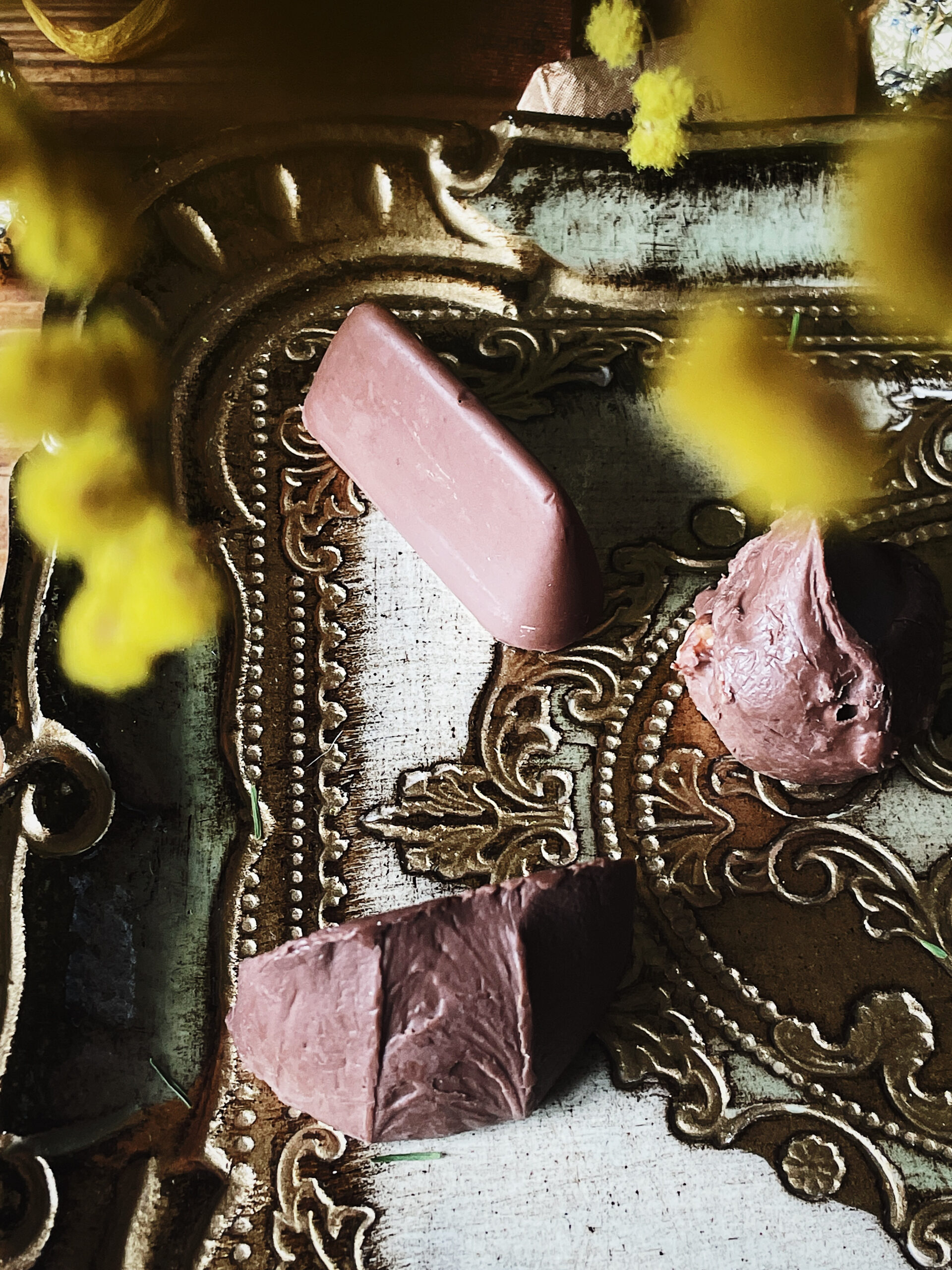
The Gianduiotto followed and soon became one of the symbols of Turin.
Its launch was genius: during the 1865 Carnival parade, Gianduia, the mask the chocolate was named after, gave hundreds of them away to people in the streets.
WHO WAS GIANDUIA?
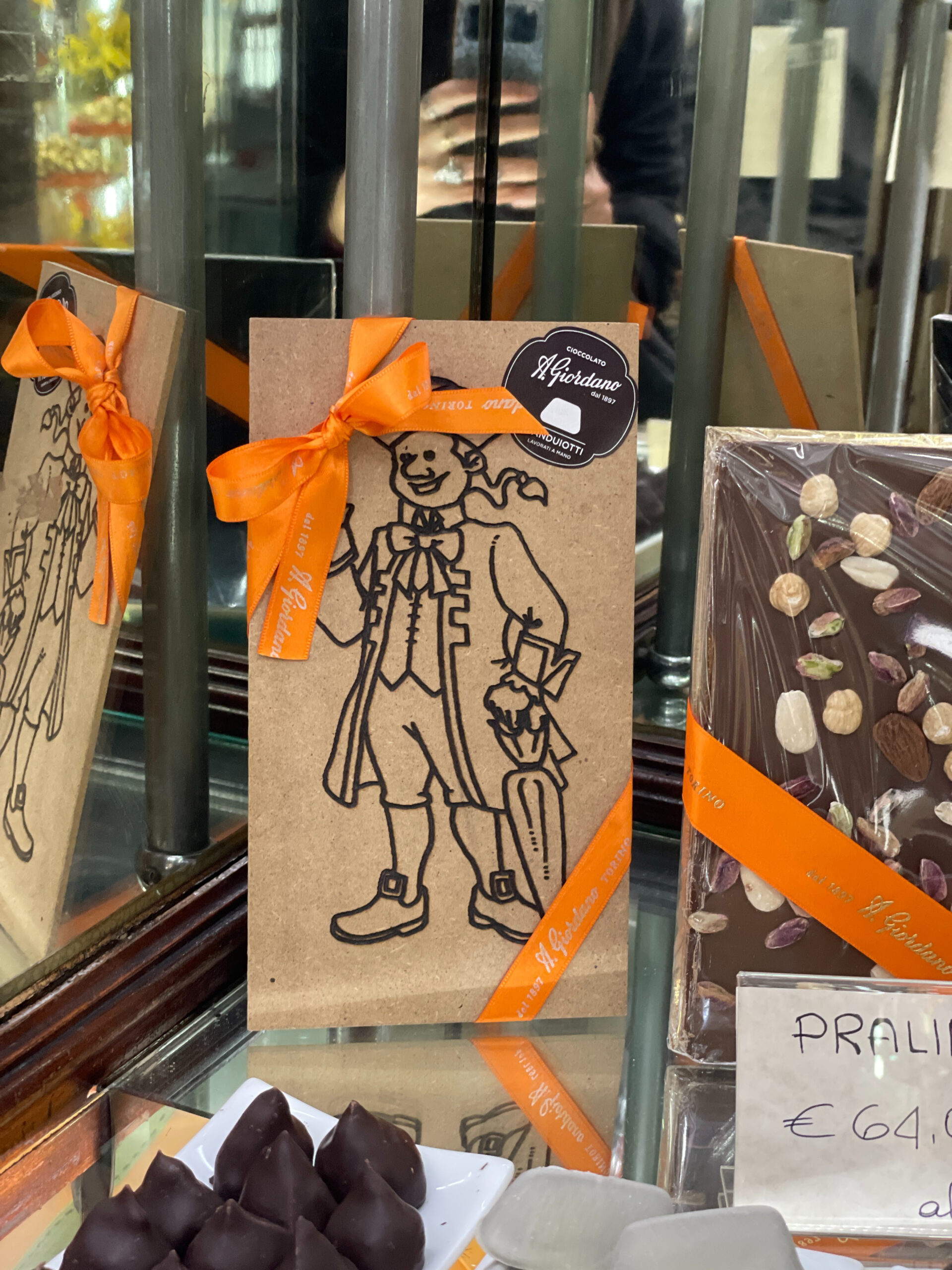
Tradition depicted Gianduia as a simple peasant with a good heart, a jovial temper, welcoming, smiling, wise, and clever-talking.
As usually said — and personally witnessed — of Piedmontese, he loved good wine and gatherings around a set table.
Gianduia was also said to be terribly careless.
Legend recounted that he once spent hours looking for the donkey he was riding.
I can relate.
He dressed in a colored striped vest, a red-rimmed brown jacket, short green trousers, red stockings, buckle shoes, a large cloak, a wig with an upturned pigtail, and a tricorn hat.
He also carried a giant umbrella.
It was during my exploration of Torino, in the exquisite company of my guide Francesca, hopping from one lab to the other, sipping Vermouth and tasting every possible variation of Gianduiotti, that I learned that the mask had a female counterpart: Giacometta, Gianduia’s wife.
And yes, Turin eventually named a chocolate after her too.
But I’ll leave Giacometta — and quite a few other pralines — for another time.
MY GIANDUIOTTO SAFARI
Since Gianduiotti are the king of Torino — and of our hearts, I must admit — Francesca accompanied us through our safari, tasting one at every stop she recommended.
Darker.
Lighter.
Firmer.
More malleable.
From established historic producers or newcomers bringing novelty, production innovation, and even flavors.
But there are a few fundamentals when it comes to Gianduiotti: characteristics one is asked to respect under the penalty of eternal disrespect from fellow citizens.
A Gianduiotto must melt in your palate.
Whether produced by estrusione, dripped over surfaces, stampato — shaped in molds — or carved out with a spatula by cuffed and aproned ladies, it must melt with the heat of your palate.
It must be velvety to caress it, comforting it with the umami of the hazelnuts and shuddering it with the intensity of cocoa.
All is legit if you give your customers that dreamy melt-in-your-mouth experience.
And then there’s storytelling.

THERE’S MUCH MORE TO TURIN CHOCOLATE
Because the chocolate story of Torino does not stop with Bicerin and Gianduiotti.
There are Giacometta, Cremini, Cri-Cri, chocolate Easter eggs, historic pastry shops and chocolate laboratories, inventions, legends, personalities, techniques — and quite a few stops involving increasingly full shopping bags.
But this is where I’ll stop.
Otherwise, what would be left for the book?
The complete chocolate journey is in my Torino Simposio, together with Vermouth, the Risorgimento, Cavour, the Countess of Castiglione, Lidia Poët, tramezzini, Futurism, magic, and plenty of food.
Take a look inside the Torino Simposio here.
Claudia