
To understand Venice food culture, recipes alone are not enough.
Venetian food carries the lagoon, trade routes, seasons, religious celebrations, dialect, noble tables, fishermen, family rituals, and ingenious ways of preserving what was available.
In Venice, knowing what is on the plate often means knowing why it is there.

A Food Culture Shaped by Trade and the Lagoon
Thinking of the glorious past of the city, when it gained the name Serenissima, it’s hard to believe that it wasn’t as overloaded as we see it today.
With people, animals, noblemen, and folk men. Sellers and merchants and their boats loaded with goods. With spices and foods from every place in the known world and people with the same exotic origins.
That history is still easy to recognize at the table.
Saor: Preserving Food, Venetian Style
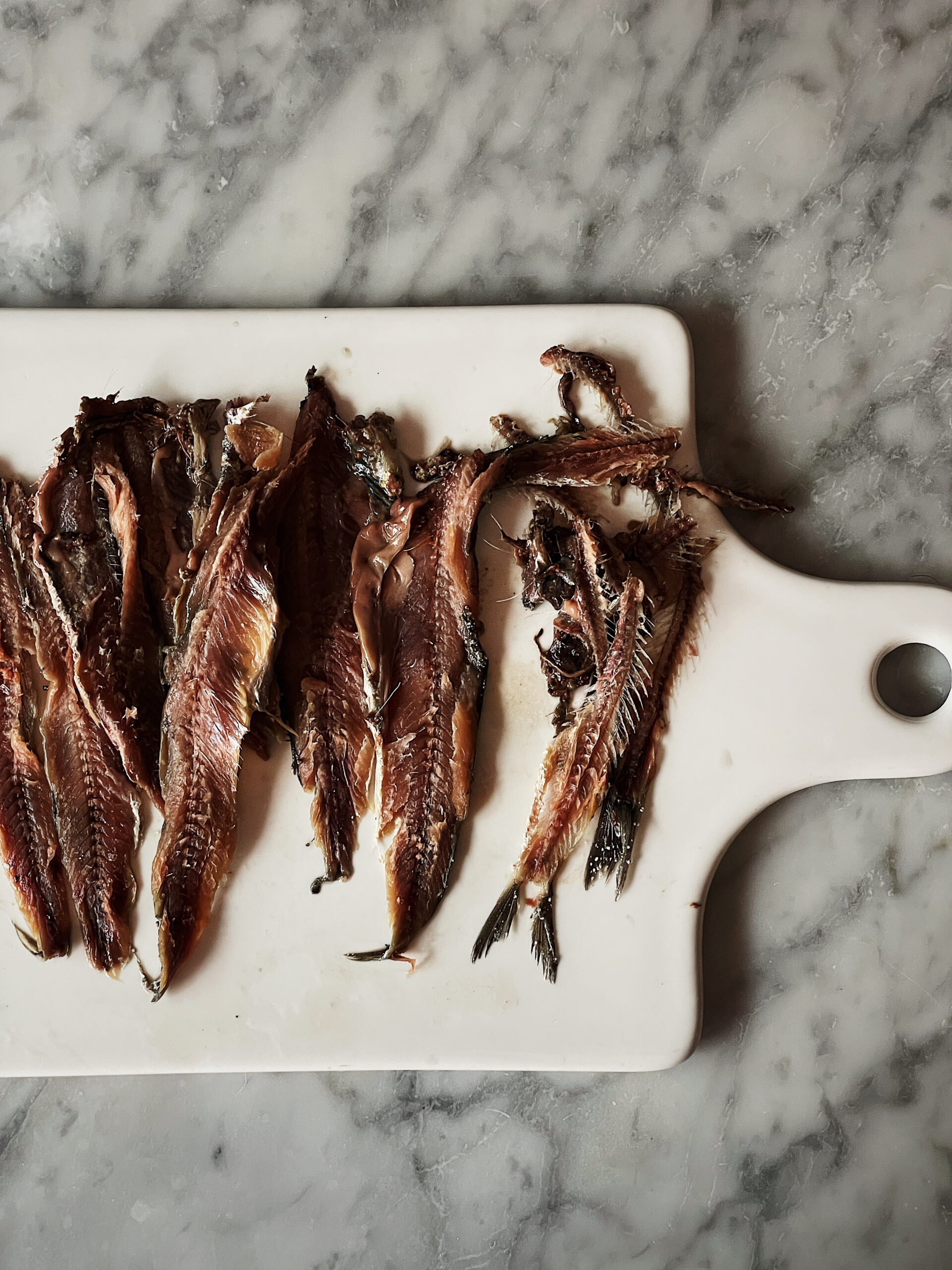
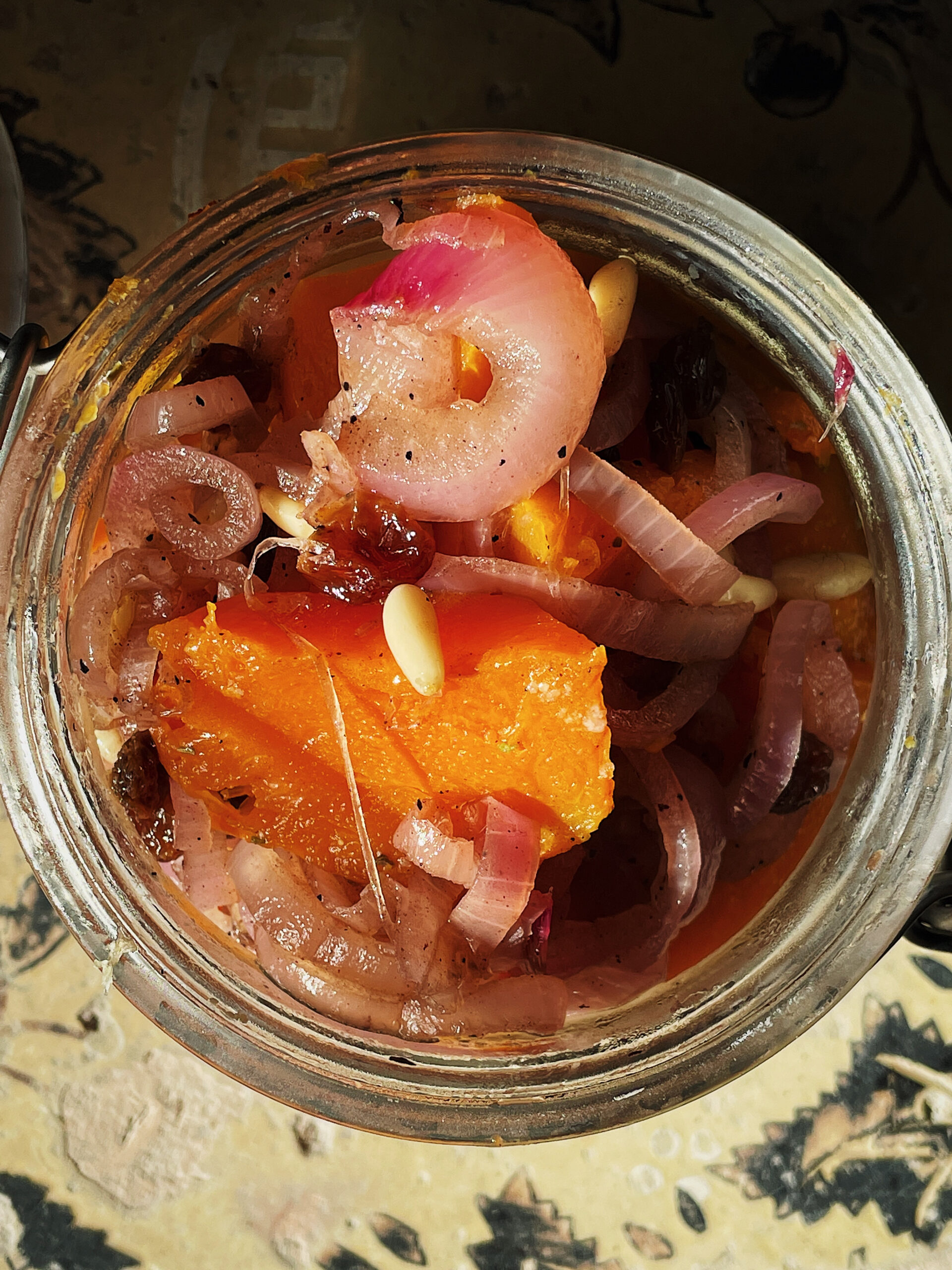
While researching, I heard someone say that Venetians can cook any ingredient “in saor.”
The multicultural origins of this cooking method have practical reasons: frying gifts the ingredients an intense flavor and soaking them in vinegar helps stretch the storage times.
And when onions enter the scene, well, the performance becomes unforgettable.
It was the fishermen to adopt it first, but I’d dare suppose it was wealthier cooks to add pricey ingredients like raisins and pine nuts!
Venetians cook “in saor” anything that happens at hand. You can try the method with practically any vegetable or fish, and I’ve also heard and read of meat, like chicken—or hen.
But raisins and pine nuts are not always there.
I guess the wisdom of tradition knew better when to add them and when not to.
The Lagoon Has Its Own Seasons
Venetian cooking is also profoundly seasonal.
Some ingredients exist for such a short time that eating them means being in Venice at precisely the right moment.
Castraure: Venice in Spring
Castraure are the first sprouts of the artichokes of St Erasmo, one of the islands of Venice.
These artichokes are already rare outside Venice, so imagine these sprouts that are cut around April and available for less than a month.
It’s a cultivation technique to get the next blossoms big, leafy, and tender.
And then there are the little artichoke boats, Fondi di Carciofo.
Little artichoke boats a fedora friend I met in Venice was savoring before running home to his wife.
You can serve them as an aperitivo, antipasto, or side dish.
They are juicy, creamy, and delicious!

Venetian Food Follows the Calendar
Food in Venice does not simply change with the seasons.
It also changes with celebrations, religious dates, family rituals, and the social life surrounding them.
Bigoli in Salsa
Bigoli in Salsa is one of the dishes prepared one day before, chilled, and devoured during the Redentore summer festivity.
But it is also traditionally made and savored, hot this time, for Christmas Eve dinner and for the Friday before Easter.
One dish, several moments of the Venetian calendar.
Pan del Doge and Christmas
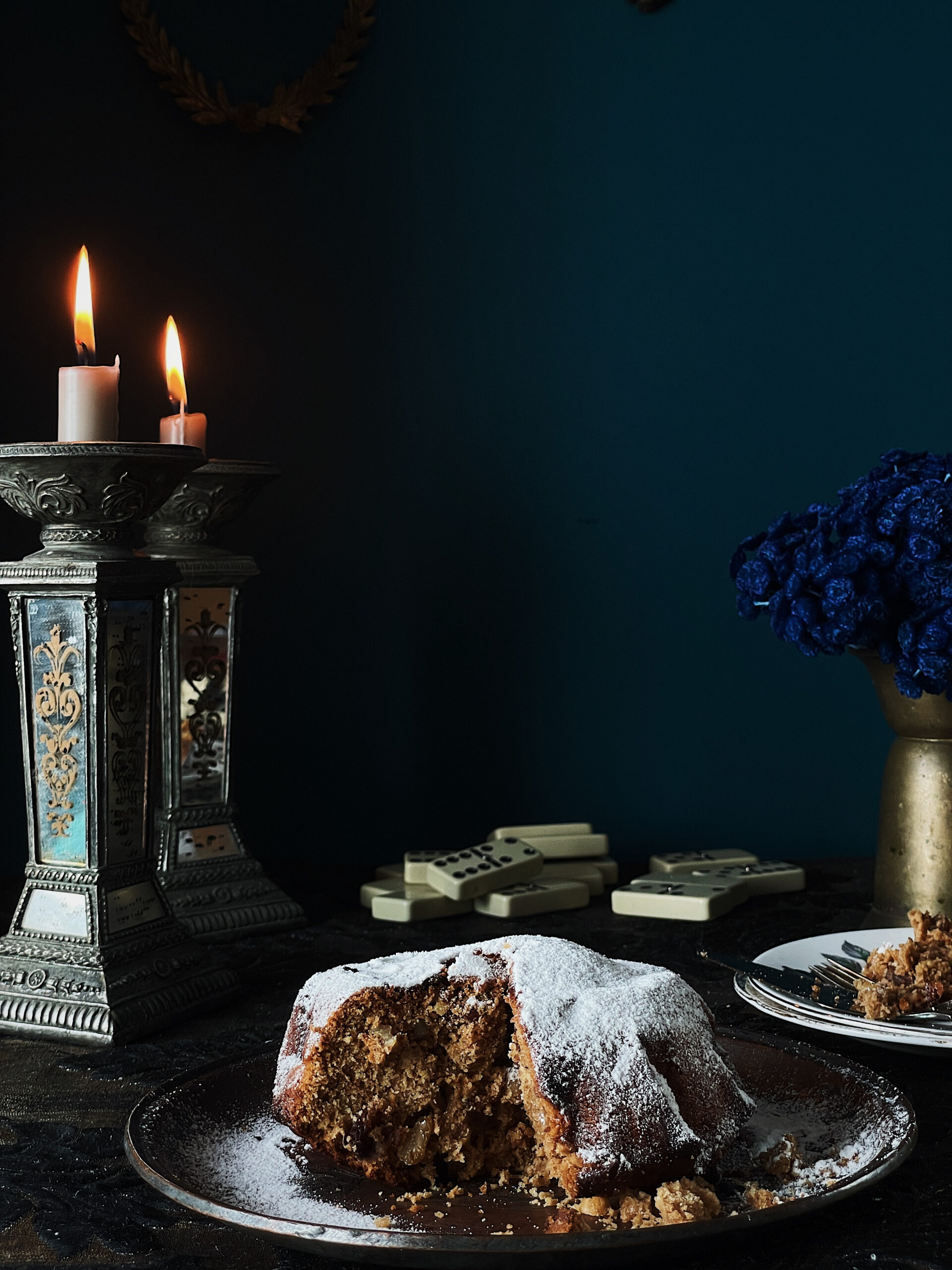
Pan del Doge was named after the Doge Silvestro Valier (1630–1700), a handsome, talkative man who greatly loved banqueting and life.
He was also a benefactor and very dear to Venetians.
The dessert at his parties was, usually, this sweet bread stuffed with nuts, sweetened with honey, and aromatized with wine.
Nowadays, it is replicated for Christmas.
Great to fill the bellies of the Venetian youngsters that, after the family celebrations, will join their friends on the streets for the so-called “messe alcoliche,” boozy masses: improvised drinking parties out of historic venues that, obviously, begin at midnight.
San Martino: A Tradition You Can Eat
Let’s go a little back in the year.
San Martino is an Italian festivity that was a bit neglected over the past decades but, I am very happy to witness, is reemerging.
There’s a new generation—well, a little niche inside of it—that loves to rediscover and treasure its heritage.
The pagan side celebrates the end of harvesting and the stipulation of new agreements between farmers and landowners.
The Catholic celebration honors the knight that gave away half his cloak to a chilled needy and the second half to another he met shortly after.
A scorching sun came out, and the day became sunny and summery.
Thus, the hot week (or a couple of) we experience around November 11th is called San Martino’s Summer.
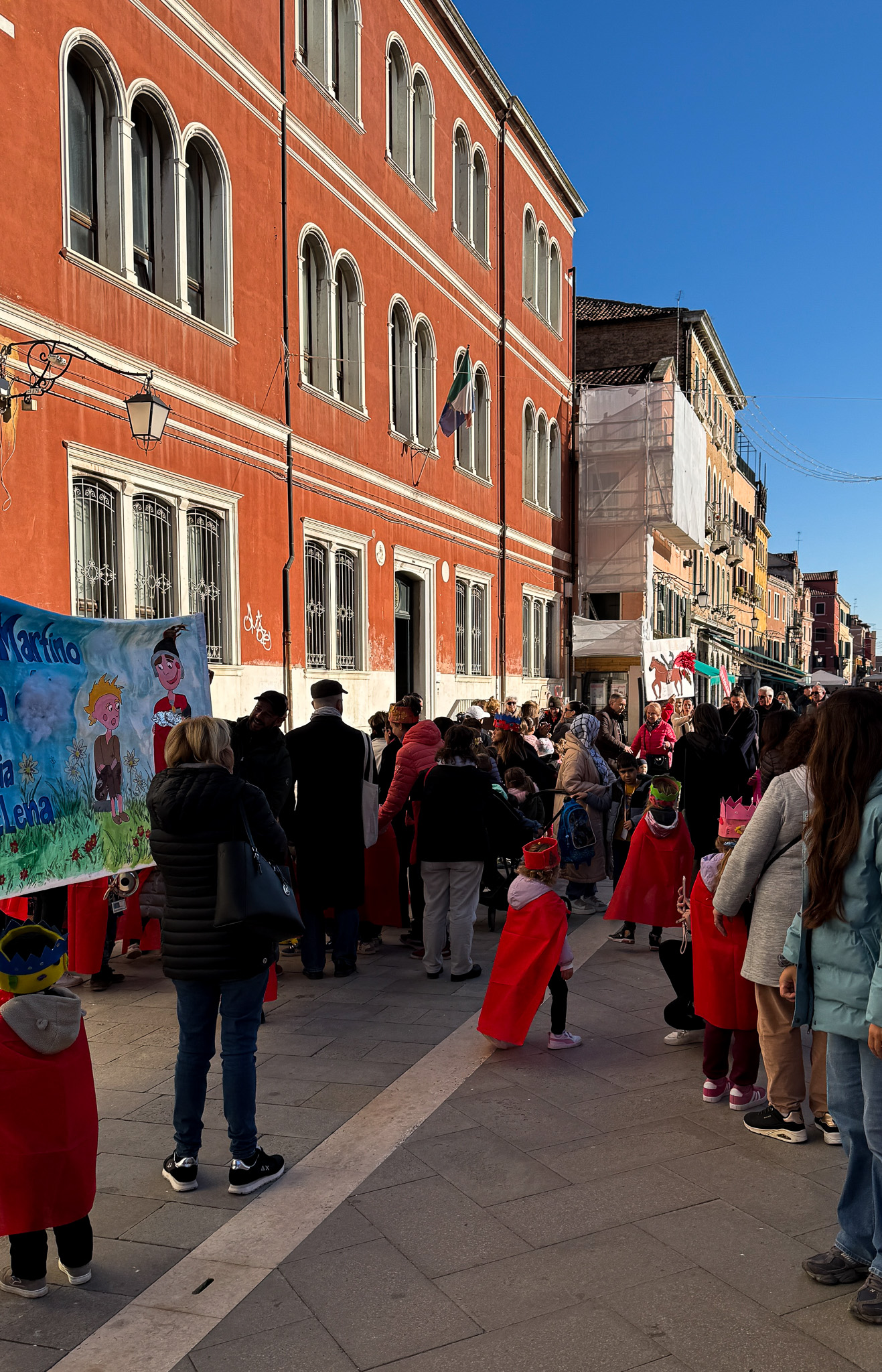
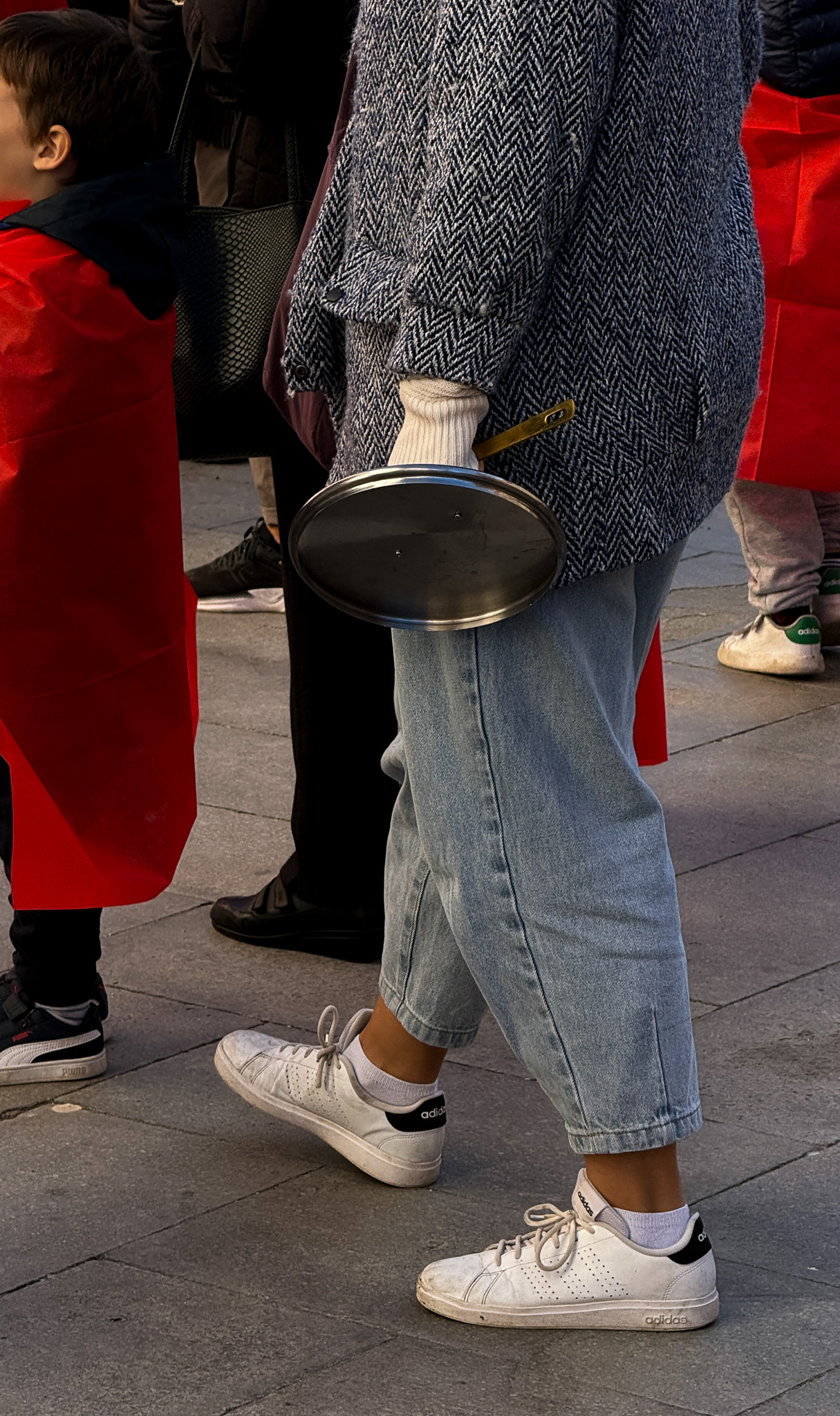
In Venice, San Martino is celebrated by kids strolling around the city wearing paper crowns, chanting a doggerel, and making noise with pots, ladles, and jars.
The people—probably to make them stop—give them candy or a coin.
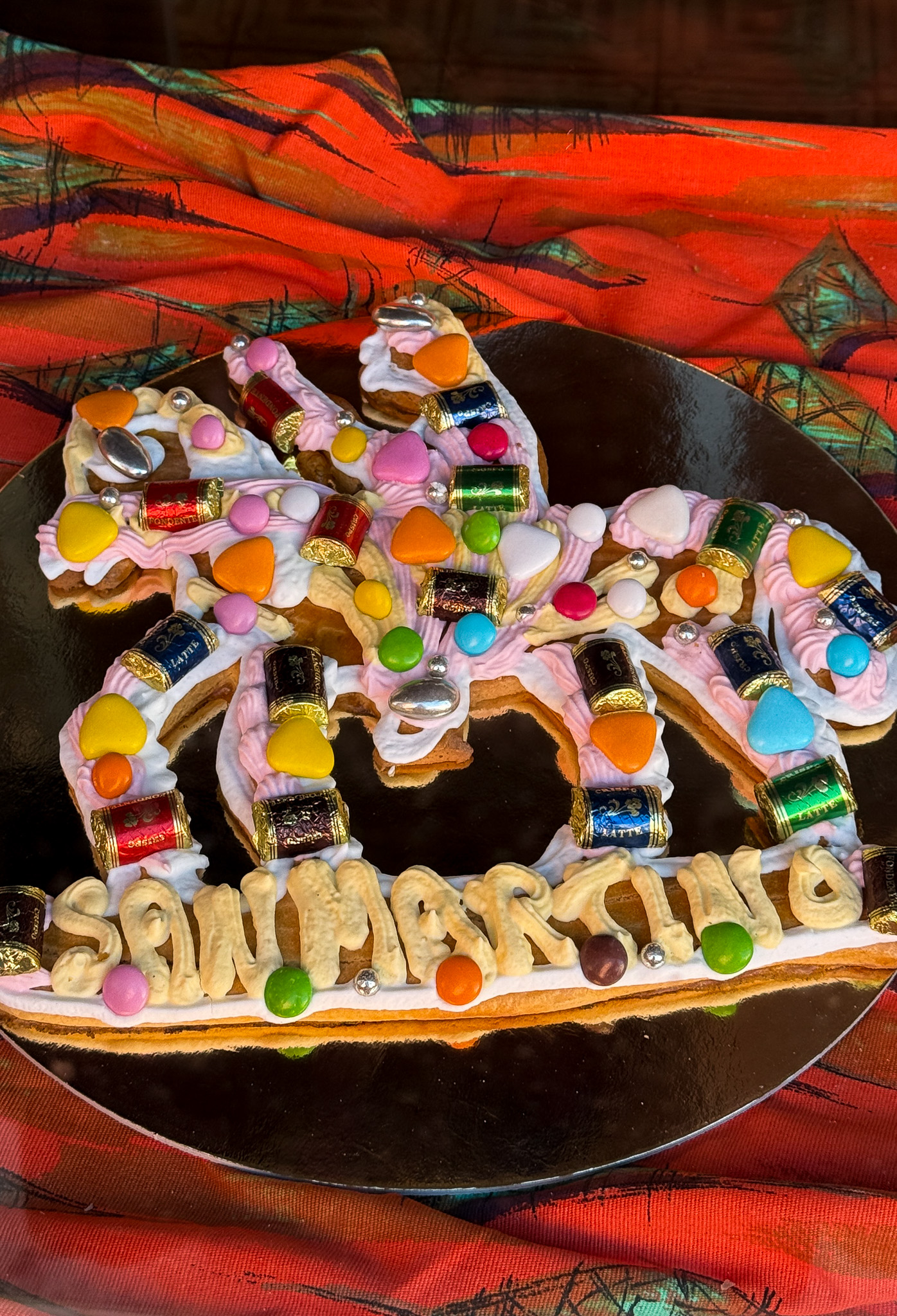
Back home, they are pampered with the Dolce di San Martino, which is nothing but a giant short-crust pastry cookie shaped like the saint on his horse, overly decorated with sweets, more cookies, and sugar confetti.
A Doge, Golden Cookies, and Zaleti
Since the Doge didn’t touch anything that wasn’t golden—or so it was said—when corn flour Zaleti cookies (“zaeti,” in Venetian dialect) had raisins, he didn’t eat them.
If they didn’t have raisins, they could, instead, be appropriately called “Zaeti del Doge.”
I’m no aristocratic or ruler, so I add, bake, and enjoy cookies dotted with delicious, sweet caresses to my unrefined palate!
Food culture is also this: stories that may survive long after nobody remembers exactly where fact ended and folklore began.

Pasta e Fasoi: Everyday Venice
Not everything Venetian is about Doges, banquets, and elaborate festivities.
There is everyday food too.
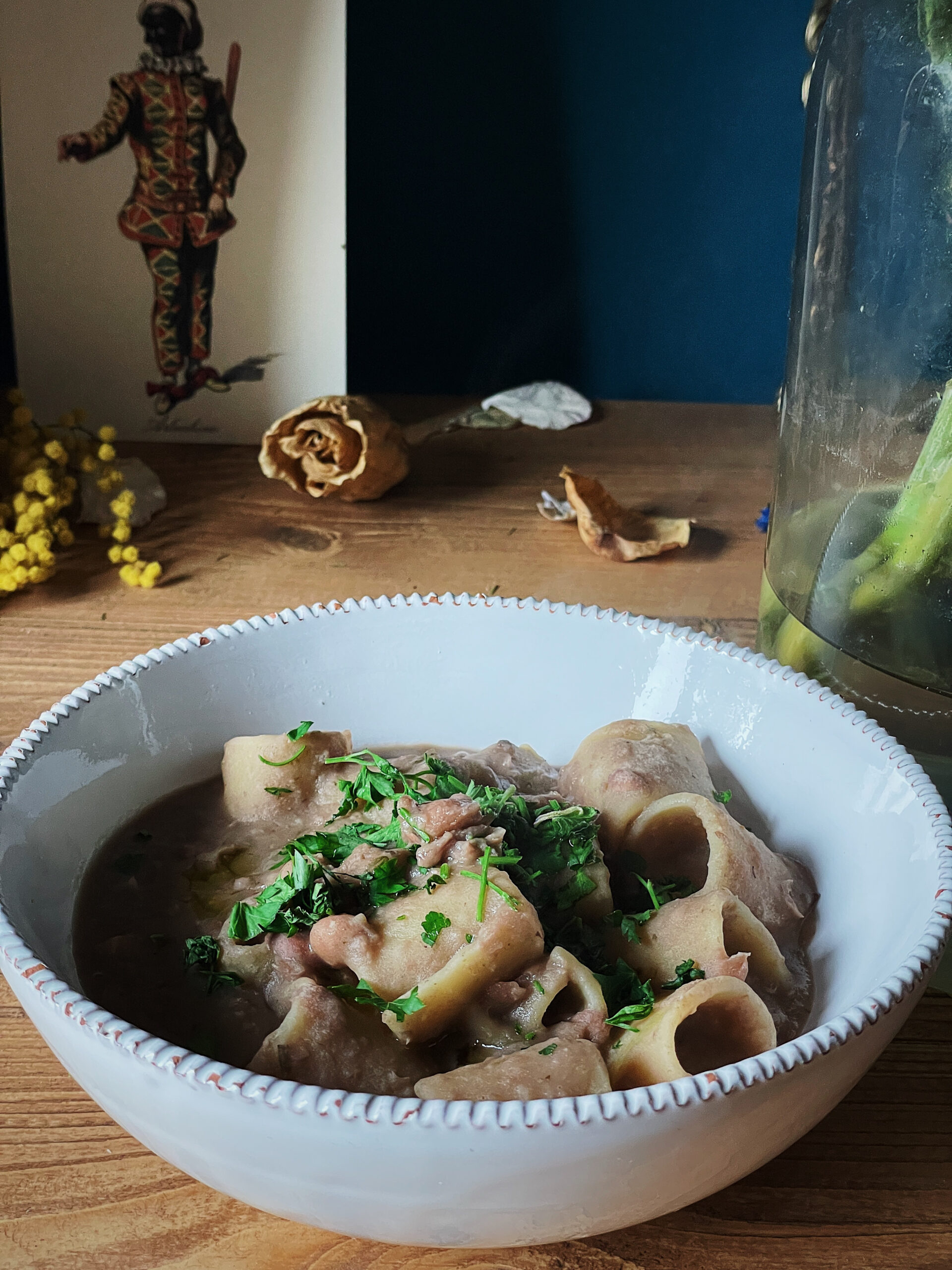
Fasoi is the Venetian dialectal term for fagioli, beans.
And this is the way a city that has always been filled with the aromas and pungent flavors of spices makes it an immensely satisfying dish.
Cloves are a great addition.
The herbs contribute to the herbaceous, multifaceted flavor.
Tradition prescribes that, at the end of the cooking, you should reach a density that lets a ladle stand up straight.
Challenge accepted?
Baccalà: Tradition Requires Work
Then there is baccalà.
When I started looking for the ingredients for this recipe, I found that the deli where I always go soaked the Baccalà for their clients for the four days necessary.
It is fundamental and propaedeutic to any preparation with this ingredient.
But making it at home is complicated and, worse, dramatically smelly.
So, I planned my Baccalà cooking for a Friday, the day when the process is over, and the filets are waiting, soaking in clear water.
Once at the counter, I was told that yes, they do it, but that I should have booked my fillet.
Then, my friend Bruno smiled and announced one lonely fillet was still in the basin.
He also warned me: keep the windows wide open.
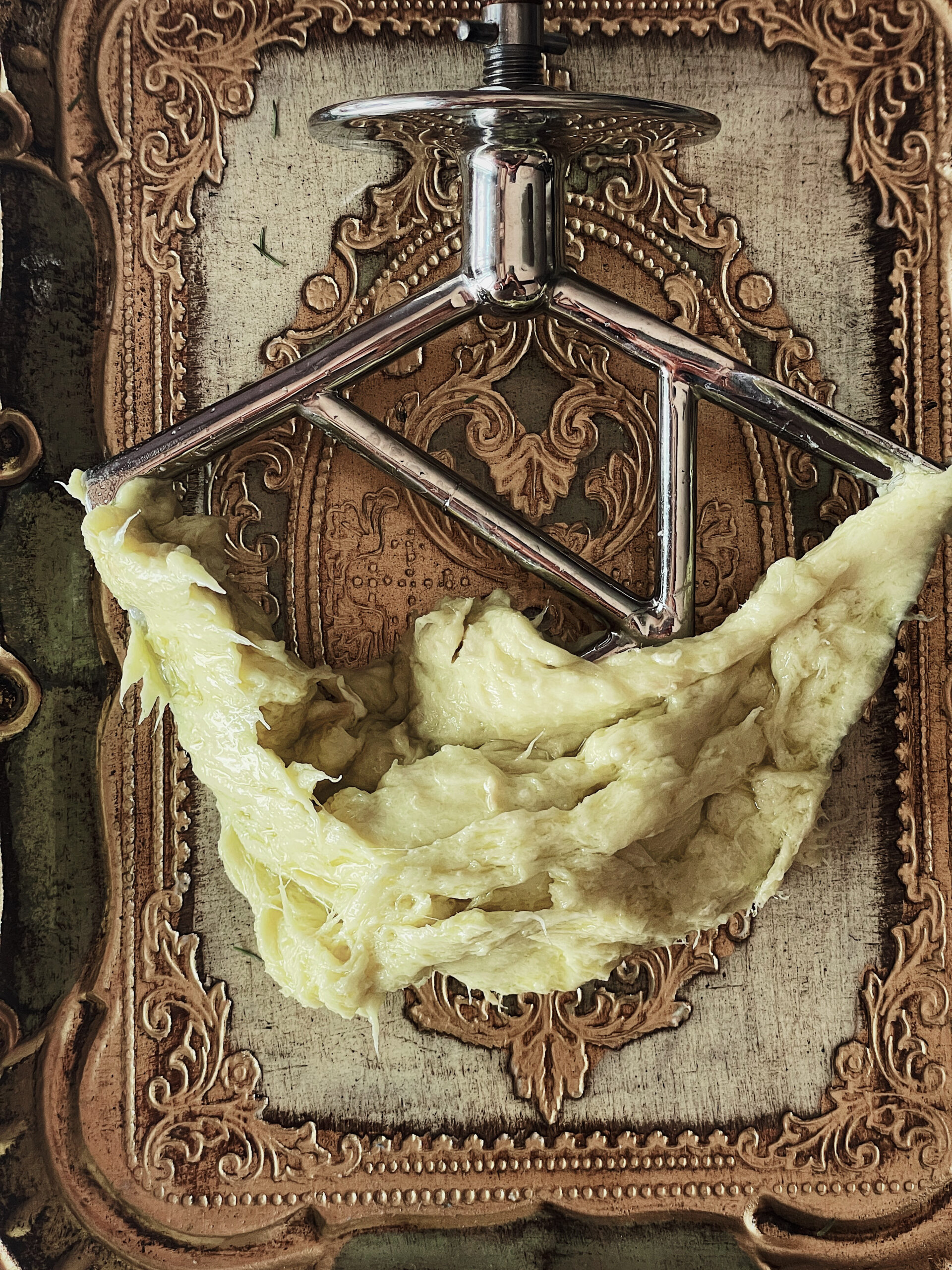
Baccalà Mantecato is not a complicated recipe, but it is traditional, and so, fairly labor-intensive, requiring a bit of finesse, not to mention sheer brute strength.
It’s one of those recipes where you’ll develop your own process to reach the tasty, frothy result.
I heartily suggest bailing on tradition and using an electric mixer.
“Mantecare” means creaming through fat absorption.
And sometimes understanding Venetian food culture also means knowing when tradition deserves devotion—and when an electric appliance deserves gratitude.
Venetian Meals Don’t Necessarily End When the Food Does
Even the end of a meal has its rituals.
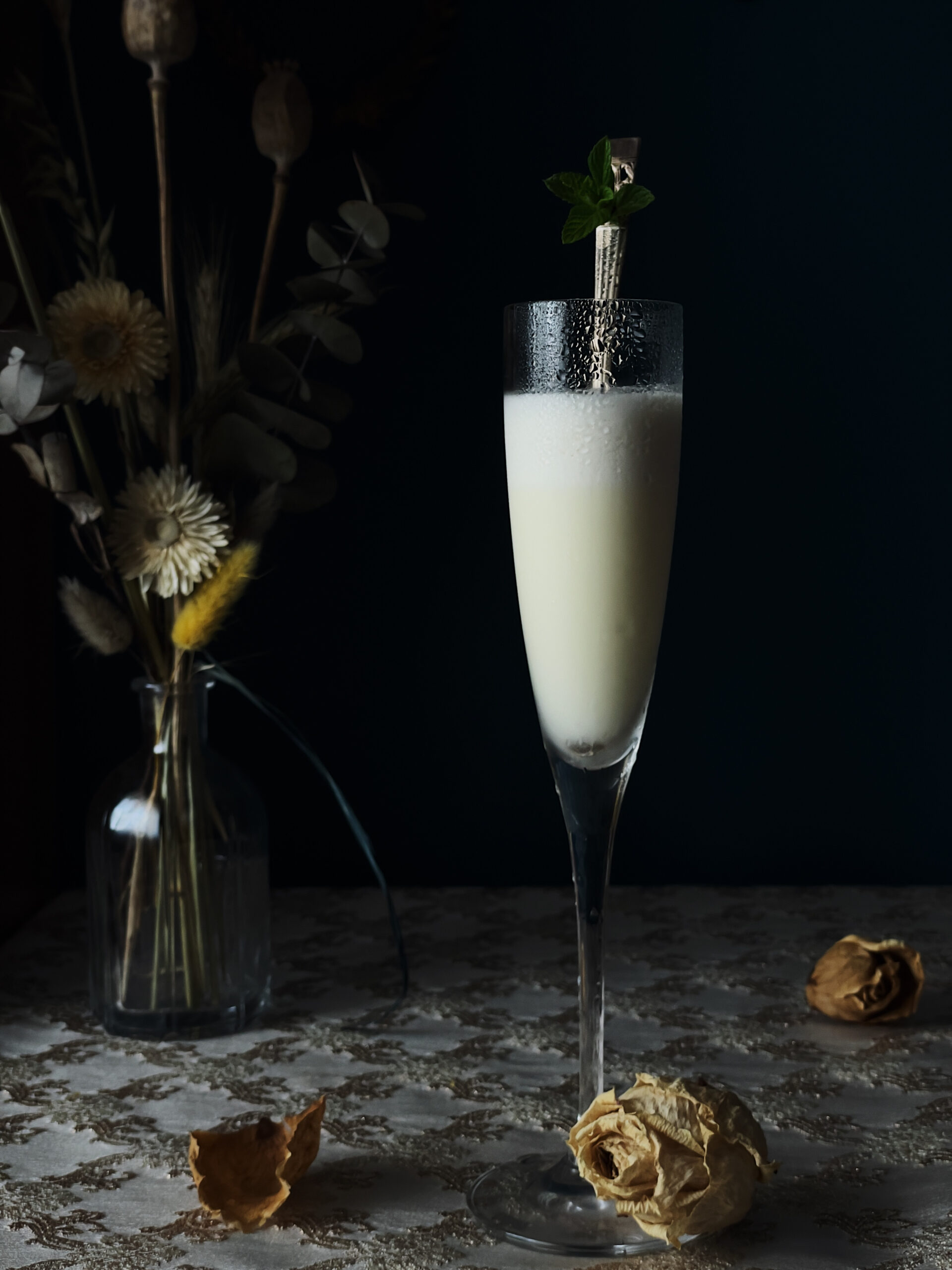
Sgroppino is the boozy variant of “sorbetto.”
Like the parent, it is served at the end of a meal to aid digestion—the name derives from the dialectal term “sgropparsi,” which translates into digest.
During long, abundant meals, it is also proposed to clean the palate between one course and the other, usually when one is meat and the other fish.
There are many recipes, different, most of the time, for the proportion of yet the same ingredients: lemon gelato, Prosecco, gin or vodka, and heavy cream, although some skip the latter.
Venetian Food Is More Than a List of Dishes
There is a temptation, especially when traveling, to reduce a local cuisine to a checklist.
Try sarde in saor.
Eat bigoli.
Order baccalà mantecato.
Find fritole.
But knowing the stories changes the experience.
The artichoke becomes a tiny fragment of spring on Sant’Erasmo.
A plate of bigoli in salsa becomes Redentore, Christmas Eve, and the Friday before Easter.
A giant cookie becomes children banging pots through the streets of Venice.
A humble bowl of pasta and beans carries dialect, spices, and a very precise idea of how thick soup ought to be.
A sweet bread recalls a Doge who liked parties.
A glass of Sgroppino belongs at the end of a meal that probably lasted far longer than planned.
And that, to me, is one of the most beautiful ways to experience Venice.

This article is adapted from Venice Simposio, my cultural and culinary portrait of Venice, where people, traditions, rituals, ghosts, and everyday Venetian culture live together.
Claudia