
Today, inspired by the Maremma Simposio, we are exploring cinghiale—wild boar—and its place in Italian food, countryside traditions, city encounters, and collective imagination.
Wild Boar in Italian—and in My Heart
First, the Italian word for wild boar is cinghiale.
Second, it is easily among my five favourite meats. It might even make the top three.
It is delicious, of course. Its flavour is unmistakable: wild, intense, almost smoky. I would even dare call it exponentially umami.
But flavour is only part of the reason I love it.
Cinghiale brings to mind delightful moments spent around a table with family or friends. To me, wild boar is comfort food—although not quite the kind of comfort food one prepares in a hurry.
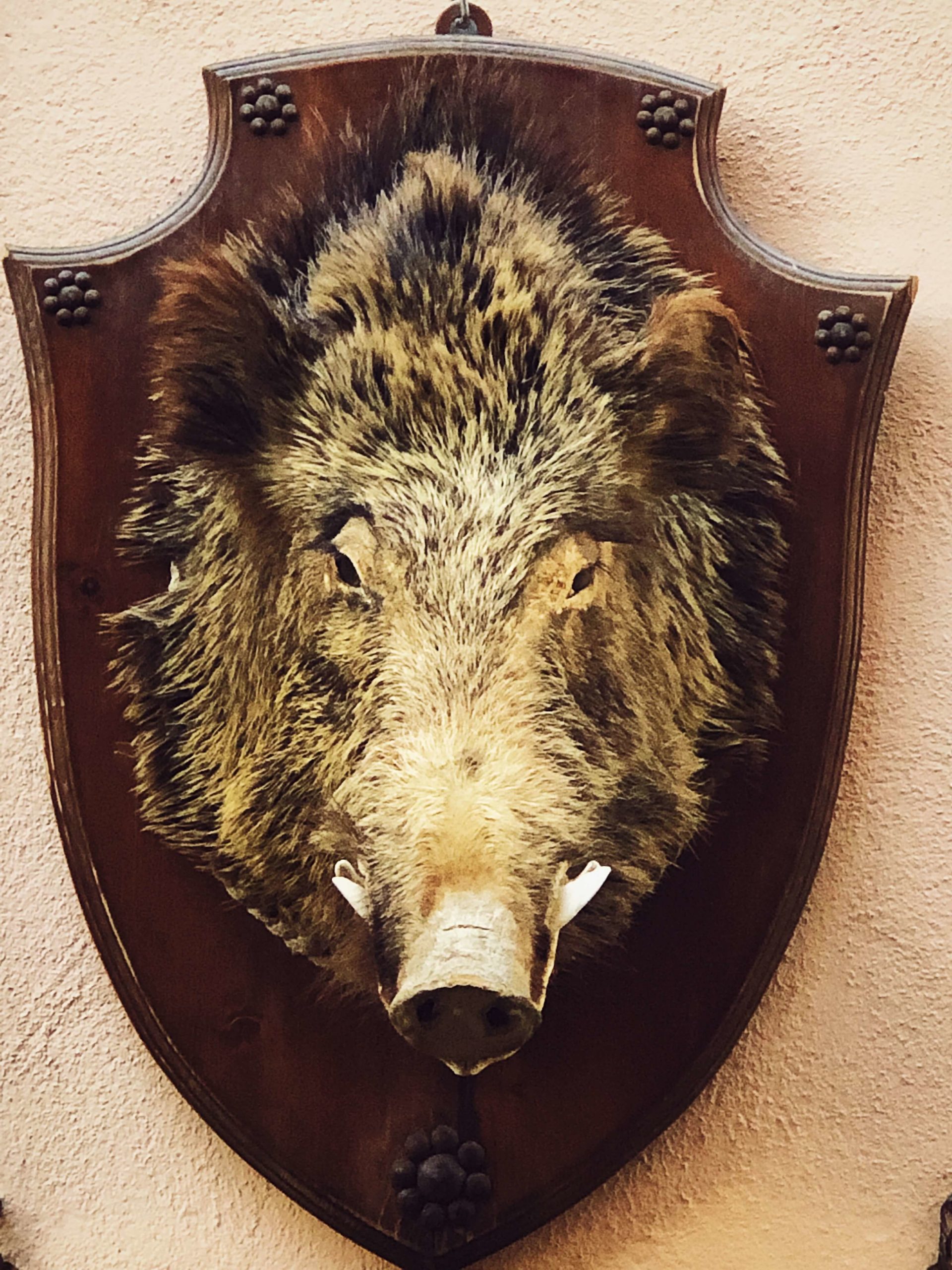
Cooking Wild Boar the Italian Way
Wild boar requires a little more work than many other meats.
Its flavour can be quite strong, particularly when the animal is older, so the meat is traditionally marinated before cooking. Wine, vinegar, lemon, and sometimes milk are used to soften its more pungent notes.
Then come the herbs and spices: juniper berries, cloves, cinnamon, rosemary, sage, and bay leaves.
Everything that smells like the woods.
While researching the Maremma, I learned a way to shorten the preparation. Sauté the meat pieces in a very hot pan, allowing them to sear while releasing some of their liquid. Discard that liquid before proceeding with the recipe, and part of the stronger aftertaste goes with it.
After that, slow and patient cooking is almost mandatory if you want the meat to become tender.
Italian Wild Boar Recipes
My experience is mostly limited to Lazio, Tuscany, and Umbria, but some of the most familiar Italian wild boar preparations include:
- pappardelle al cinghiale;
- cinghiale alla cacciatora;
- wild boar sausages;
- wild boar salami.
More recently, we tried wild boar tortellini, and I cannot wait to order them again.
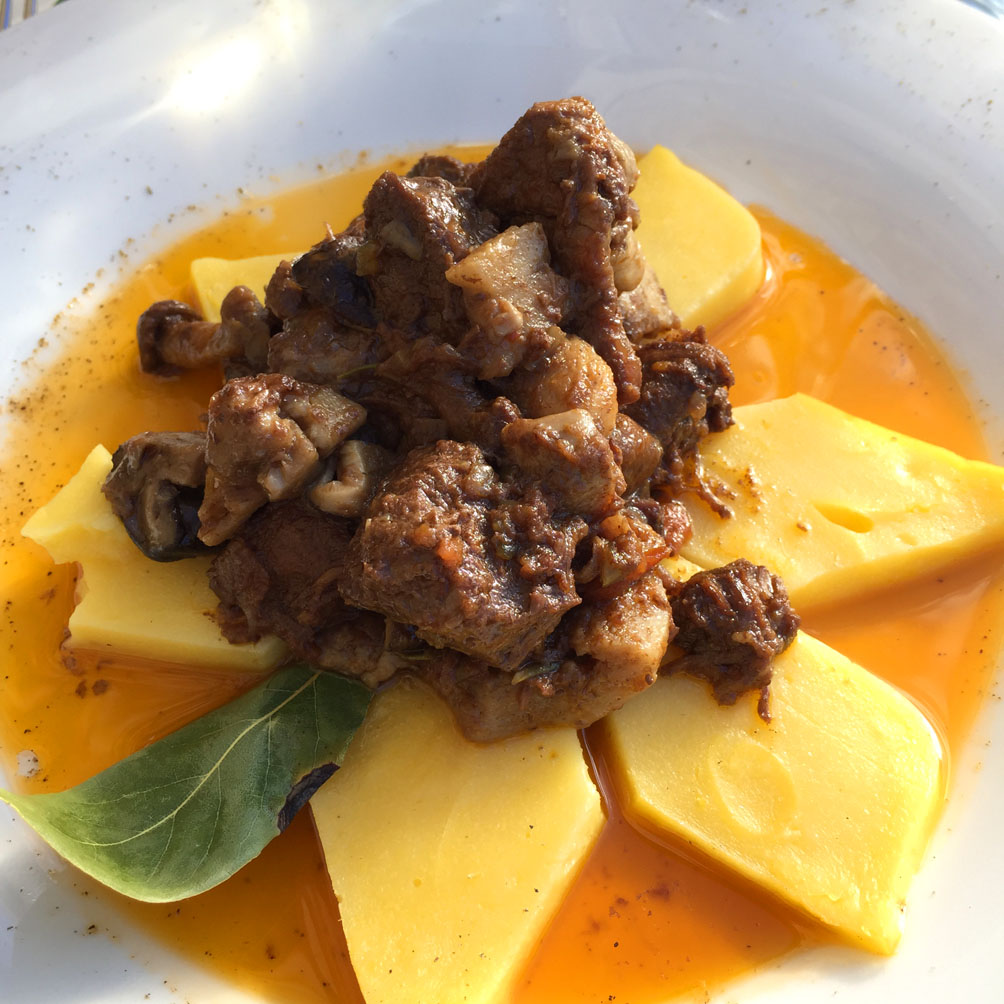
In the Maremma Simposio, you will also find my recipe for cinghiale alla Maremmana, ideally served with creamy polenta or lots—really, lots—of toasted bread.
Wild Boar Encounters in Rome
Wild boars do not belong exclusively to remote forests and the countryside.
In Rome, stories of unexpected encounters have become surprisingly common. Friends and relatives have told me about entire families of cinghiali crossing roads, wandering into gardens, or searching for food near residential areas.
My mother was once trapped inside her car, trembling while she waited for an adult boar grazing in the garden of her building to leave.
Another time, Luca and I saw a group of five searching for food outside my brother’s home.
For many Romans, the word cinghiale no longer brings to mind only a plate of pasta in Tuscany. It may also mean standing very still, watching from a safe distance, and hoping the animal decides to walk in the opposite direction.
Wild Boar Culture in the Italian Countryside
What feels extraordinary to us city people is part of ordinary life for many countryside communities.
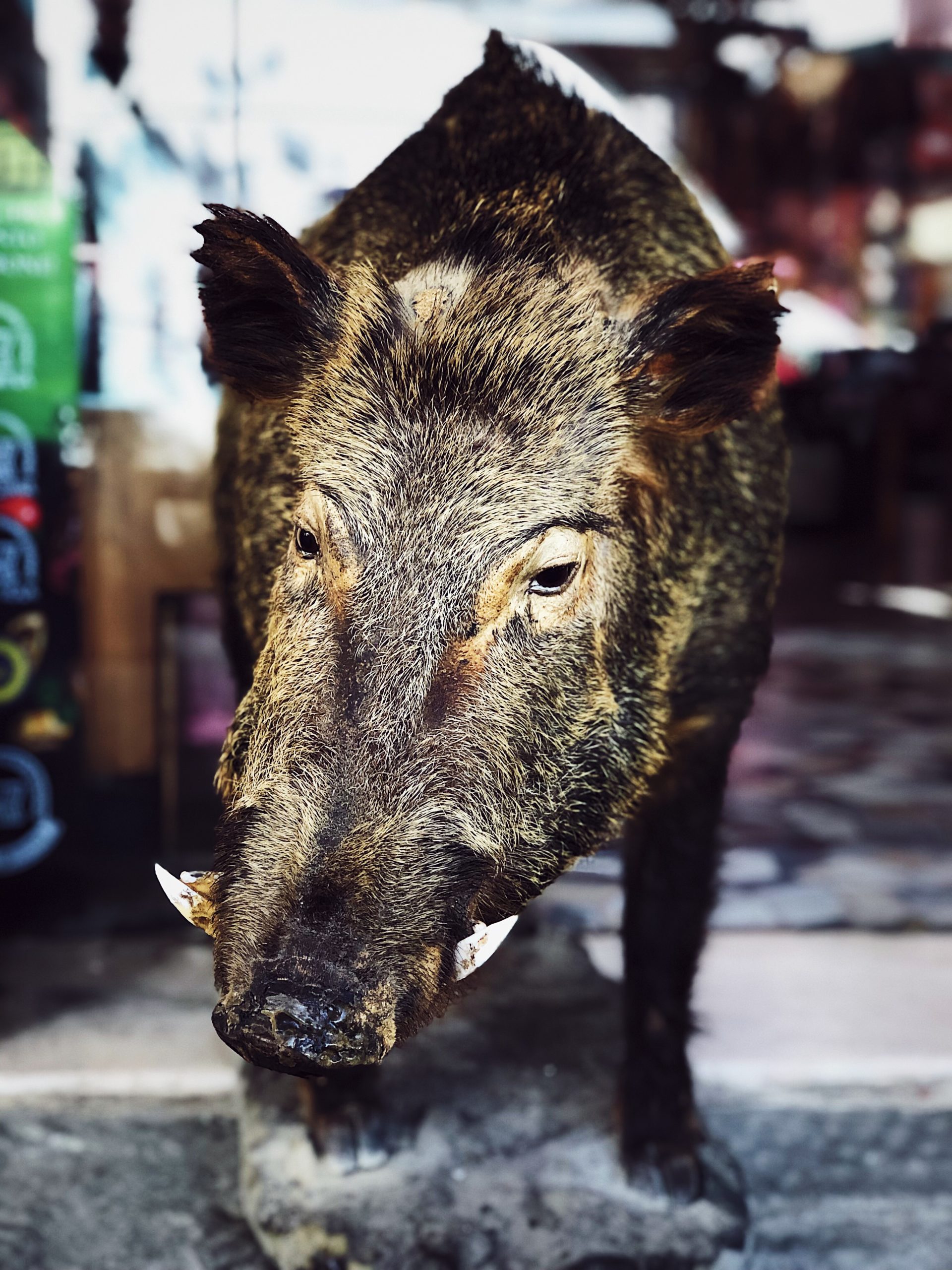
During our wanderings through the Maremma, it became evident that wild boars were present far beyond the plate.
They appeared in hunting traditions, local sayings, T-shirts, humorous references, village conversations, and sagre—the local festivals dedicated to seasonal dishes and regional products.
In places where fields, vineyards, woods, and villages exist side by side, wild boars are not simply picturesque animals or culinary ingredients. They are part of daily life, creating traditions, stories, problems, solutions, arguments, and meals.
That complexity is what makes cinghiale culture so interesting.
Before You Meet the Cinghiale
The Italy we encounter while travelling is full of things that may initially seem strange: an unfamiliar dish, a local ritual, an unexpected animal walking through a Roman neighbourhood.
Understanding these details before arriving can change the experience completely.
Through my in Inside Italian Culture online one-to-one encounters, I design a personalised cultural journey (not just for cultural travellers but also Italophiles and expats!) around places, traditions, and what you really, really like—whether that means food, rituals, everyday habits, language, or the peculiarities you might otherwise walk past without noticing.
So, cari, when are you going to devour a bowl of cinghiale alla Maremmana, served with creamy polenta or lots—really, lots—of toasted bread?
Claudia