
Risorgimento is an exciting period of Italy’s history.
It is when the country, finally, became one.
Until 1861, the peninsula was divided into statelets.
Most often, these were “colonies” of foreign empires: France, the Austrian Empire, and the Bourbon reign.
Although Italians already recognized themselves as “Italians” — in North and South America, there were aid organizations of compatriots and even periodicals addressed to them — in their homeland they were forced to carry out administrative formalities just to cross a border from one region to another. Customs duties and consequent economic disadvantages followed.
The idea of unification had been sprouting since the Renaissance. Machiavelli’s Il Principe was a treatise on what the prince who would finally unify the territory should be like. Ancient Rome remained an obvious source of inspiration: glory, power, and independence. If we had experienced it back then, why not again?
But this was the 16th century, and for quite some time, that flower would have to be watered, fertilized, and cared for.
Then something happened.
A quarantotto.
In Italian, we say “è successo un quarantotto” — “a forty-eight happened” — to describe a tremendously messy situation.
THE QUARANTOTTO: 1848
On January 12th, 1848, Sicilia revolted against Bourbon rule. The uprising forced Ferdinand II to grant the first constitution of the revolutionary wave in Italy.
The revolutionary surge spread in a matter of weeks.
Europe was embracing change, and the change meant something different for each city, region, and state that rose up. For some, it was political rights; for others, independence from foreign forces.
In one way or another, the old powers had to bend or escape; there was no turning back.
Toscana followed Sicilia, then Paris, the Regno di Sardegna (roughly Sardegna and Piemonte), Vienna, the Papal States, Budapest, Venezia, and Milano lit their torches and battled to advance along the human path toward progress and equality.
From then on, during the next three decades, Italy prepared the ground for unification and went through three wars of Independence.
Enlightened aristocrats, the new bourgeoisie made of doctors, lawyers, teachers, and a small part of educated city workers — through publications, meetings, endless debates in cafés, street propaganda, and life sacrifices — began to shape a new/old patriotic idea.
There weren’t many, considering that roughly three-quarters of the population was illiterate, but they were the ones in power.
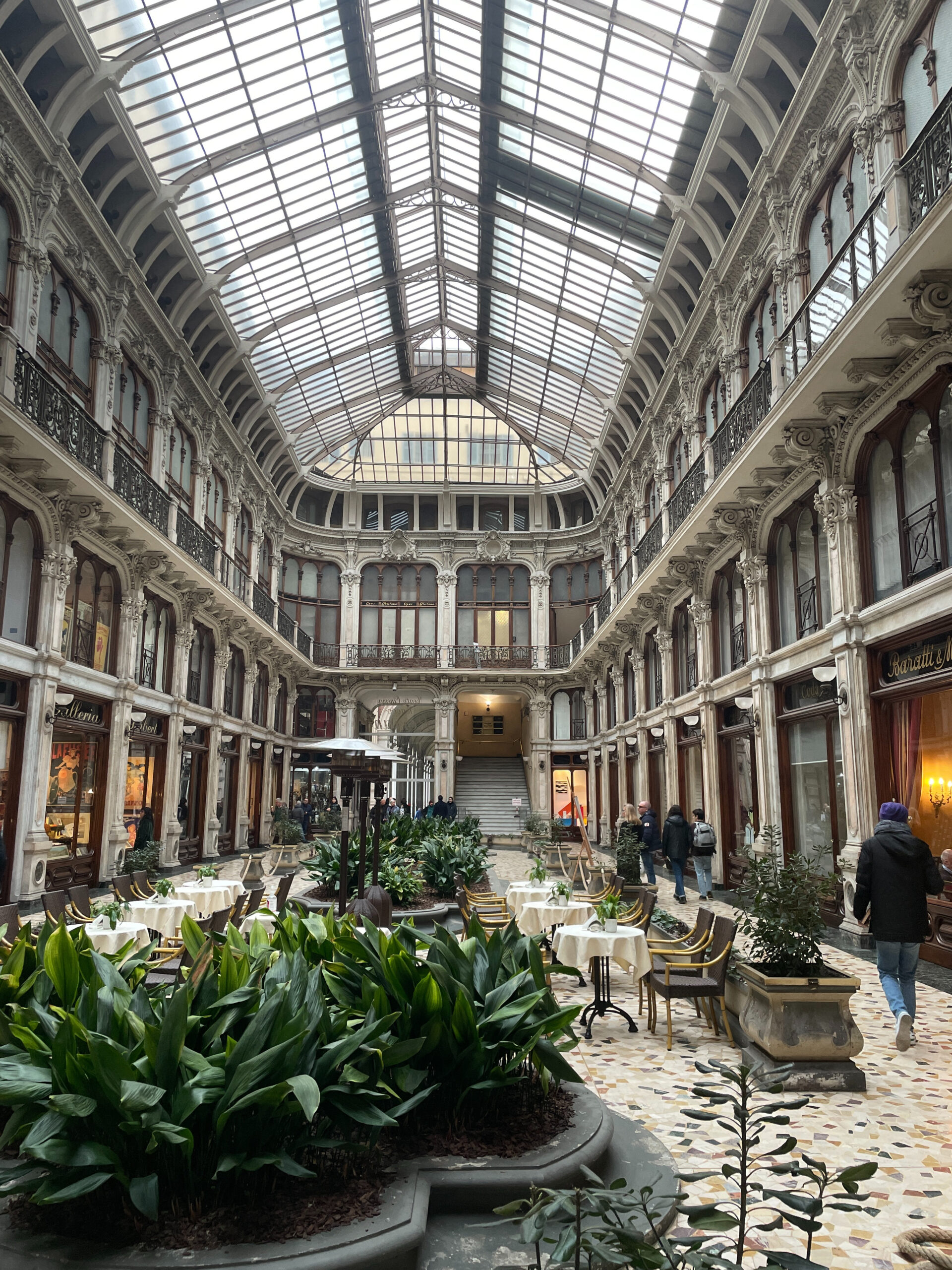
In Torino, noblemen, thinkers, professionals, artists, politicians, and the emerging bourgeoisie met over tiny tables, arguing about the future and exchanging ideas.
And, since this is Torino, there was very often something interesting in the glass as well.
If you want that part of the story, my little detour into Vermouth di Torino is here.

ART AND LITERATURE LINED UP — OR PERHAPS CONVERGED
Art and literature lined up, or perhaps converged.
Romanticism, born in England around the 1700s, was now in full bloom and had embraced many Italian artists.
Feelings were exalted, especially those inspired by nature and, soon, by patriotic ideology and heroism.
By revisiting episodes of the past, especially of the Middle Ages, the artists led a movement that aimed to rediscover the peninsula’s traditions.
Everything evoked what Italians had in common: the past, and the pride for the genius of Dante, Giotto, Cristoforo Colombo, Galileo, and so on.
The present was embodied by figures like Giuseppe Mazzini, Giuseppe Garibaldi, Camillo Benso Conte di Cavour, and Vittorio Emanuele II di Savoia, the soon-to-be first king of a — partially — unified Italy.
Many found inspiration in the greatest exponents of Italy’s Romanticism — Francesco Hayez, Giacomo Leopardi, Alessandro Manzoni, Gioachino Rossini, and Giuseppe Verdi — and threw themselves into the fields under the tricolor flag.
Even women gave their contribution, after the promise (not kept) that they would gain the right to vote.

PIETRO MICCA AND THE PATRIOTIC PAST
The Turinese Andrea Gastaldi’s painting Pietro Micca is a perfect example.
It portrays a Savoyard miner soldier who, in 1706, during the French siege of Torino, sacrificed himself by blowing up the underground tunnel that would have granted access to the city.
For the first, and probably the only time in history, the foreign press celebrated Italy’s politicians and lifted them as an example of good politics.
One of the most acclaimed men was Camillo Benso Conte di Cavour.

AND THEN, BOLLITO MISTO
I pictured all these men and women celebrating victory, and what better than a gathering around a comforting meal.
Bollito Misto sounded like the perfect dish to share.
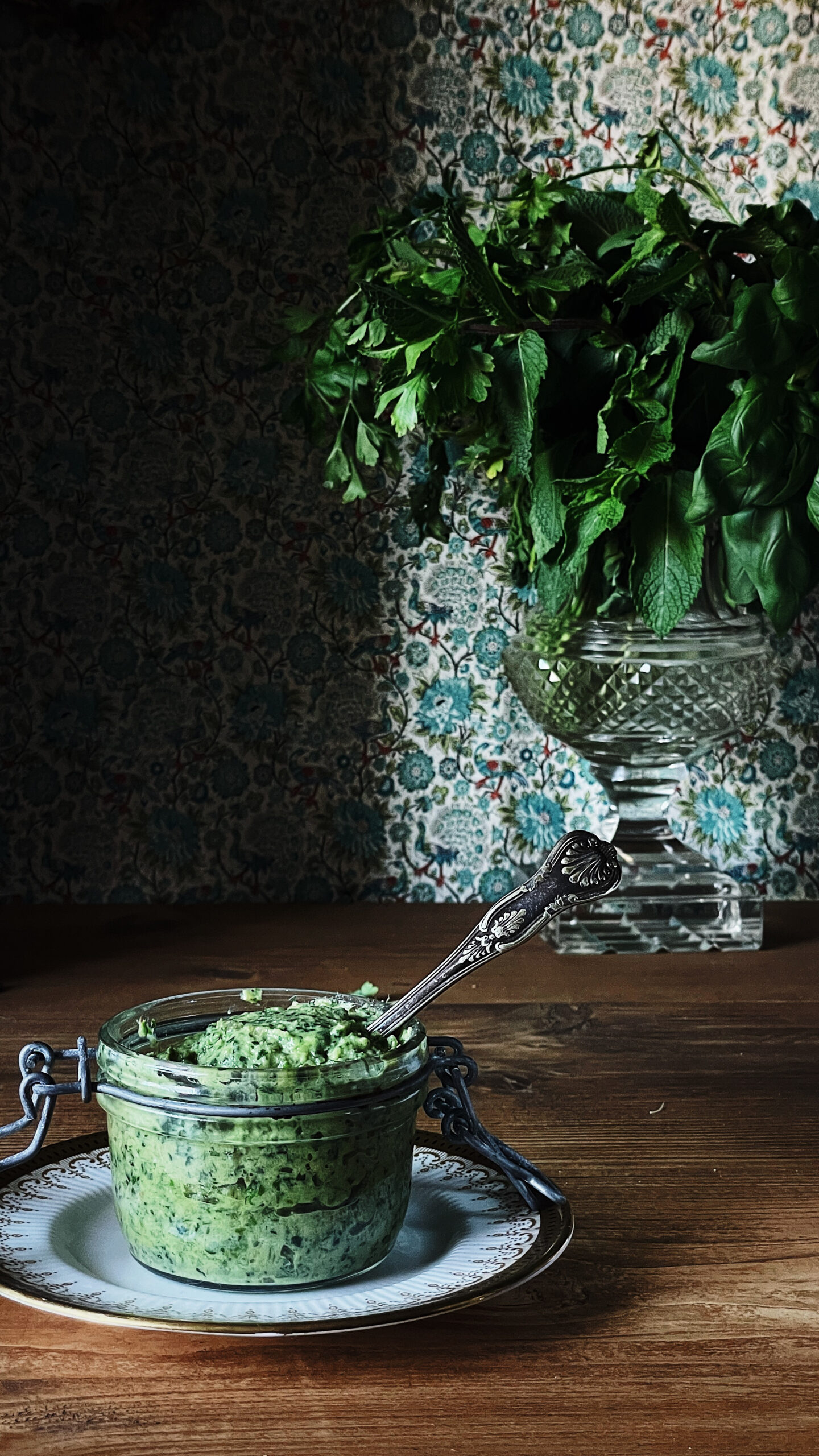
“Passami il Bagnetto Verde,”
“Passami il Bagnetto Rosso”…
By adding the Cren or the honey sauce, it would have been like having the tricolor flag on the table!
MORE TORINO, MORE RISORGIMENTO
And this is where I stop.
Because in Torino the Risorgimento does not remain confined to history books. It continues through Cavour, the cafés where ideas circulated, nineteenth-century fashion, political intrigue, food, Vermouth, and the personalities who helped shape the city and the country.
If you want to keep following those threads, you’ll find them in my Torino Simposio, together with chocolate, Vermouth, Lidia Poët, tramezzini, Futurism, magic, and plenty of food.
Take a look inside the Torino Simposio here.
Claudia