
Can a man love two women at the same time?
Or is it just an illusion—a way to justify his indolence, his attachment to immobility that prevents him from choosing?
Think of your own past loves. How many were “transition” loves—people you needed in that precise moment because they appeased a temporary hunger for affection, serenity, or even trouble? Who have you used? Or who has used you?
Eugenio Montale, Italian poet and Nobel Prize laureate, may have used a couple of women…
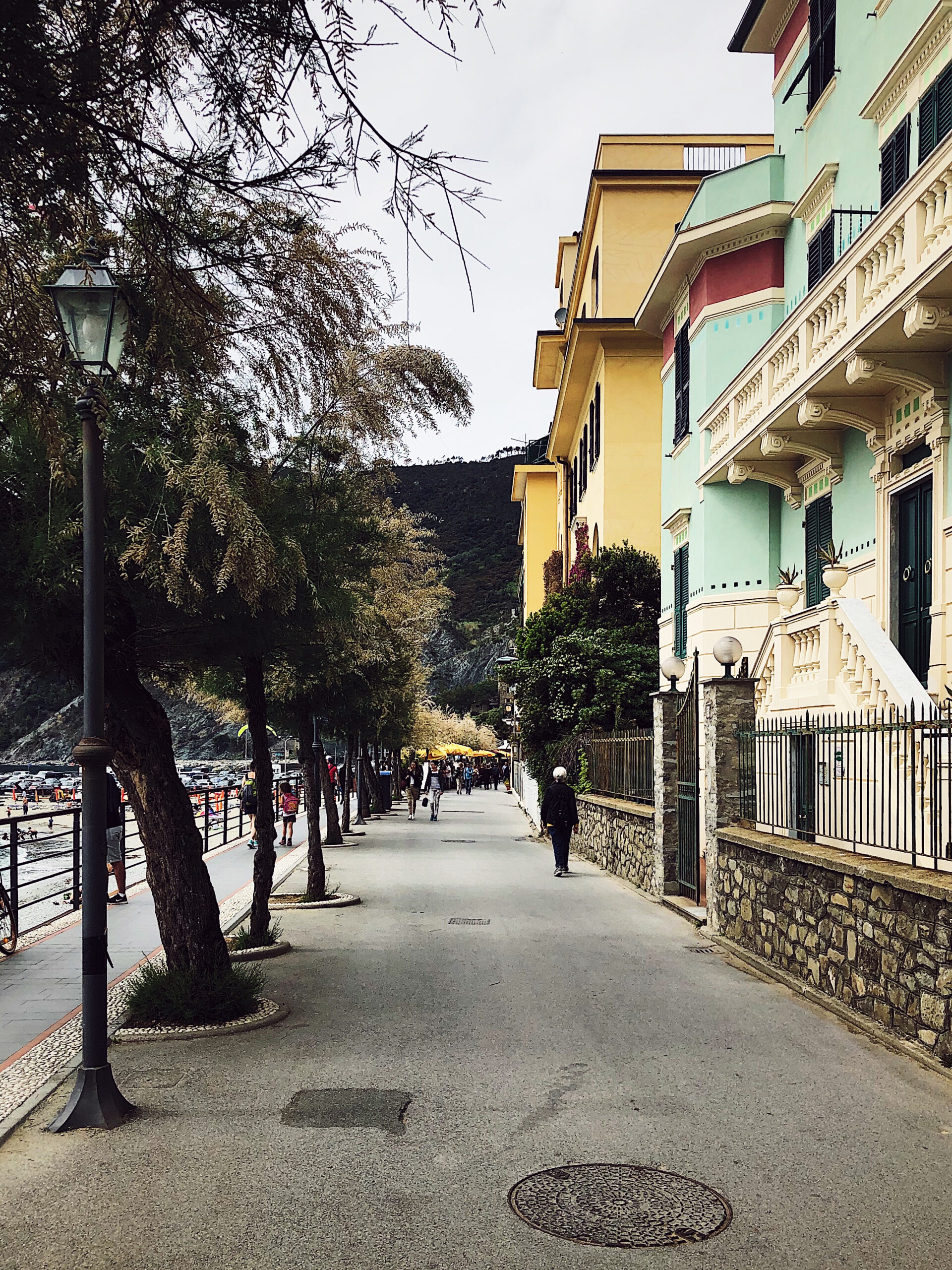
Montale in Monterosso: His First Love Letter
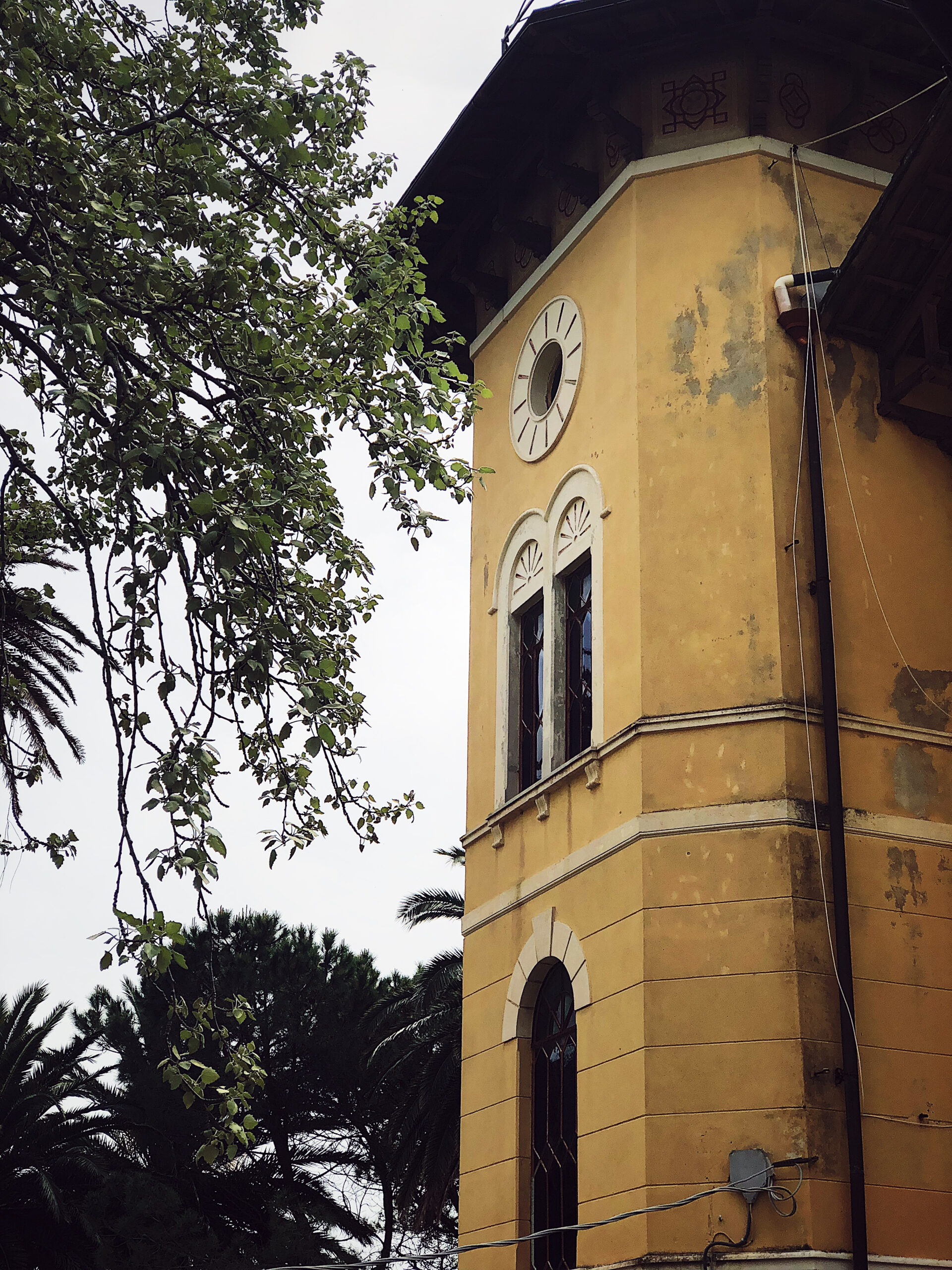
Born in Genoa in 1896, Montale spent most of his youthful summers in Monterosso, at his family’s beautiful house, nicknamed the Yellow Pagoda. That landscape inspired his first grand poetic masterpiece, Ossi di seppia (Cuttlefish Bones), probably his first love letter—not to a woman, but to the land that embraced his youthful melancholy.
As he grew older, Montale began what could be called his Latin lover career—or perhaps simply a lifelong search for muses to nourish his real love: poetry.
The more I read about his relationships, the more I wonder: did Montale ever have a deep and sincere relationship with a woman? Or were his affairs always mediated by, or sacrificed to, his art?
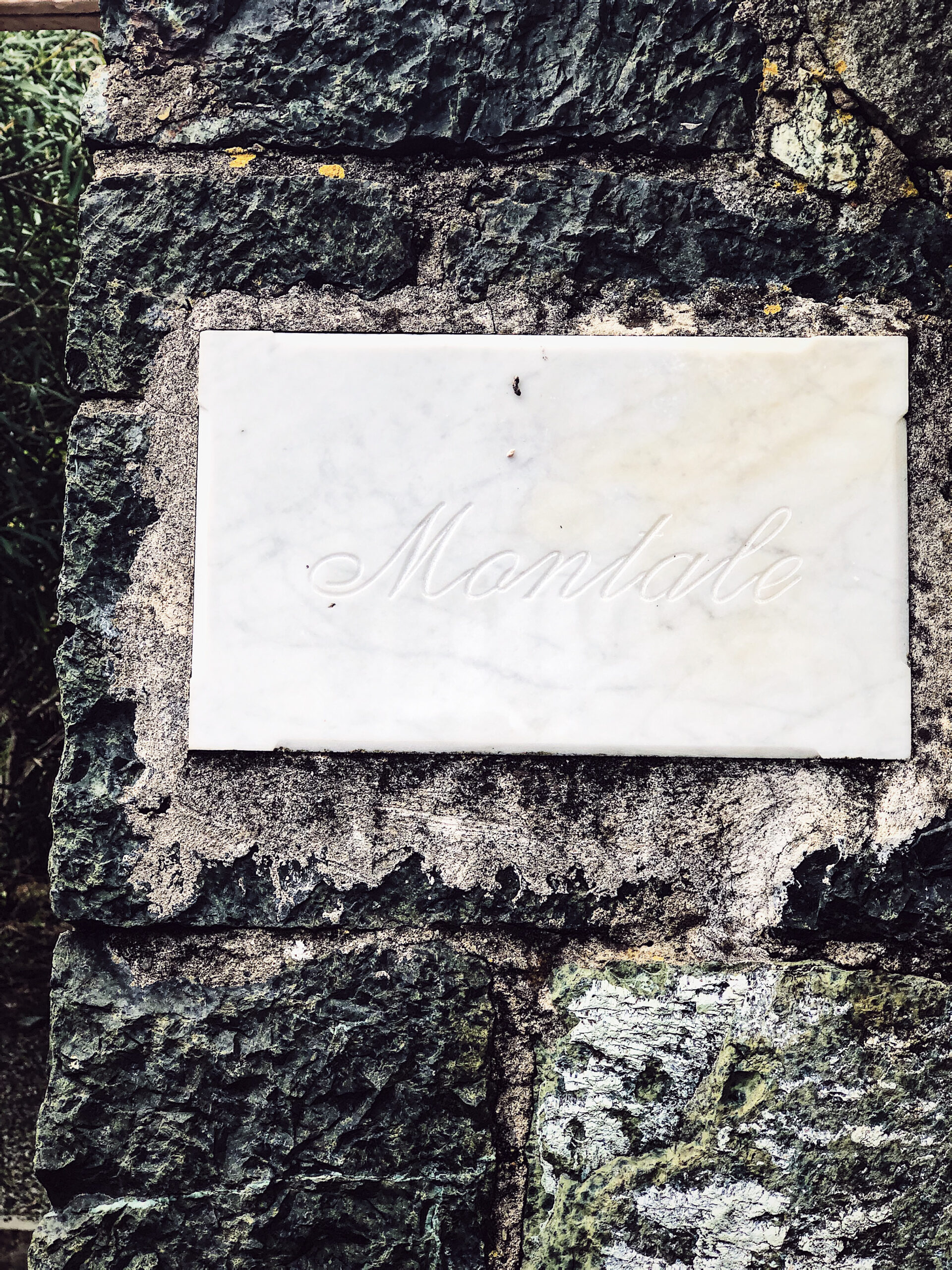
Drusilla Tanzi and Irma Brandeis: La Mosca and Clizia
He married Drusilla Tanzi, nicknamed La Mosca—“the Fly”—for her thick eyeglasses. More than ten years older than him, previously married to an art critic friend, she lived with Montale until her death.
Yet his relationship with Drusilla did not prevent him from falling in love with other women, including a colpo di fulmine—love at first sight—with Irma Brandeis, a Jewish-American literary scholar.
Irma, young and passionate, had traveled all the way to Florence, knocked on the door of the Vieusseux Library where Montale worked.
Just to meet the man whose words had bewitched her.
Passion flared, and the two met again during her subsequent visits to Italy. But fascism was tightening its grip, and Irma had to return to America—with the promise that he would soon follow, that they would begin a new life together.
He never did. According to his letters to Irma, he had twice prevented Drusilla from taking her own life. Montale stayed.
If you think this was just another fling, consider this: three months before his death, Montale sent a note to his dear Clizia—the poetic name he used for Irma—reaffirming his love and asking to see her again.
Xenia: Love, Grief, and the Muse
But if you think this means he didn’t love Drusilla, remember this too: when she died, he wrote Xenia, one of the most moving poetic sequences of the twentieth century, entirely dedicated to her.
So where does that leave us?
I think Montale loved women not as individuals, but as muses—sparks for his emotions, vessels for his art. To him, they were not equals in love, but mirrors that reflected his inner storms.
And yes, someone is going to want to stone me for saying this.

This story is part of Cinque Terre’s Simposio, where I explore the villages through their culture, stories, and recipes.
Enjoy your poetic adventures in Cinque Terre!
Claudia