
Ciao esploratori dell’Italia!
We are on the linguistic train that is taking us from Southern to Northern Italy, stepping out at each station to listen to how people talk across the peninsula.
Today we are stepping out in Florence, to explore the Florentine dialect.
As mentioned earlier, if I spend more than two days in Tuscany, I start speaking with a ridiculous Tuscan accent. Also embarrassing. I can’t do anything about it. It is contagious. It might be because, since I was very young, I spent a lot of time in Maremma, where my family spent most of the summer. But it might also depend on my deep liking for this vernacular. I consider it extremely elegant, but in an understated way, and I love that Tuscans are very direct when they speak. No frills, except for maybe some teasing or a joke. Oh, and wait. Curses.
So yes, I might have to explain myself better. The folks whose Florentine vernacular helped shape standard Italian are elegant only until they get mad. At that point, they turn into linguistic beasts. What would the most representative literary figures of the region, Dante Alighieri, Petrarca, and Boccaccio, say about them? Well, actually, Boccaccio’s novellas did have their dose of vulgarity, and not a small one.
Petrarch, Autumn, and a Moment to Read a Poem
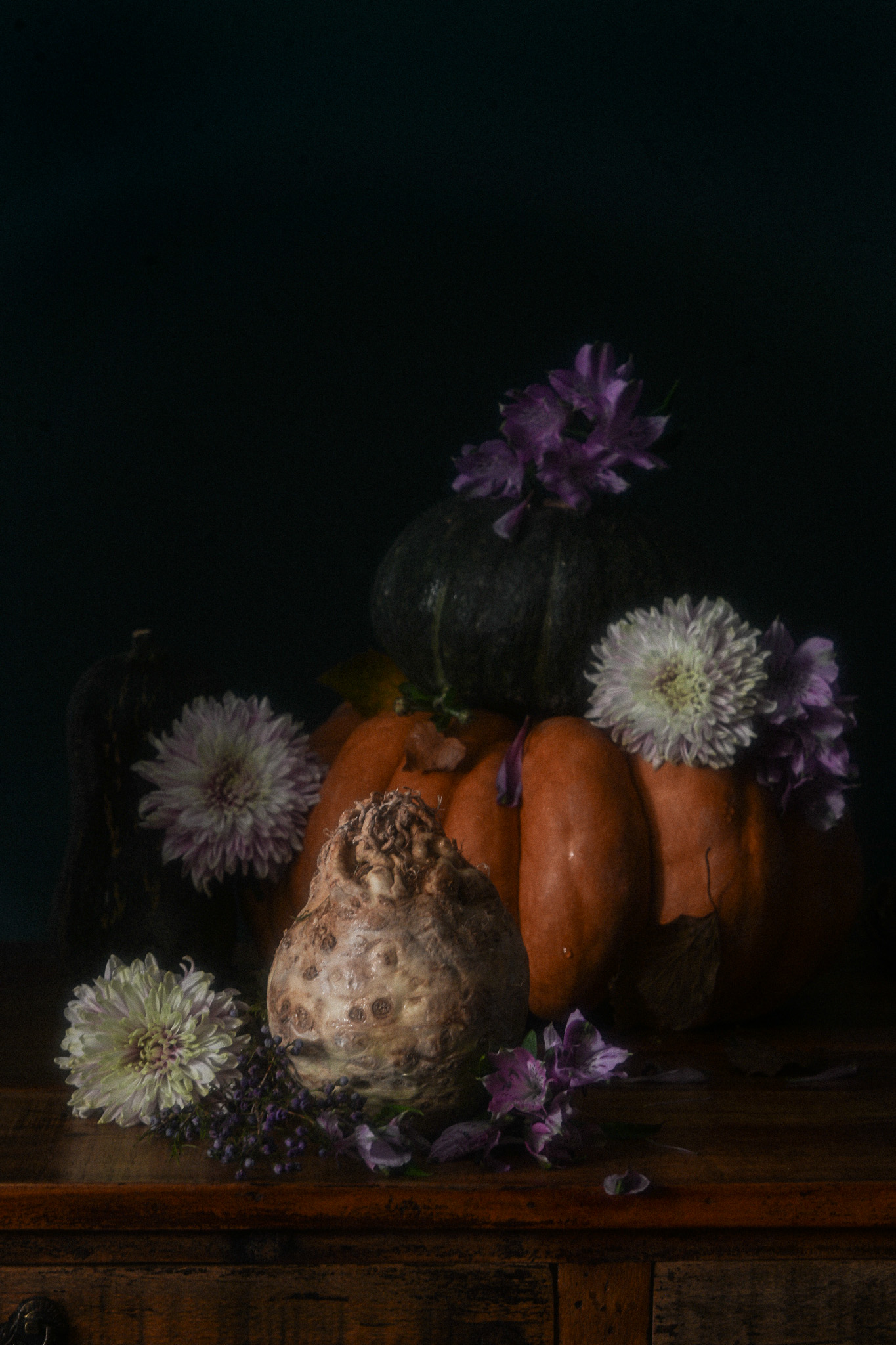
And since we are here, and because I wanted to show you my latest still life, dedicated to Fall, of course. And also to give both you and me a moment to stop and read a poem — how often does this happen? — I thought something from Petrarca would fit perfectly, given his appreciation of pastoral life and the quiet contemplation of life’s tiny rituals.
My still life is, of course, dedicated to the season, to pumpkins with a special appearance by a sedano rapa, and to the fierce but incongruous defensiveness of purists against Halloween (read more here).
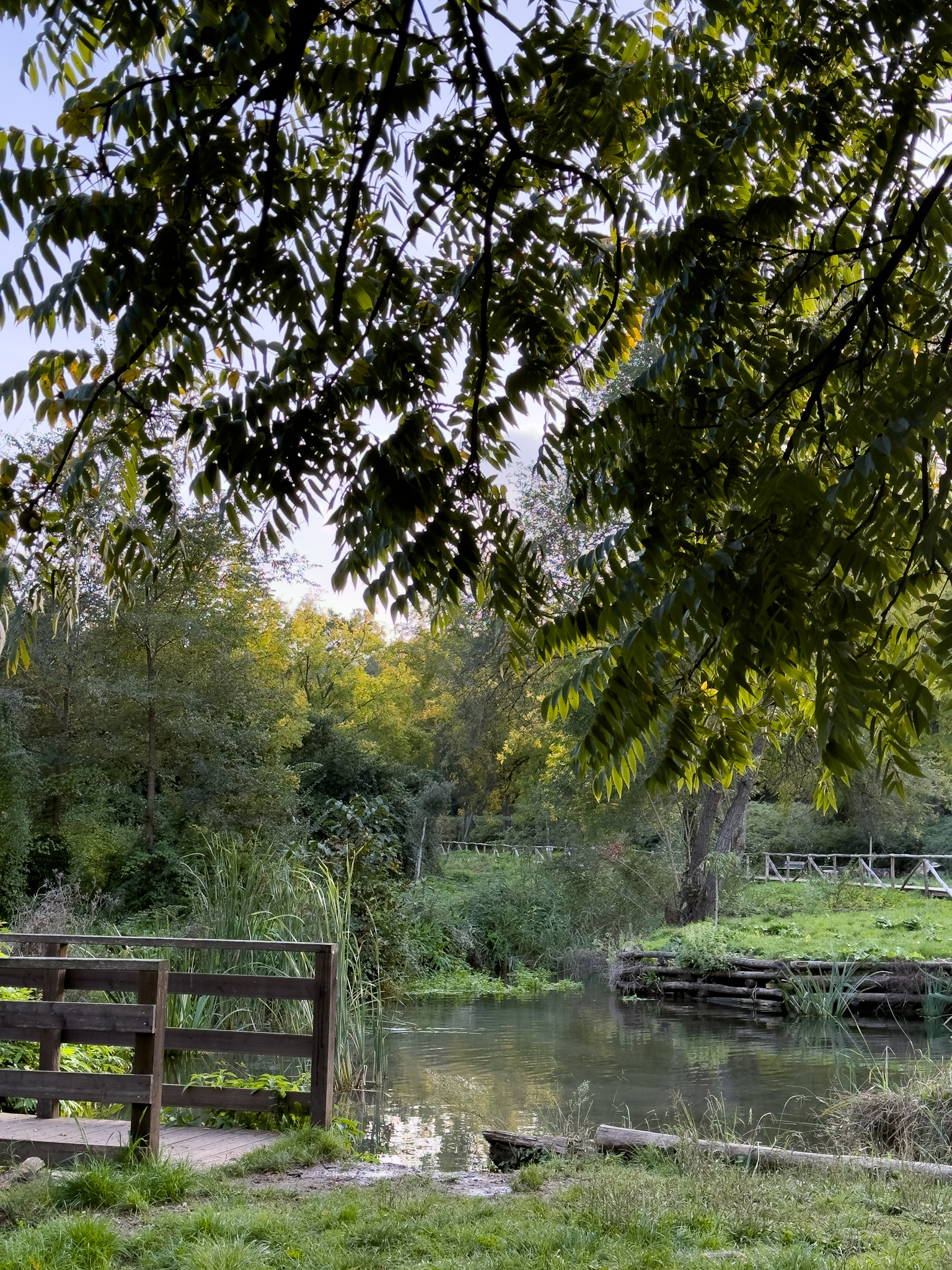
I did a little research and found the perfect verses from Petrarca. They don’t explicitly refer to Fall, but they do to me, and maybe to you too. Just try reading them on a bench under a tree with falling leaves…
Francesco Petrarca — Ne la stagion che ’l ciel rapido inchina
Canzoniere, 50 — Verses 1–24
Ne la stagion che ’l ciel rapido inchina
verso occidente, et che ’l dì nostro vola
a gente che di là forse l’aspetta,
veggendosi in lontan paese sola,
la stancha vecchiarella pellegrina
raddoppia i passi, et più et più s’affretta;
et poi così soletta
al fin di sua giornata
talora è consolata
d’alcun breve riposo, ov’ella oblia
la noia e ’l mal de la passata via.
Ma, lasso, ogni dolor che ’l dì m’adduce
cresce qualor s’invia
per partirsi da noi l’eterna luce.
Come ’l sol volge le ’nfiammate rote
per dar luogo a la notte, onde discende
dagli altissimi monti maggior l’ombra,
l’avaro zappador l’arme riprende,
et con parole et con alpestri note
ogni gravezza del suo petto sgombra;
et poi la mensa ingombra
di povere vivande,
simili a quelle ghiande,
le qua’ fuggendo tutto ’l mondo honora.
English translation (by ChatGPT, with my supervision):
At the hour when the swift heavens incline
towards the west, and our daylight flies
to people who, beyond, perhaps await it,
finding herself alone in a distant land,
the weary old pilgrim woman
quickens her steps, and hurries more and more;
and then, still all alone,
at the end of her day’s journey,
she sometimes finds consolation
in a brief rest, where she forgets
the weariness and pain of the road behind her.
But alas, every sorrow the day brings me
grows as the eternal light prepares
to depart from us.
As the sun turns its flaming wheels
to make way for night, and deeper shadows
descend from the highest mountains,
the miserly farmer gathers up his tools,
and with words and rustic mountain songs
lifts every burden from his heart;
and then he fills his table
with humble fare,
resembling those acorns
which all the world honours, yet shuns.
The Tuscan Accent and the Florentine Gorgia
And now back to Tuscanity. Sticking to the elegant part. At least for now.
The first thing that will help you identify a Tuscan is the aspirated c, particularly when it is between two vowels. So if we say buco (buko, hole) in Italian, they will most likely say buho. This is part of a phenomenon known as the gorgia toscana.
This gives the overall cadence a unique rhythm, constantly punctuated by this h sound that returns again and again. Somehow, it underlines those words, at least to the ear of someone from outside Tuscany. Strascinata (dragged), some call it, and a similar weakening affects p and t sounds as well.
La Mi’ Mamma: The Peculiarities of Tuscan Grammar
Another peculiarity lies in the construction of phrases. They kind of enrich them. For example, to say “my mother” in Italian, I’d simply say mia madre; Tuscans might say la mi’ mamma, adding an unnecessary articolo and contracting mia. Definite articles definitely colonise Tuscan dialect.
Tuscan Humor, Irony, and the Art of the Beffa
I sincerely have no idea why movies and the media have portrayed Tuscans as jolly fellows, always ready to launch a joke in the middle of a conversation. My experience, limited, of course, is of people who do use a joke or two, but mostly ironically, a way of communicating, a way of saying crude things while cleaning them up a bit.
So yes, laugh, but don’t underestimate the truth behind it.
Since I mentioned movies, I consider it fair to share with you a couple that you should absolutely watch if you’re interested in Tuscan culture and language.
Amici Miei: Florentine Humor at Its Darkest
The first one, and probably my and many others’ first approach to Tuscan, is Amici miei — it’s a saga, with three original films and a later prequel. Made in the seventies and eighties, it is about four friends who dedicate their entire existence to playing pranks on each other and those around them. From very light to extremely dark ones.
The most iconic scene, from the first movie, is them at the train station slapping all those leaning out of the train windows to wave goodbye to their loved ones.
Il Ciclone and I Laureati: Leonardo Pieraccioni’s Tuscany
A second hugely iconic mid-90s movie is Il ciclone. Leonardo Pieraccioni, actor and director, has been an emblem of Tuscan comedy for decades. Also enjoyable (I probably like it best) is I laureati.
Let’s say that the first shows life in rural Tuscany, while the second is more about city life and, now that I’m thinking of it, it kind of recalls, or was probably inspired by, Amici miei: the life of four studying friends who love to play pranks as well. The iconic scene is them gareggiando in a race to decide who pays the bill at the restaurant — and none of them coming back to actually pay!
Pinocchio and the Tuscan Words Grullerello, Bischero, and Babbo
And now, let’s all go back to childhood for a minute. Did you know Pinocchio was Tuscan? Carlo Collodi was from Florence, and his writing was clearly influenced by his origins.
You’ll find them in words like grullerello, close in meaning to the equally Tuscan bischero. Or babbo, father, especially associated with Tuscany, while most of us use papà.
Bucaiolo: One Last Florentine Word
I’m not ending with a bad word because this isn’t the last Tuscan thing I have to say!
Bucaiolo.
I already told you what buco, or better buho, means. Let’s say a bucaiolo is someone who has something to do with holes.
A Little Florentine Music: Irene Grandi
I’ll end with a song from a Florentine cantautrice, Irene Grandi. A very sweet song, to accompany your Sunday evening, perhaps with a glass of Montepulciano at hand. A few sips might help you loosen up and detect the (really tiny) traces of her Tuscanity.
Dolcissimo amore
That’s it for today, bischerini miei.
Claudia
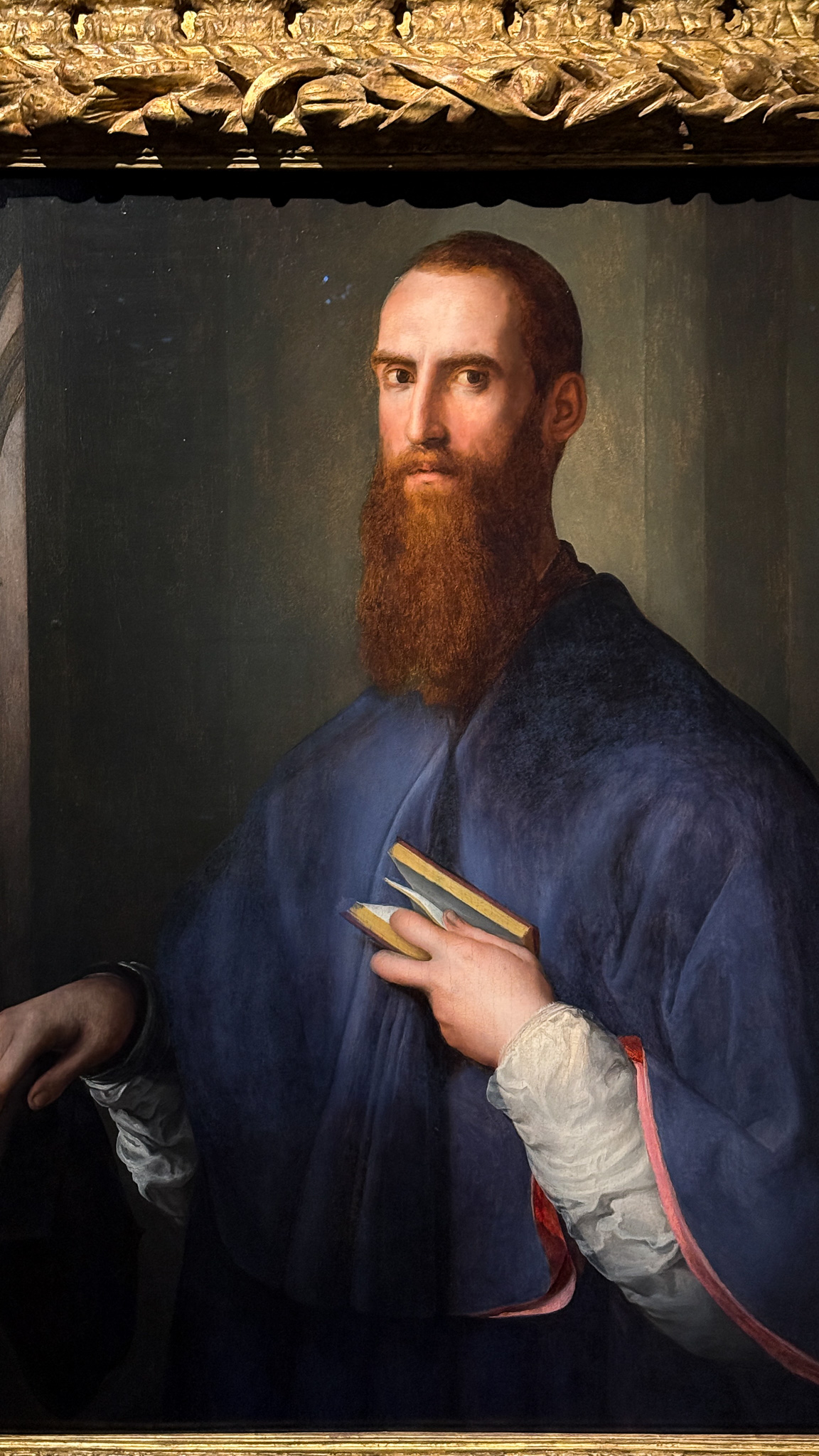
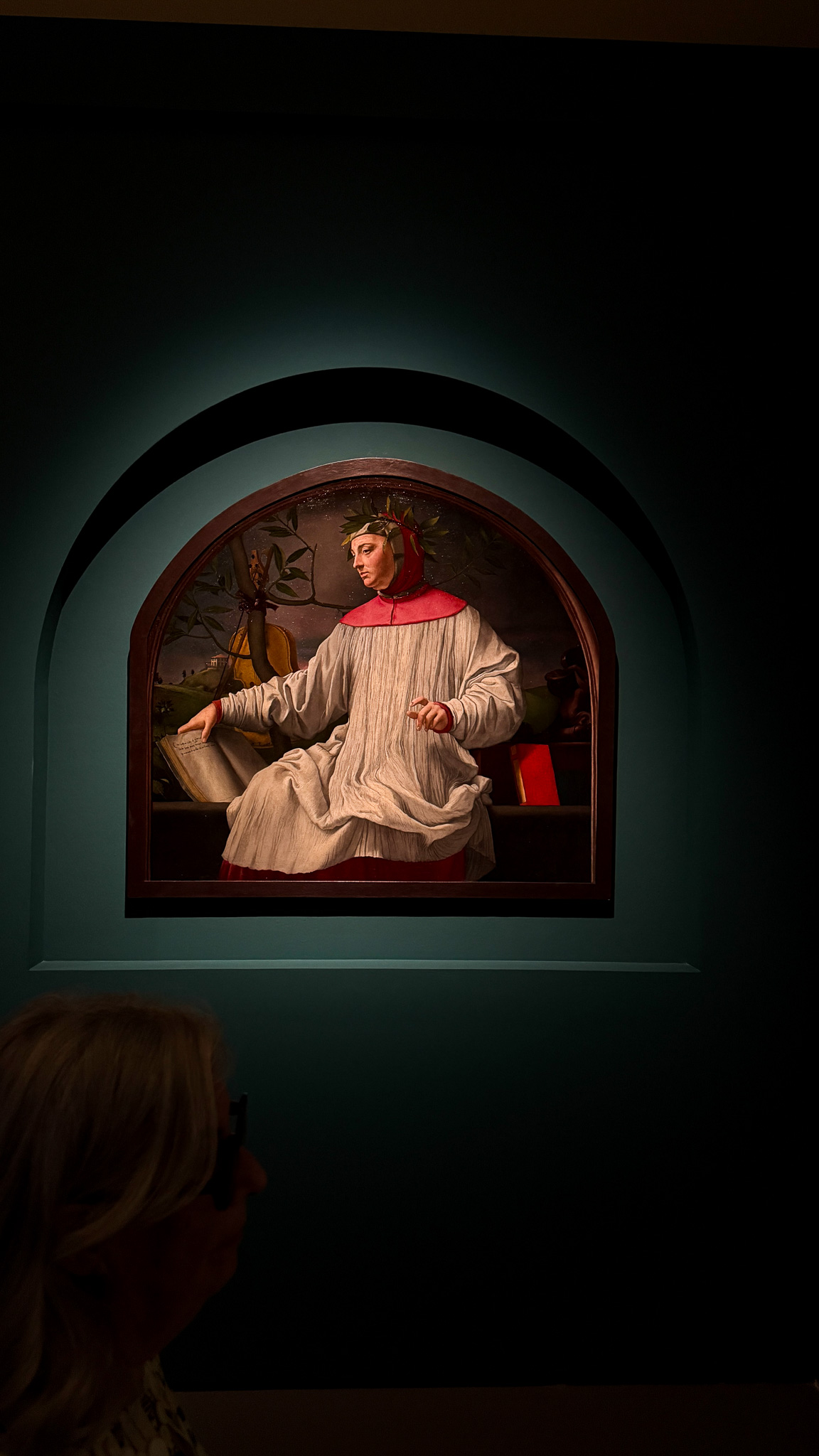
P.S. One Last Tuscan Hue: Pontormo
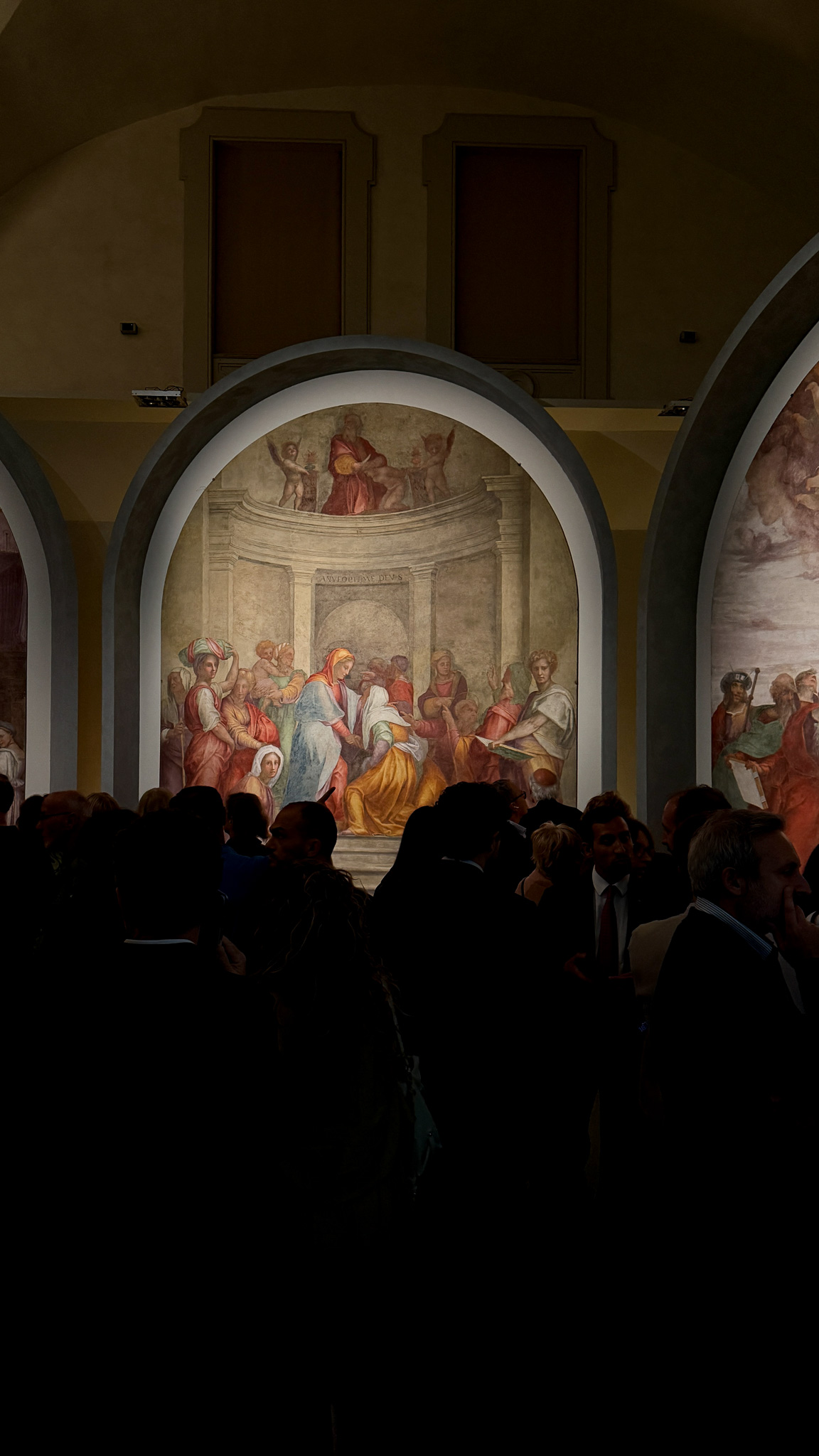
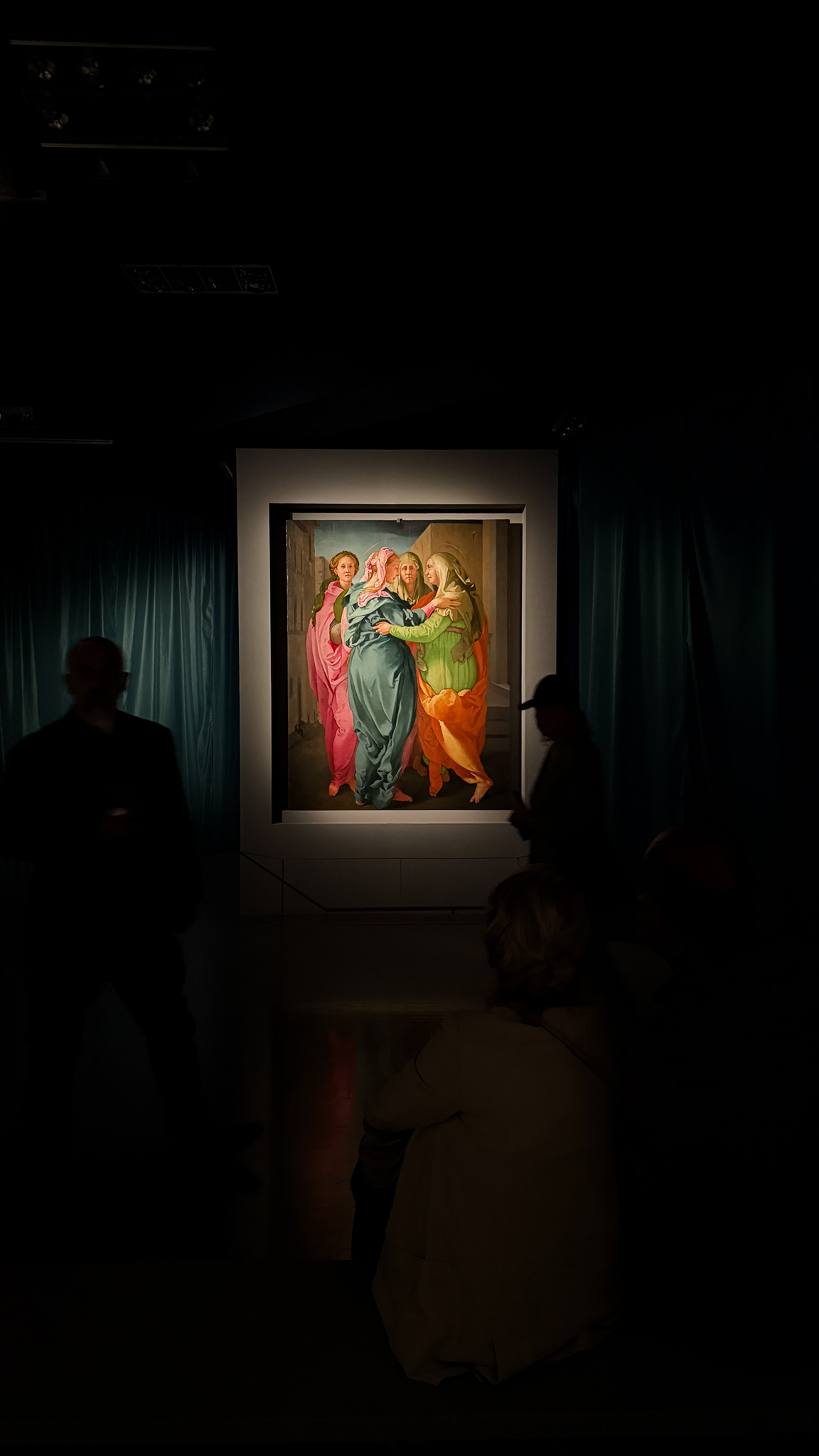
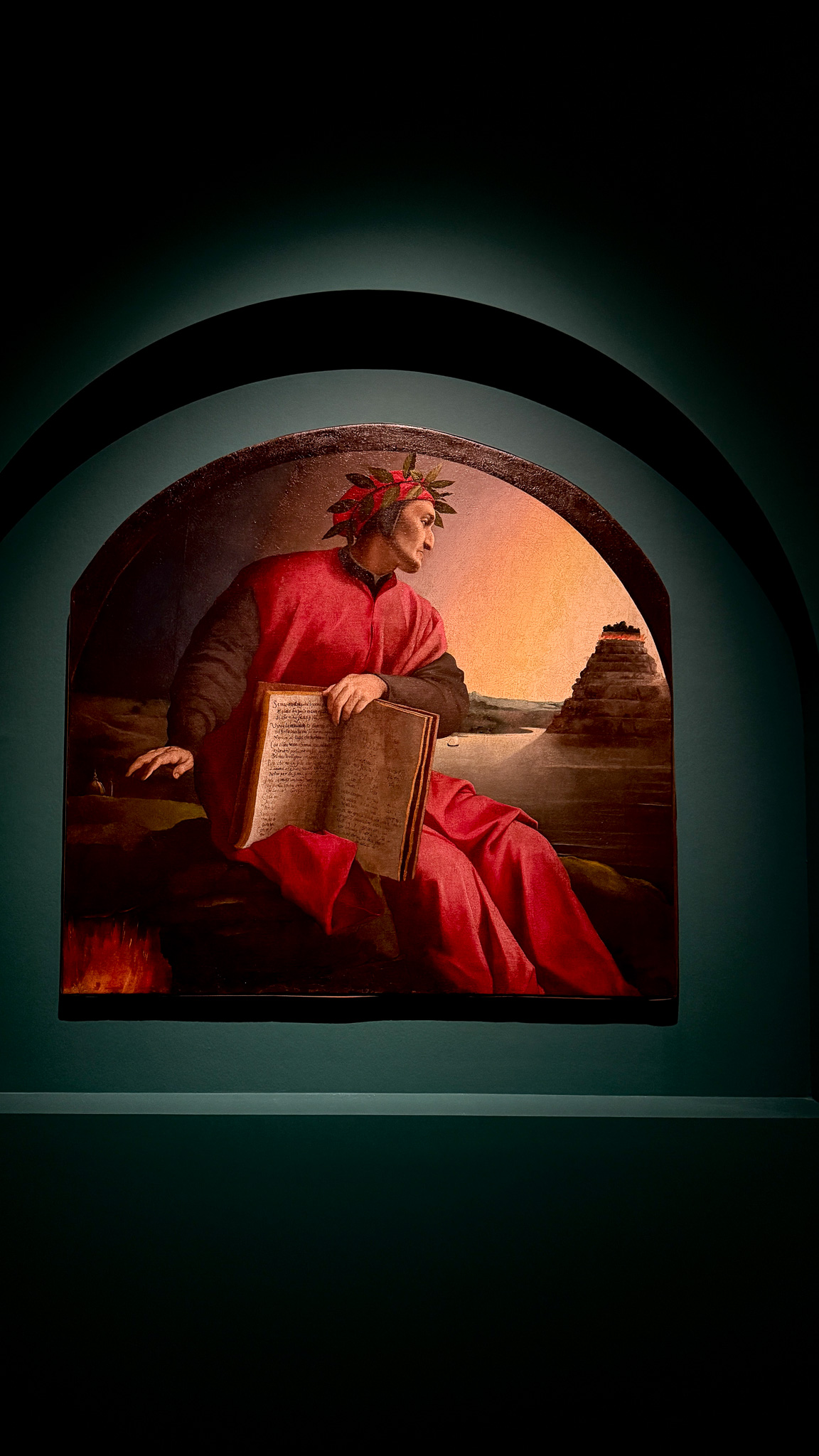
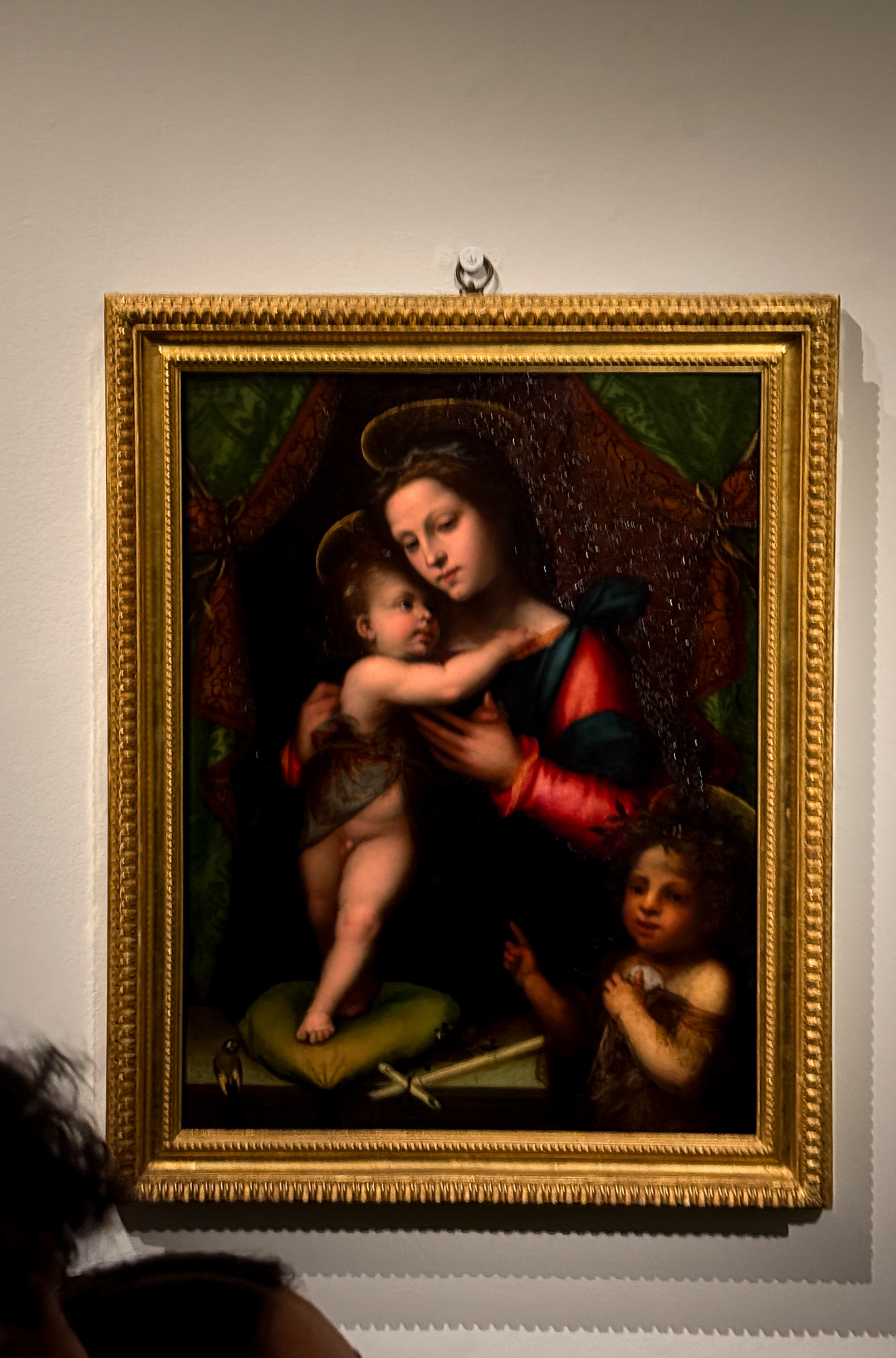
How appropriate that, while preparing this piece, I visited the absolutely stunning Pontormo exhibition at the Scuderie del Quirinale. One of the great masters of Florentine Mannerism and color, and, well, I’ve shared my favorite paintings with you throughout this article. Just to give you another tiny Tuscan hue.