
Adapted from the introduction and The New Renaissance in my Florence Simposio.
Ciao,
Welcome to Florence, a city that needs no introduction, just a little framing to contain the endless beauty, history, and food it has given birth to.
My frame will be the Renaissance. Rich, beguiling, unforgettable Renaissance.
Rinascere
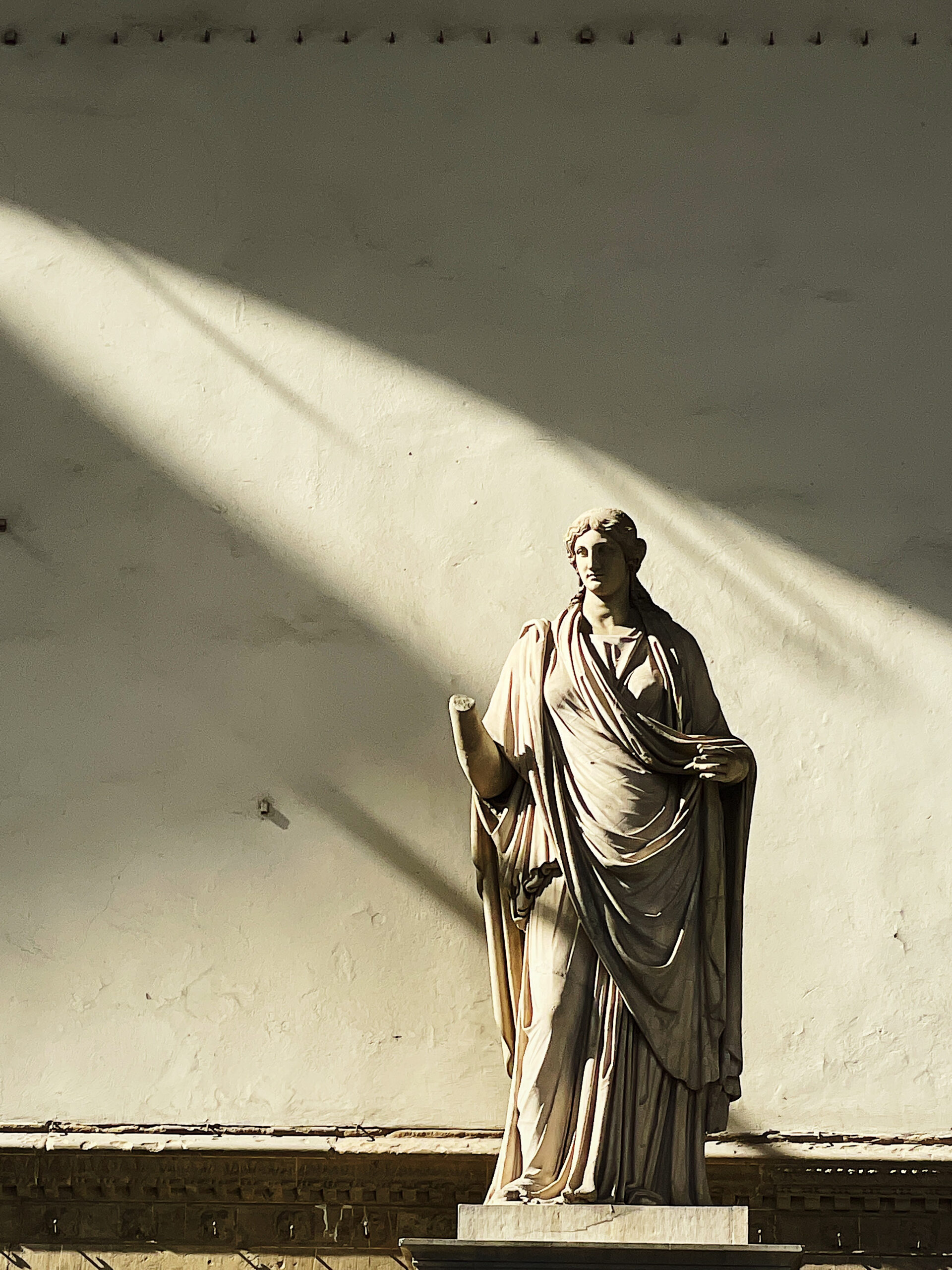
Renaissance, what a beautiful word. In Italian, Rinascimento comes from rinascere, to be reborn. It describes what comes after our own dark ages of ignorance, indifference, stillness, lukewarm feelings, and resignation.
Cyclicity is a lesson we must learn from Nature and history. Just as humankind has gone through phases, so do we in the arc of our existence.
Retreating after a traumatic experience is a way to survive. When we stop and nest, we heal. But after putting our emotions, our brain, and our social lives to rest, we must find our way out.
Humanism in Renaissance Florence
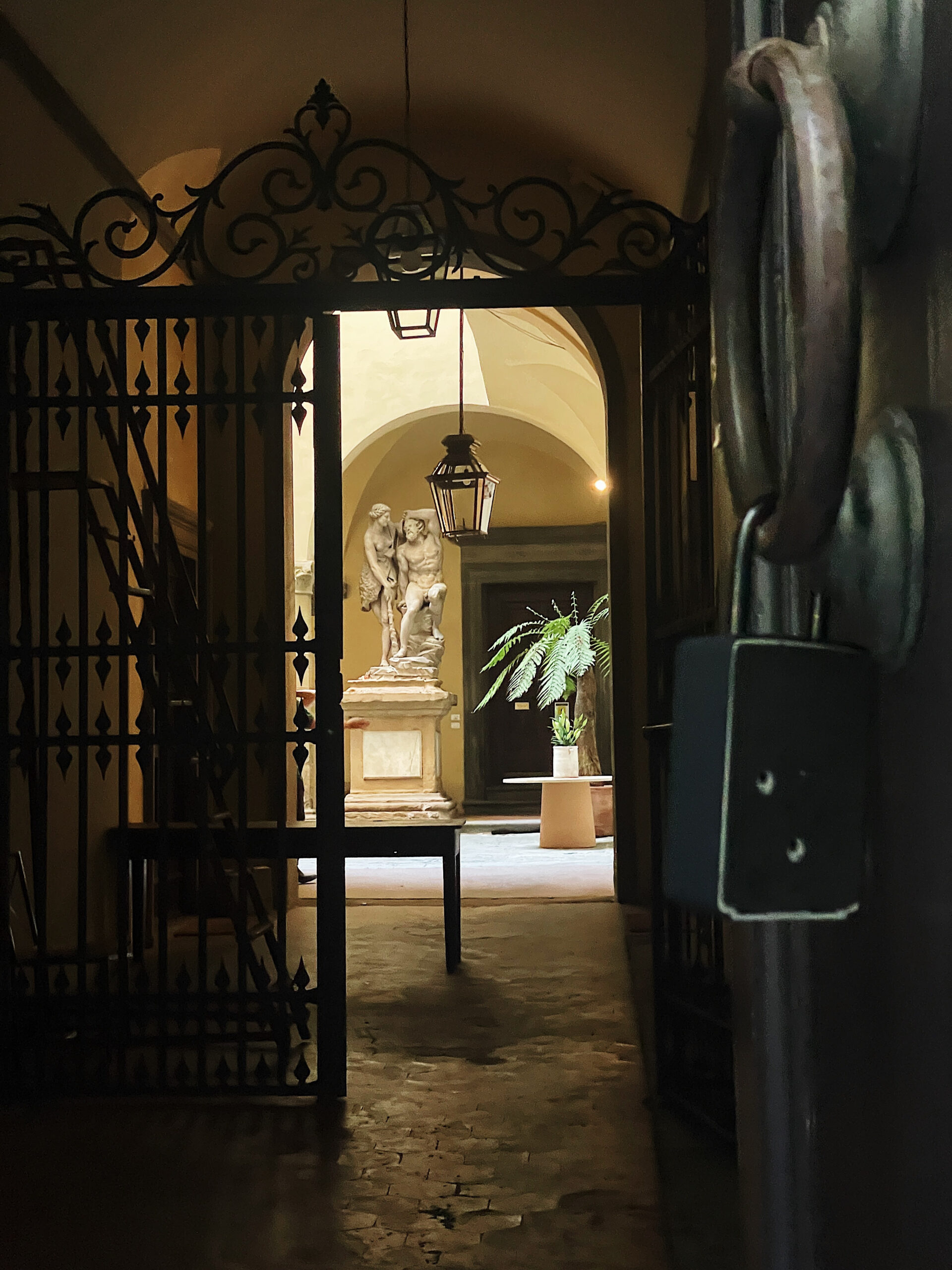
The Renaissance was a time of great optimism. Rediscovering the classics of ancient Greece and Rome and the divinities that were more human than ethereal — and, still, glorious — liberated those lucky enough to access the reemerging culture.
Exploring inner life became a new adventure. There was room to ask how much of one’s own existence one could shape, even under the will of God or Fate. Renaissance scholars could embrace what, in modern times, some would dare call psychology.
Humanism meant giving man center stage and responsibility for his existence. An old maxim attributed to the Roman statesman Appius Claudius Caecus expresses that freedom. Faber est suae quisque fortunae. Man is the architect of his own fate.
The Renaissance Scholar
In his account of Florence around 1338, Giovanni Villani puts the number of boys and girls learning to read at eight to ten thousand. He also records six schools for arithmetic and four for grammar and logic.
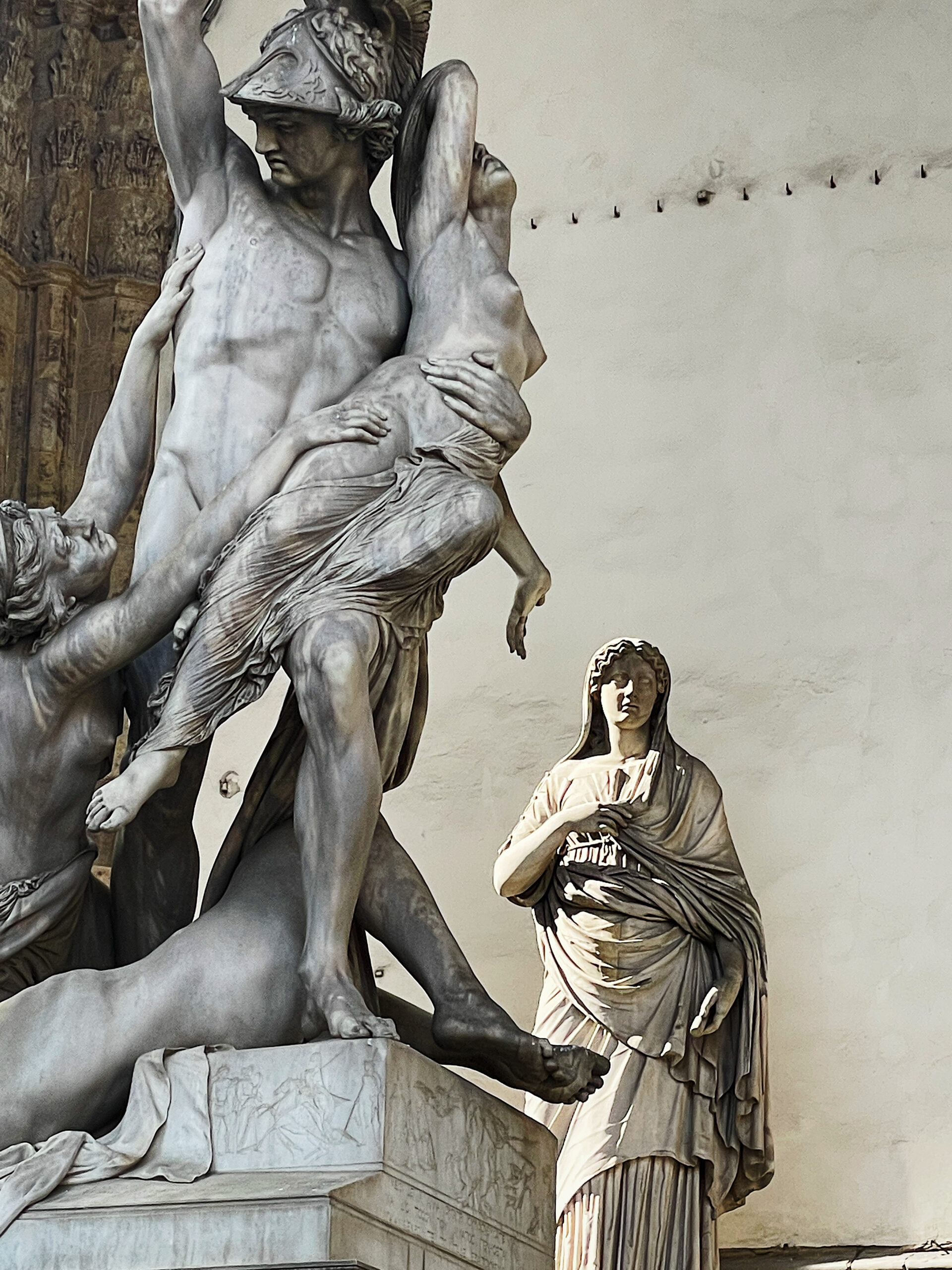
A Renaissance man — or woman — was, first of all, a scholar. An eclectic researcher of many subjects, from languages and philosophy to science, literature, and art. Intellectual hunger pushed them beyond basic knowledge. Despite suffering and fatigue, they pursued learning before anything else. They sought to know the rules concealed in Nature, daring to confront the world of magic and intuition to discover whether, beneath what was said and done, lay another truth.
No surprise that alchemy and astrology held such fascination. There were tarot games, too, like the Florentine minchiate.
The corporeal dimension had its place. Games of strength and skill captivated the young as well as the elderly.
Clothes, perfumes, houses, gardens, food, music, and dancing were mundane pleasures one could enjoy without shame. They offered a way to illumination. Beauty, in all its forms, led toward spiritual ascension. Writing and declaiming a poem, composing a melody, painting, and sculpting were expressions of the divinity waiting inside to be released and assume its prophesied form.
A gathering of cultured men called for dialectics and the exchange of opinions. With the rise of the bourgeoisie, competition could be seen as a force that moved society forward.
Feelings, even the most shameful, could be liberated and even celebrated. Love was central. Friendship was indispensable.
In his Oration on the Dignity of Man, Pico della Mirandola, a nobleman and philosopher close to Lorenzo il Magnifico, imagined that a human being could descend to the life of beasts or be reborn into a divine life.
Reach heaven like an angel, dig the ground like a beast. Contrasts were, finally, admitted.
My Florentine Inferno
But forget any do-goodism. Forget any idealization. We are cooks, and cooks are earthbound. We handle dirt-covered vegetables. We cut bloody pieces of meat and know where they come from. We use heat and cold, salt and sugar, and acid. We know there’s good and bad in everything and everyone. We don’t need sweeteners to understand how the food chain and the world we live in work. We don’t need sanctification — not of ingredients, not of recipes, not of human beings.
We welcome the truth. Be it a burned cake or the wrong amount of salt. Mistakes and flaws are part of our daily life. As are our instincts. There’s not much left to do but accept them, like we do when throwing away the inedible stone-hard bread or eating the salty soup, laughing at our prodigality.
If sin wasn’t the only label for untamable feelings, sensations, and behaviors, perhaps humankind wasn’t destined for eternal atonement. Possibly, suffering was just one of the hues of a broader palette of vibes. Maybe freedom was the canvas to paint on.
My warmest suggestion for approaching my yFlorentine Simposio (culture book, cookbook, experience!) is to consider yourself that white canvas, ready to welcome new stories, new flavors, and new sensations — free, for once, to descend into the underworld of what we are told is wrong. Character flaws, weaknesses, and mistakes are still, nowadays, identified with sins. What if, on the contrary, they are the nourishment of our unique personalities? What if we need them to grow, to evolve, to make something great out of our existence?
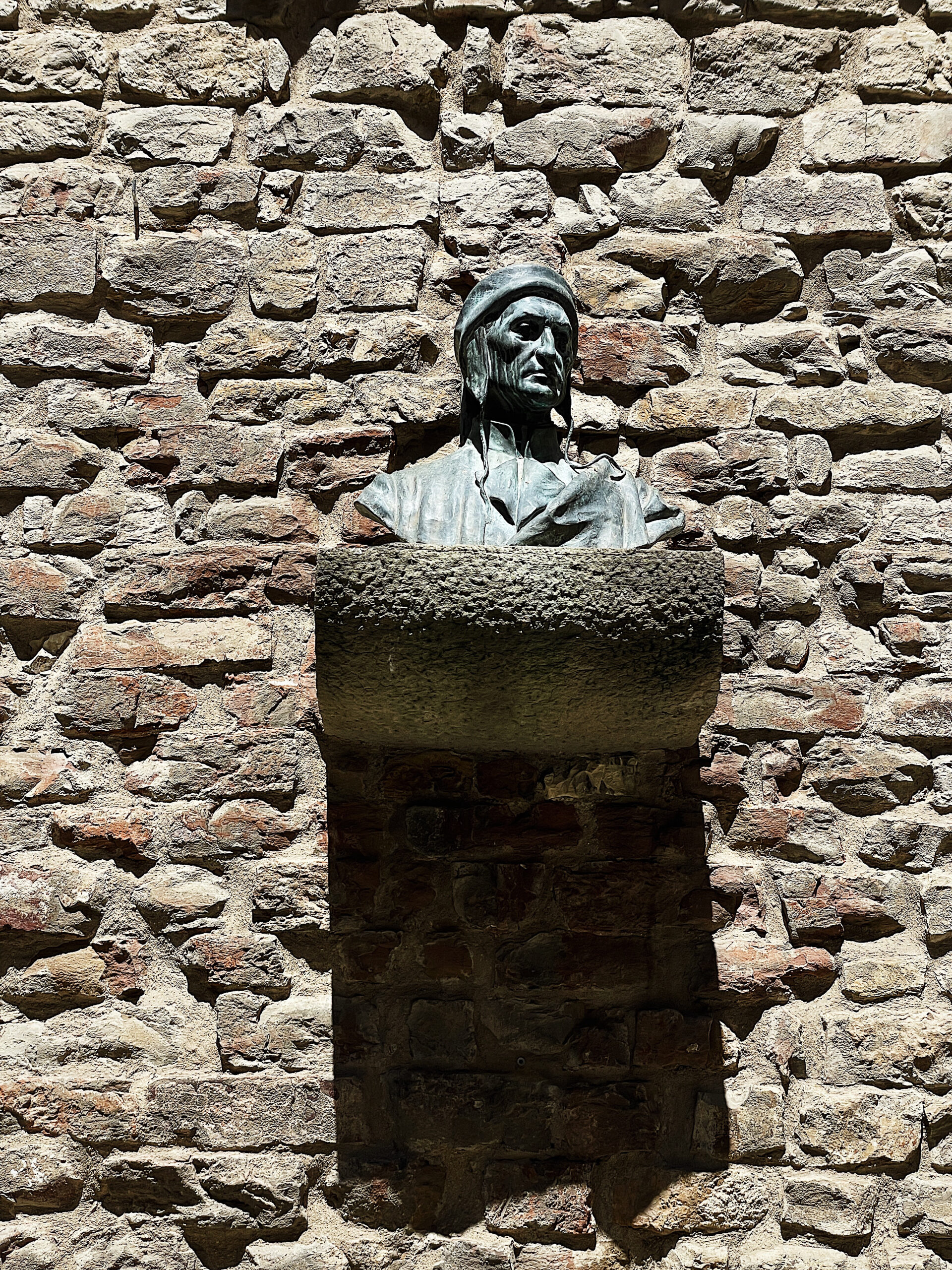
Leonardo da Vinci will guide us through my anachronistic version of Dante’s Inferno, where, guilty of arrogance, I placed my favorite Florentines and their stories. Followed by recipes to celebrate them — and their unapologetic sins — via chopping, whisking, sautéing, baking, and slow cooking.
Get ready to meet lusty Filippo, gluttonous Caterina, greedy Filippo, angry Michelangelo, heretic Girolamo, charmer Lorenzo, and traitor Sandro.
After Caterina de’ Medici, carabaccia and papero alla melarancia. After Filippo Brunelleschi, peposo.
The New Renaissance
Here in Italy, and in many other parts of the world, we are facing a New Renaissance. I am convinced beyond all doubt. But of course, it all depends on where you look and what you take into consideration.
Art has permeated our existence. Be it photography, cinema, music, cooking, or literature, we have an infinite range of possibilities. Patronage has taken new forms in the digital era. Sports and physical challenges dominate our everyday life.
Spirituality and meditation bring answers — and unusual responses — to questions posed long ago. Feelings and medicine have found common ground. We examine our emotions through therapy and self-appraisal.
The versatility gained by working together across disciplines has helped people succeed in science, business, and art. Open-minded people welcome diversity, appreciate it, and let it enrich them.
There’s a lot of bad stuff going on, of course, as there was during the Renaissance. But our Maestri chose to go on just the same. They sturdily walked the path toward excellence. They struggled to give their existence a higher meaning, to change the world around them — probably not even aware that they were shaping the world’s future.
It is our turn now.
Let’s be artists. Let’s be eclectic scholars. Let’s challenge our certainties. Let’s patronize the arts. Let’s dance. Let’s dress up, put on perfume, and do our hair. Let’s go to the theater. Let’s be extravagant. Let’s listen to Mother Nature and to our nature. Let’s cry and laugh. Let’s cook delicious food. Let’s challenge our friends and family to philosophical disputes or game nights.
Let’s be reborn as worthy Renaissance men and women!
Benvenuti a Firenze.
Claudia