
“Perché perché la domenica mi lasci sempre sola… per andare a vedere la partita… di pallone… perché perché… una volta non ci porti pure me?”
“Why, why, do you always leave me alone on Sundays… to go and watch the football match… why, why… why don’t you take me with you for once?”
Things have changed in Italian football culture since the sixties, when Rita Pavone first sang this song. But perhaps not that much.
In Italy, football is not merely a sport. It is a weekly ritual, a conversational language, a source of belonging and, occasionally, a third presence in a marriage.
For many Italians, calcio is a hobby, a passion and one of the main subjects of everyday conversation. They wake up in the morning and read La Gazzetta dello Sport or Il Corriere dello Sport, on paper or online, to find out who did what, who was sold to another team, who declared himself happy, angry or disappointed.
Then there are the apps, notifications and alerts on their phones, making sure they do not miss even the smallest detail.
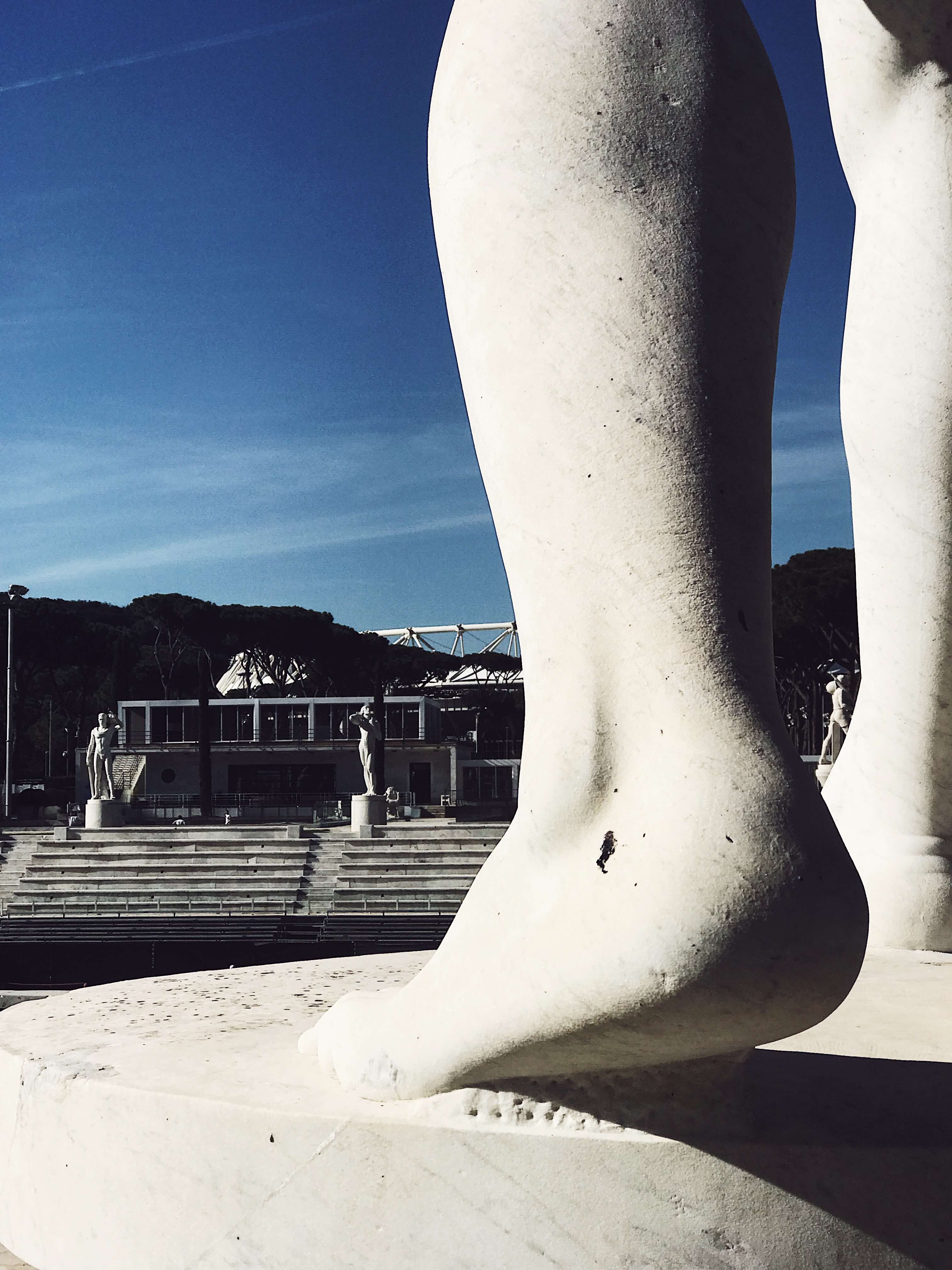
Football as a Common Language in Italy
So many times I have witnessed slightly awkward encounters between strangers transform into intimate “we are good pals” moments simply because the conversation moved on to calcio.
Two people may know absolutely nothing about each other, but once they discover that they support the same team — or, even better, rival teams — they suddenly have enough material for an entire evening.
So many times I have also felt excluded from a business conversation because, without warning, all the participants cared about was comparing their opinions on the previous day’s match.
And quite a few times my romantic plans for a night of music and wine, or popcorn and movies, have been ruined by my husband coming home and announcing that there was an unmissable match.
When Calcio Takes Over the Week
Forget Sunday’s old monopoly.
Between league matches, European competitions, national-team fixtures and the many cups apparently indispensable to civilisation, calcio now seems capable of occupying almost every evening of the week.
I do not know where all these competitions came from. To me, they often look like the same teams, players and rivalries arranged in slightly different combinations, but I am probably missing something.
And so, on these sad non-Sundays, I find myself singing Rita Pavone’s song.
I mean, Sunday is more than fine. It is my girly day, when I plan my solo activities.
But Saturdays.
Saturdays are for day trips, fancy lunches, romantic passeggiate and art exhibitions.
There is no way I will ever defeat Fiorentina, my husband’s team. I should have realised and accepted that fact by now, I know.
Still, I have a personal theory: all this overexposure will eventually make people tired of football. Too much is too much.
Then again, the Italian capacity to discuss calcio appears almost limitless, so perhaps this is merely wishful thinking, helped along by a generous amount of malocchio coming from me and a few of my friends.
Women and Italian Football Culture
Many women I know have stopped complaining and simply passed over to the dark side, becoming experts, critics and fiercely supportive spectators of their teams.
A few years ago, because there were not enough participants, I was forced to join a game of Fantacalcio.
Fantacalcio is Italian fantasy football: a role-playing game involving auctions, trading, coaching, statistics and the serious responsibility of choosing a weekly line-up.
For me, it was a massacre.
At the auction, my only intention was to collect players from all the countries I loved.
Those Japanese players were not a good idea.
Then I remembered to send my line-up only once, and I chose the active players by searching for gossip on Google News.
My girlfriends, meanwhile, knew names, statistics, injuries, transfers and every possible piece of insider information.
And it is not just them. Go to an Italian stadium and you may be surprised by how many women you see: lifelong supporters, mothers with children, groups of friends and women who know considerably more about the game than many of the men around them.
The image of Italian football as an exclusively male world has never told the whole story.
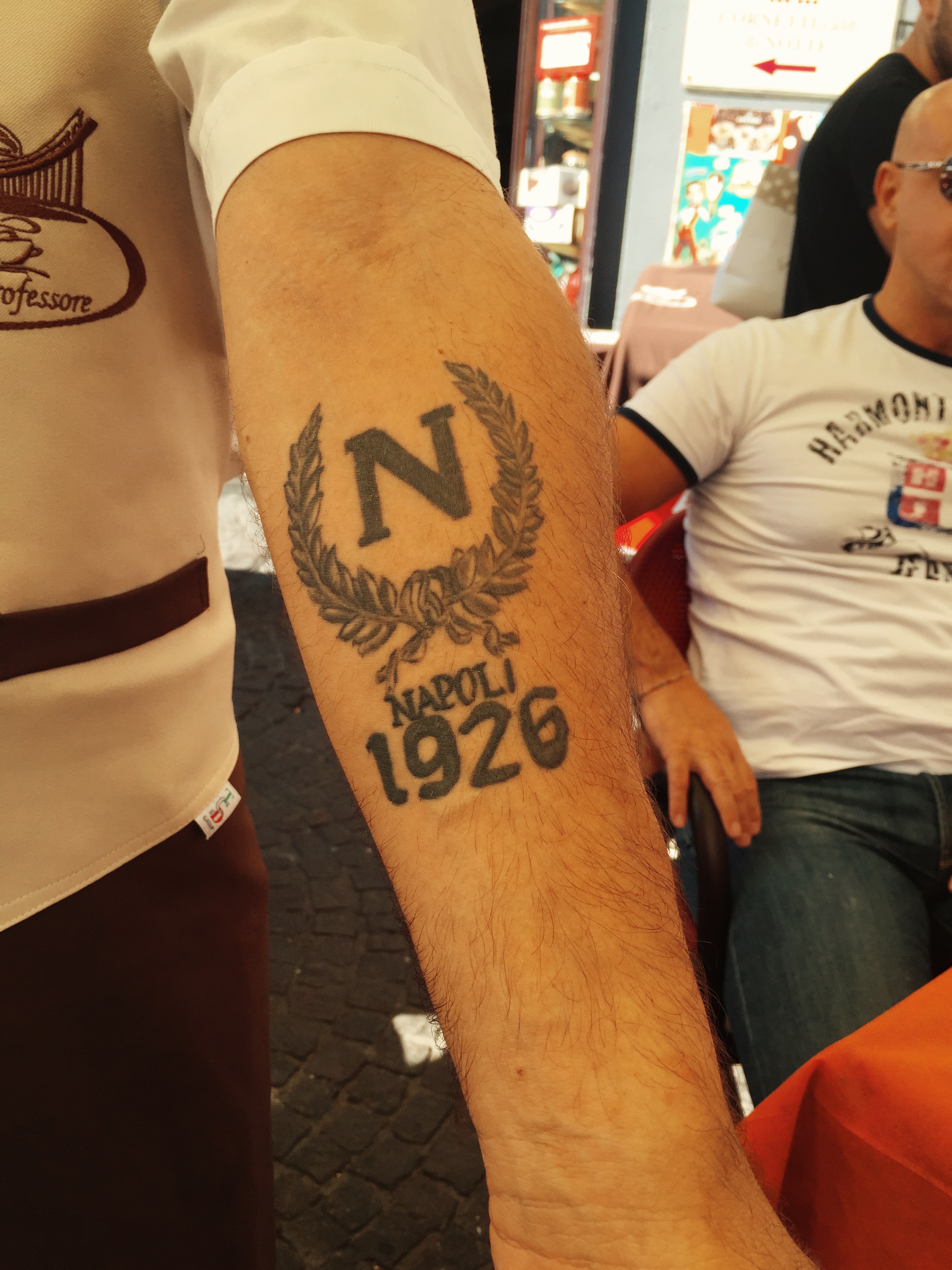
The Emotional Theatre of an Italian Football Match
I must admit that, a few times, I too have been carried away by the intense and passionate energy rising from the crowd at the stadium, or taking over the streets when Italy wins the World Cup or the European Championship.
But that is as far as it goes for me: a sociological event to observe and experience. Or an excuse to party.
Still, if you are intrigued by the phenomenon and you are the empathic type — someone who absorbs the energy and vigour of choruses, shouting and collective drama — you should watch an Italian football match at least once.
You will see entire families dressed in the colours of their team.
You will see groups of friends singing — I do not know how they manage it — from an hour before the match until an hour after it.
You will see olas, human waves, suddenly rocking half the stadium.
You will witness men and women celebrating as if they had won the lottery simply because their favourite player came close to scoring, then plunging into despair as if they had gone bankrupt when he missed the goal.
You know how Italians are drama queens and serial gesticulators.
It is part of the show.
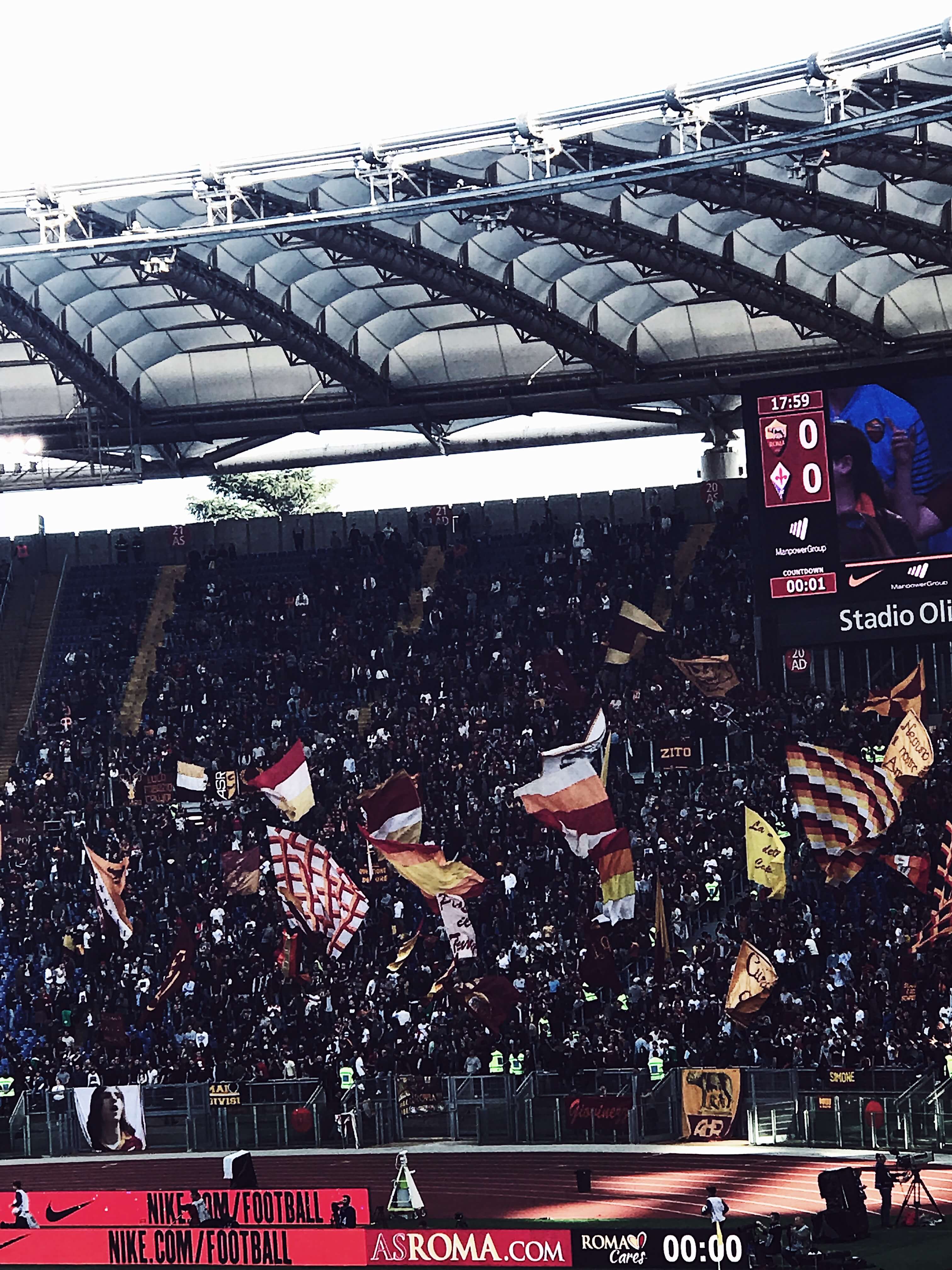
Experiencing Calcio During a Trip to Italy
You do not necessarily need to enter a stadium to observe Italian football culture.
Even sitting in a neighbourhood bar during a match can be revealing. Listen to the comments, watch the gestures and notice how quickly strangers begin speaking to one another.
You may not understand every tactical argument, but you will immediately understand that football is functioning as a shared language.
Of course, the atmosphere varies considerably depending on the city, the stadium, the teams involved and the importance of the match. Some games feel festive and family-oriented; others involve more intense rivalries, so it is always wise to check local advice before buying tickets or choosing where to sit.
And this is precisely the kind of cultural language that can transform a trip. Understanding what people are discussing, why certain rituals matter and what is happening around you allows you to experience Italy from the inside rather than simply pass through it.
That is also the idea behind Inside Italian Culture: a personalised online journey through Italian culture, everyday language and the places you are preparing to visit, designed to help you arrive with a deeper understanding of the country and the people you will meet.
Roma, Lazio, Milan, Fiorentina — whichever team you decide to support, go for it.
Let Italianity permeate your whole being and enjoy the earth-shattering ride.
Claudia