
ROME, A SIMPOSIO COOKBOOK
Myths. Rituals. Recipes. Rome.
Rome is my city.
I love it deeply, although it is a difficult place to live.
My father was born here. His name, of course, is Romano, and so is my brother’s. As a kid, he walked to school and, on the way back home, used to stop and play soccer with his friends… inside the Colosseum.
None of that is possible nowadays.
Traffic reigns. The monuments belong to humanity. The streets are perpetually busy.
But.
But, but, but.
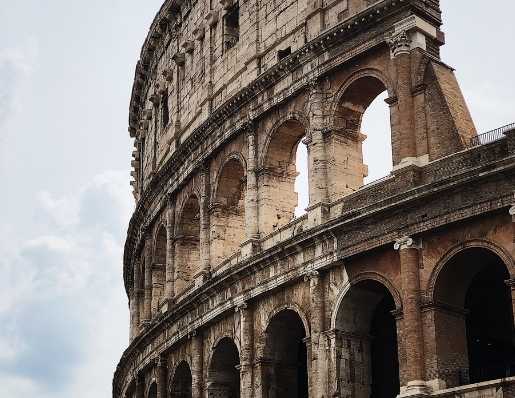
Some say the Roman Empire never ended: it simply evolved into different forms.
I agree.
The power of Christianity is the most obvious, but there’s more.
Like magic.
Rome is a city where gods became saints, ancient rituals survived under new names, recipes crossed centuries, and myths still appear in fountains, streets, markets, churches, and everyday gestures.
This Simposio follows those traces.
STEP INSIDE THE BOOK
Before you decide, step inside.
Here are a few pages from Rome Simposio: a glimpse of the myths, rituals, recipes, and contradictions that shaped my Rome.
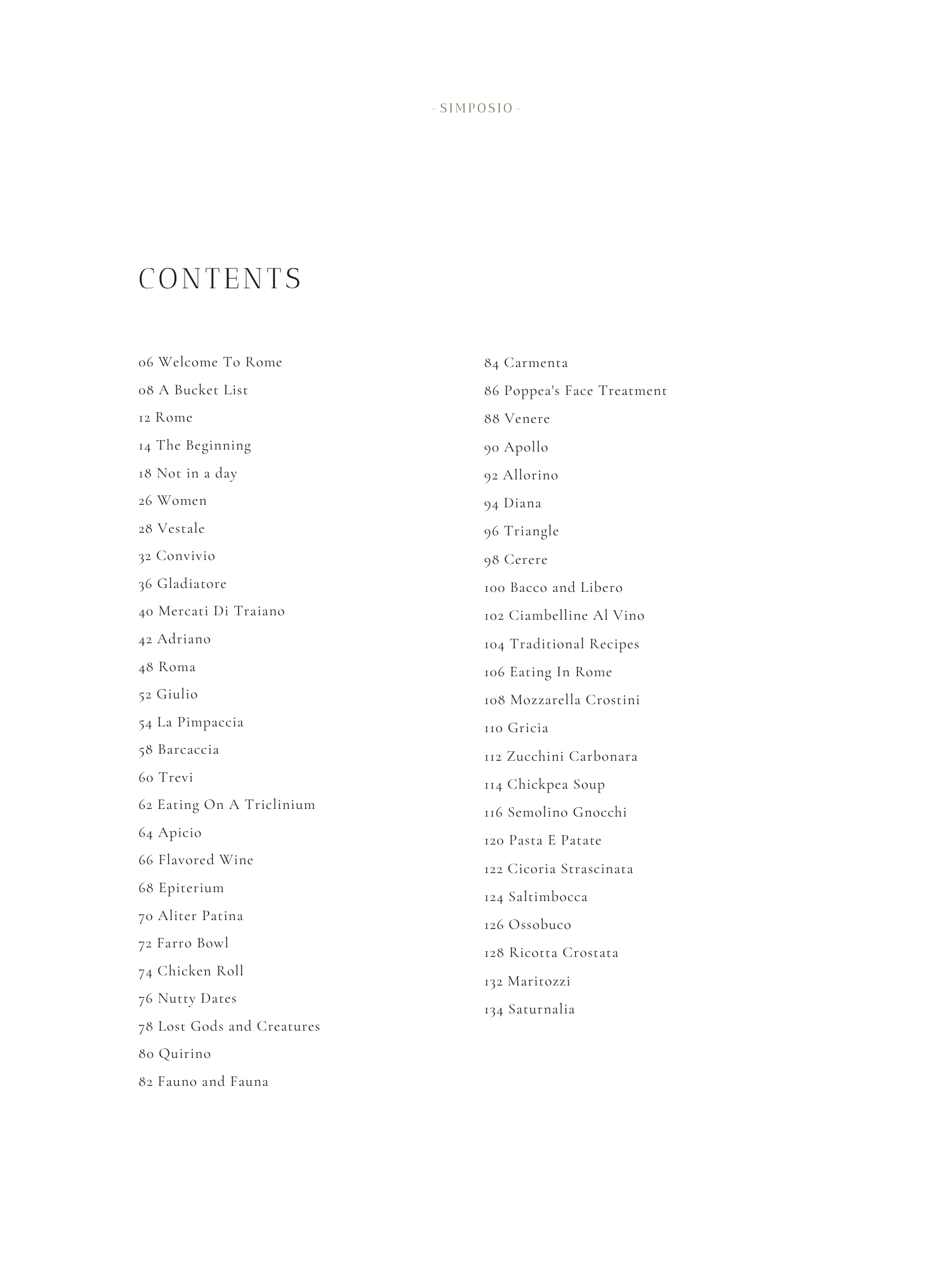
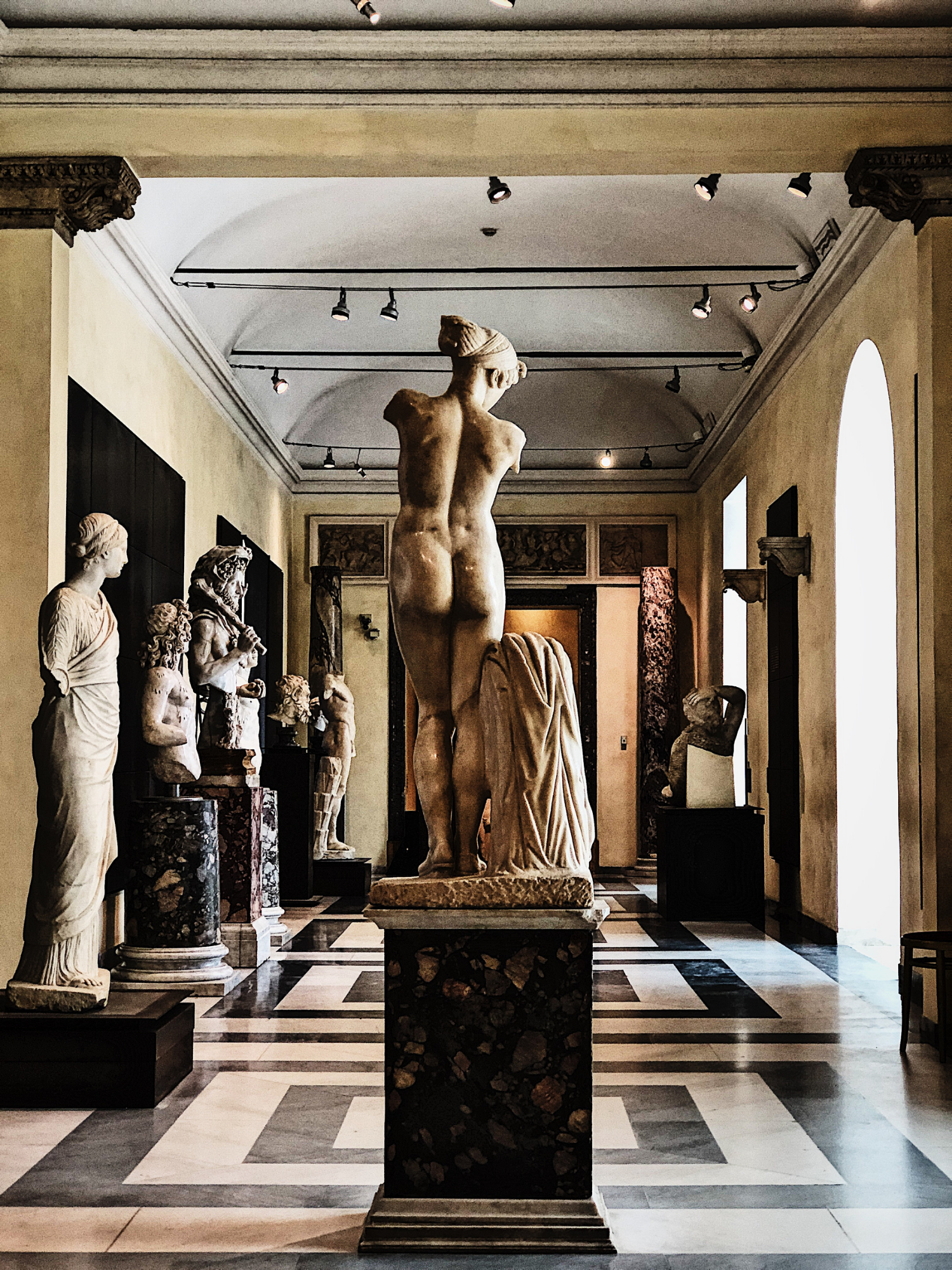
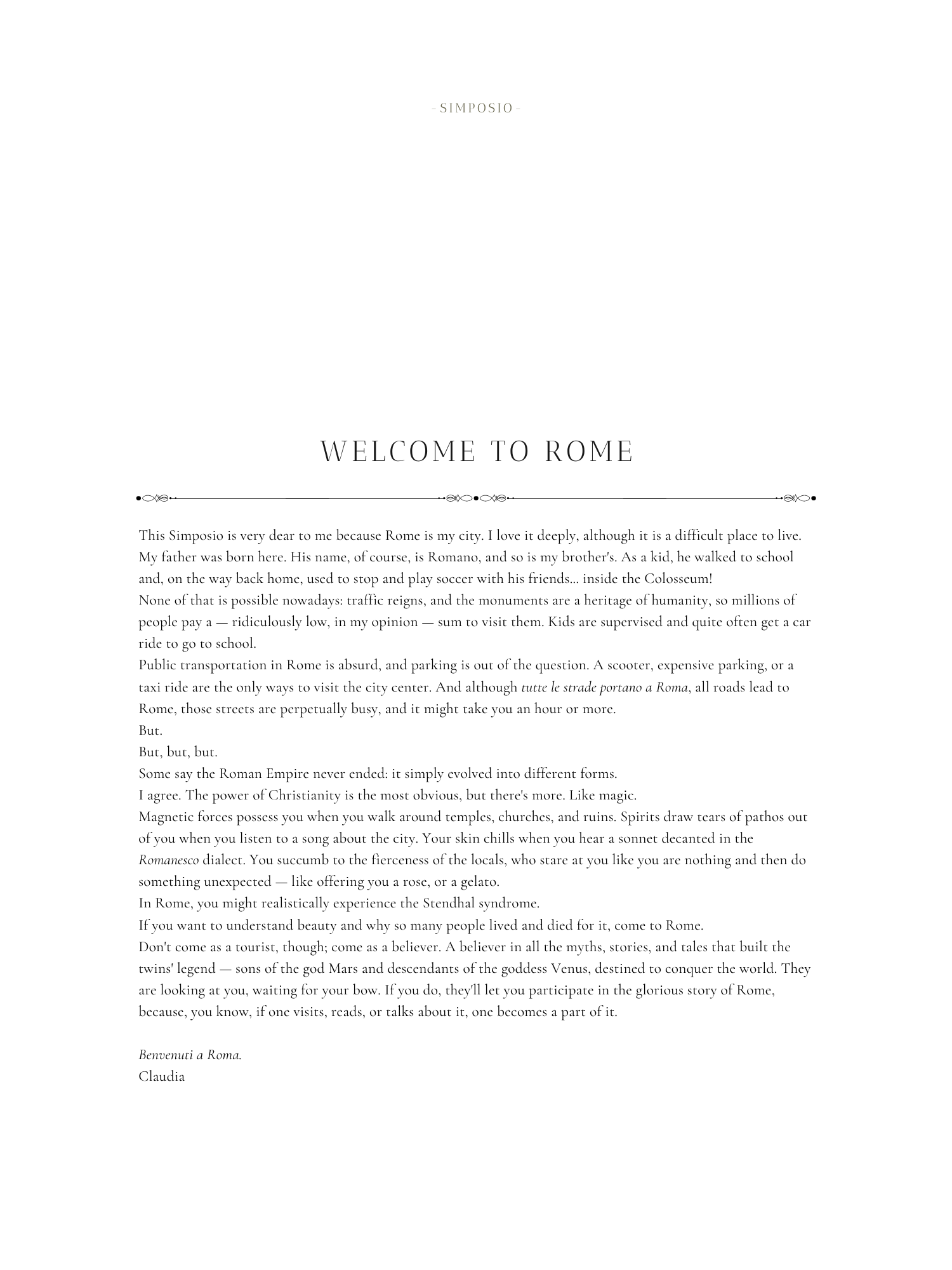
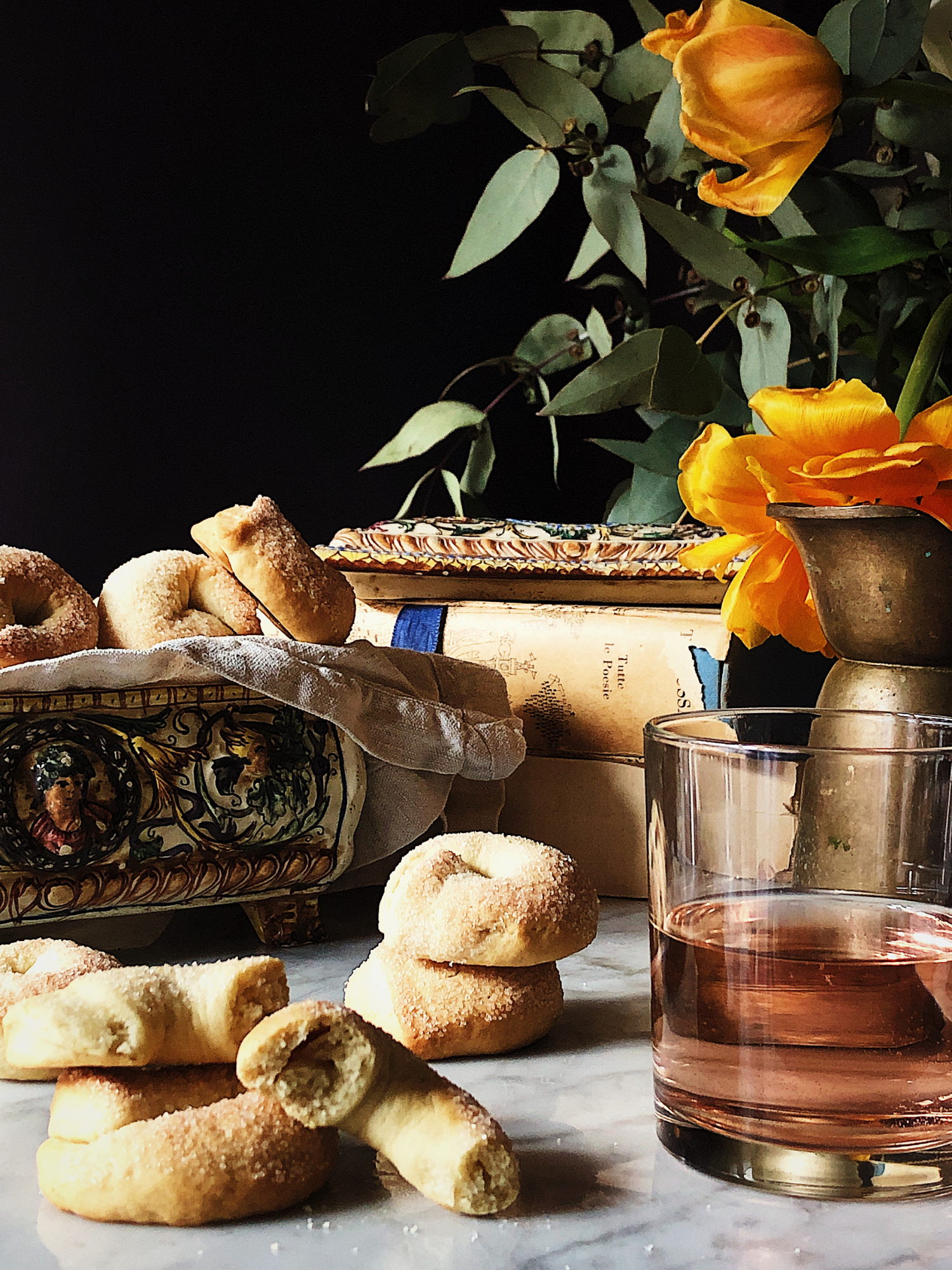
Inside this Simposio:
- Roman myths, gods, creatures, and the stories that still inhabit the city
- Ancient Rome through markets, banquets, rituals, emperors, women, and everyday life
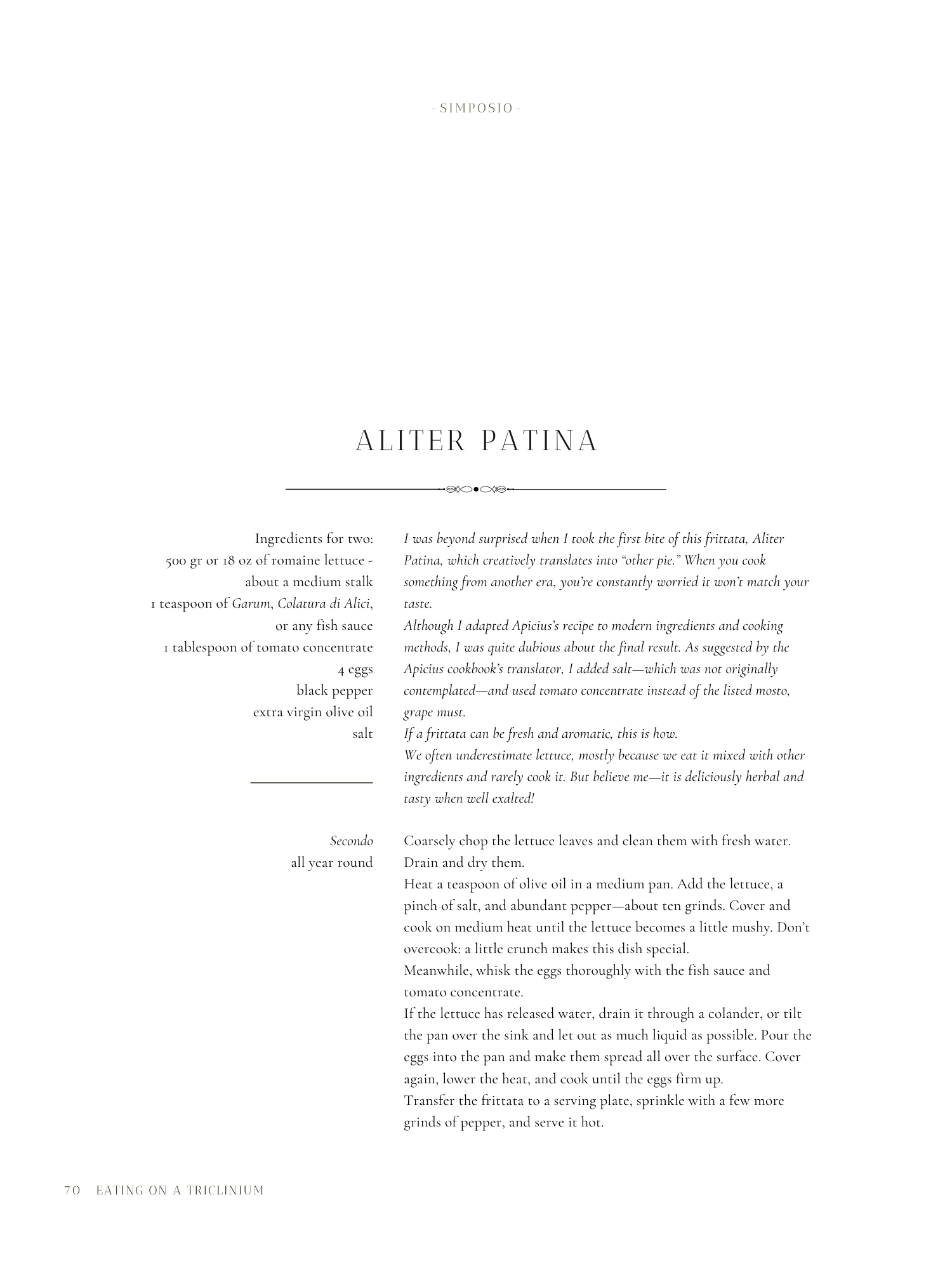
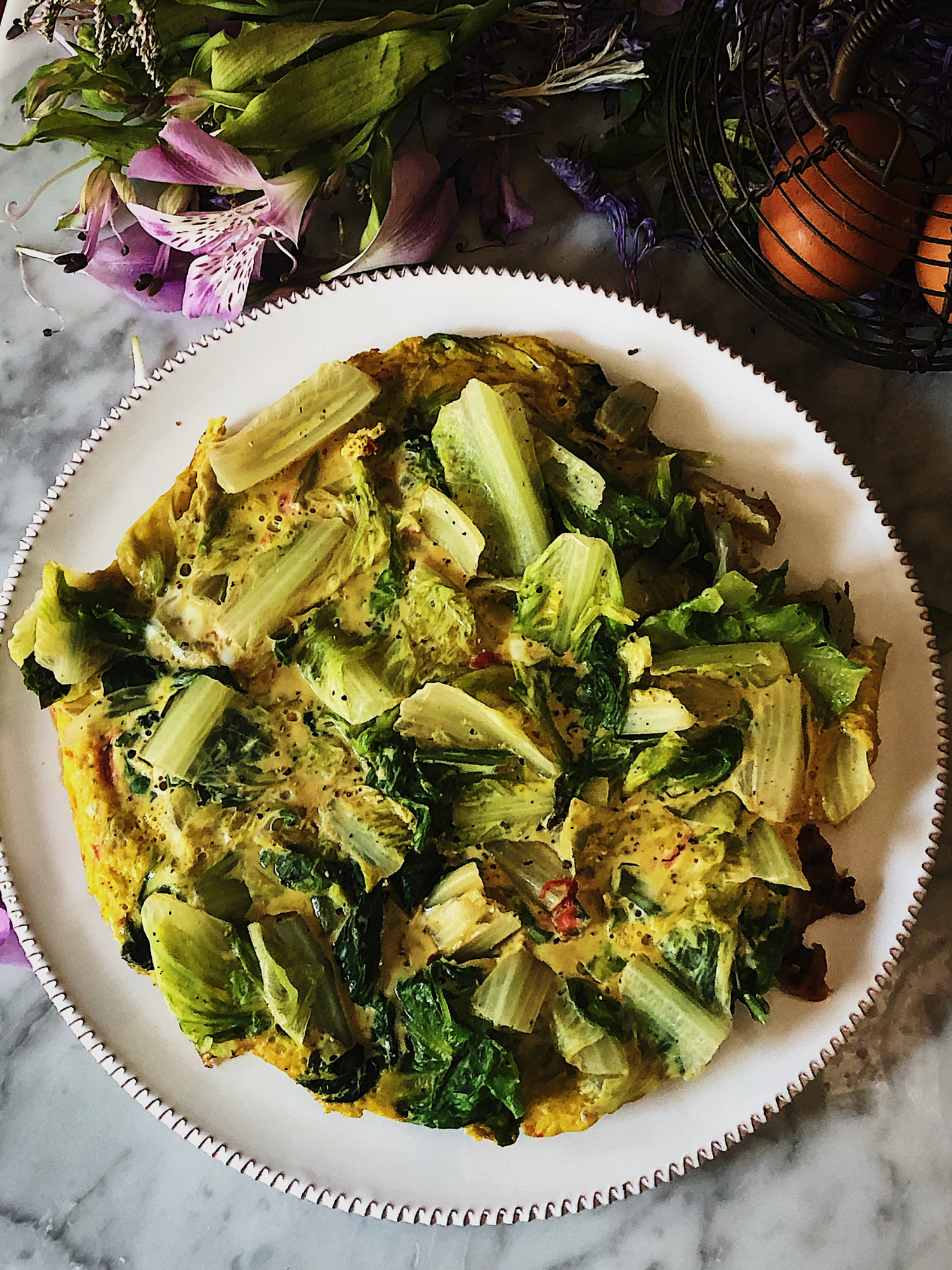
- Recipes inspired by Apicius and the ancient Roman table
- Traditional Roman dishes, from Gricia and Saltimbocca to Maritozzi.
- Stories where history, mythology, food, and contemporary Rome constantly overlap
- Photography that moves between monument, detail, ritual, and daily life
A TASTE OF WHAT YOU’LL DISCOVER
- Why a Roman banquet was much more than dinner.
- What Romans ate while reclining on a triclinium
- Apicius, flavored wine, epityrum, and other echoes of the ancient table
- Vestals, gladiators, emperors, gods, and creatures that shaped Roman imagination
- The stories behind Trevi, the Barcaccia, Trajan’s Markets, and other pieces of the city
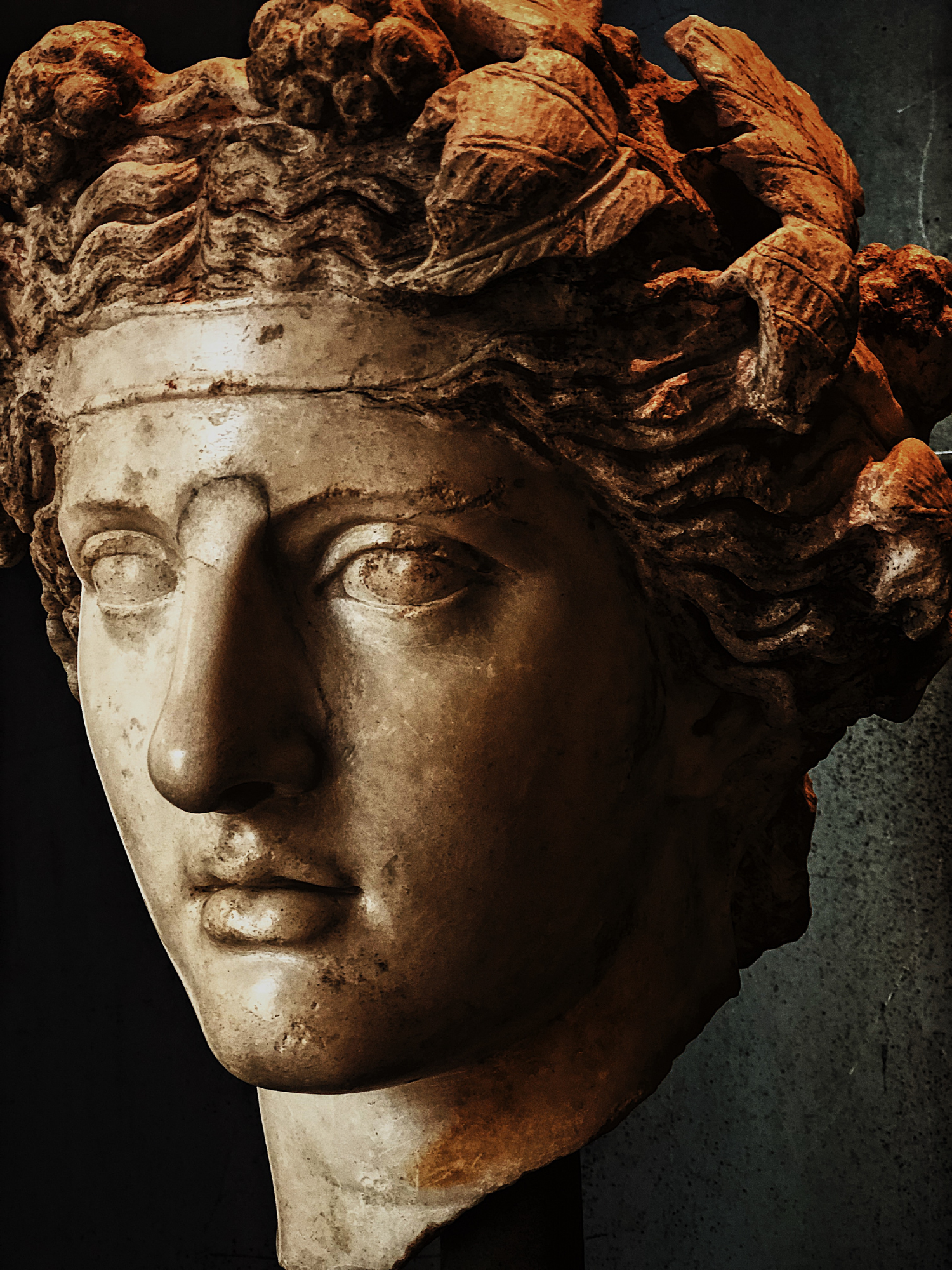
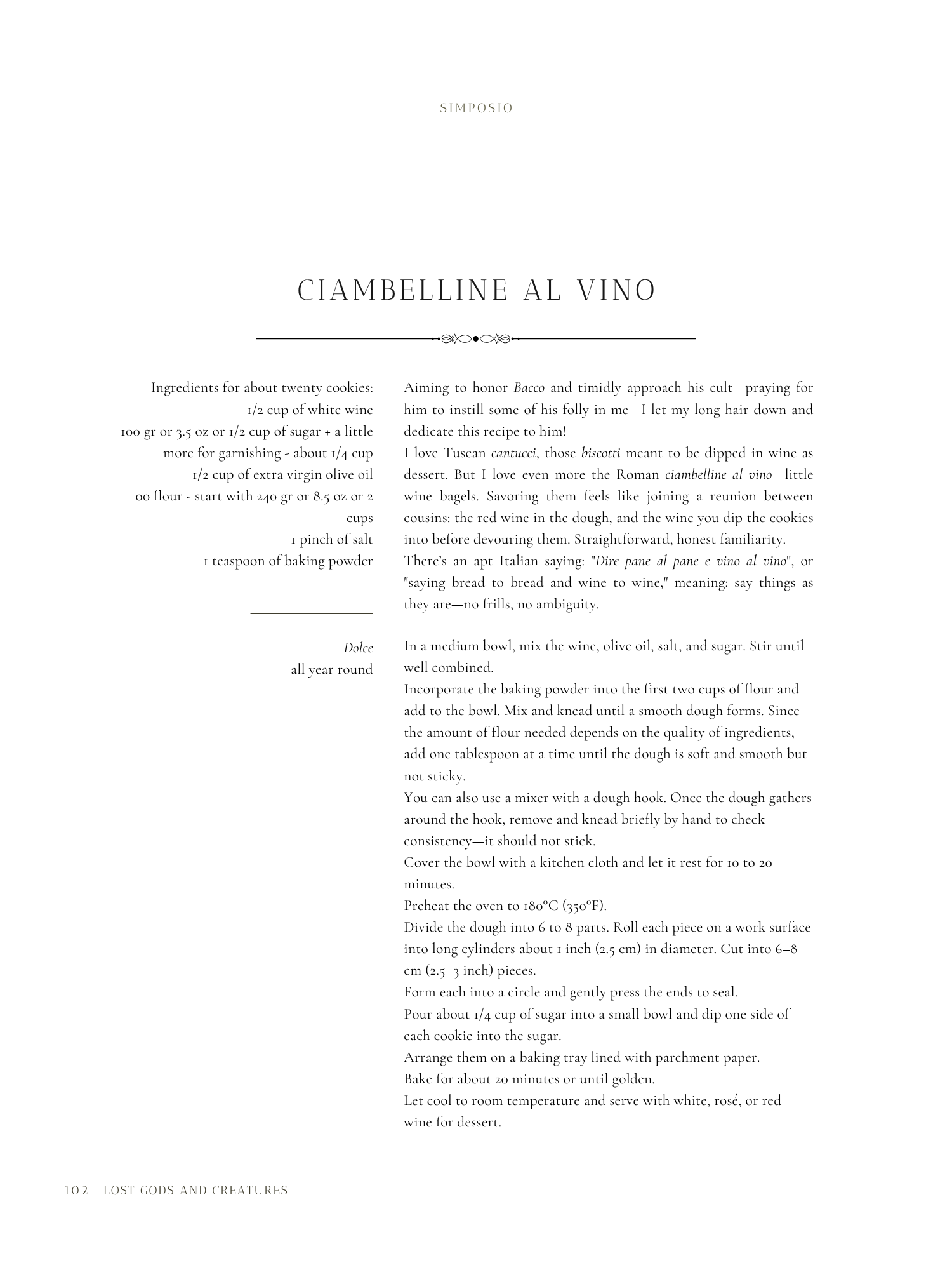
- Quirinus, Faunus, Venus, Apollo, Diana, Ceres, Bacchus—and what remains of them. Certainly not souvenirs, but if you are looking for great ones, you’ll find them here.
- The simplicity behind traditional Roman cooking
- Gricia, cicoria strascinata, saltimbocca, maritozzi, and other dishes Romans still eat today
DON’T COME AS A TOURIST
Come as a believer.
A believer in all the myths, stories, and tales that built Rome.
Walk around temples, churches, ruins, markets, and fountains long enough and the layers begin to overlap.
Ancient Rome.
Papal Rome.
Modern Rome.
The Rome of gods and saints, trattorie and traffic, beauty and chaos.
You begin to notice that the city is not made only of monuments.
It is made of things that survived.
A gesture.
A recipe.
A word in Romanesco.
A feast.
A superstition.
A god whose name you no longer recognize.
THE ROMAN TABLE, THEN AND NOW
Roman food has always been shaped by circumstance.
The ancient table could be luxurious, theatrical, perfumed with herbs, wine, honey, and spices.
The modern Roman kitchen is often its opposite: direct, economical, built around a few ingredients used with confidence.
Inside the book, the two coexist.
You’ll cook recipes inspired by the ancient world alongside dishes that belong to Rome today—from farro and flavored wine to Gricia, cicoria, saltimbocca, ricotta crostata, and maritozzi.
Not because Roman cuisine stopped and started again.
Because Rome rarely does.
It transforms.
WELCOME TO ROME
If you want to understand beauty and why so many people lived and died for it, come to Rome.
Listen to a Romanesco sonnet.
Watch a local who seems ready to devour you suddenly offer you a rose—or a gelato.
Look for gods in fountains and old rituals in modern celebrations.
Eat.
Read.
Listen.
Because if one visits, reads, cooks, or talks about Rome, one becomes a little part of it.
Benvenuti a Roma.
Claudia
Buy Simposio | The Rome Issue on Amazon