
At some point after Christmas Eve dinner, when the plates have been cleared but nobody is ready to leave the table, the cards come out.
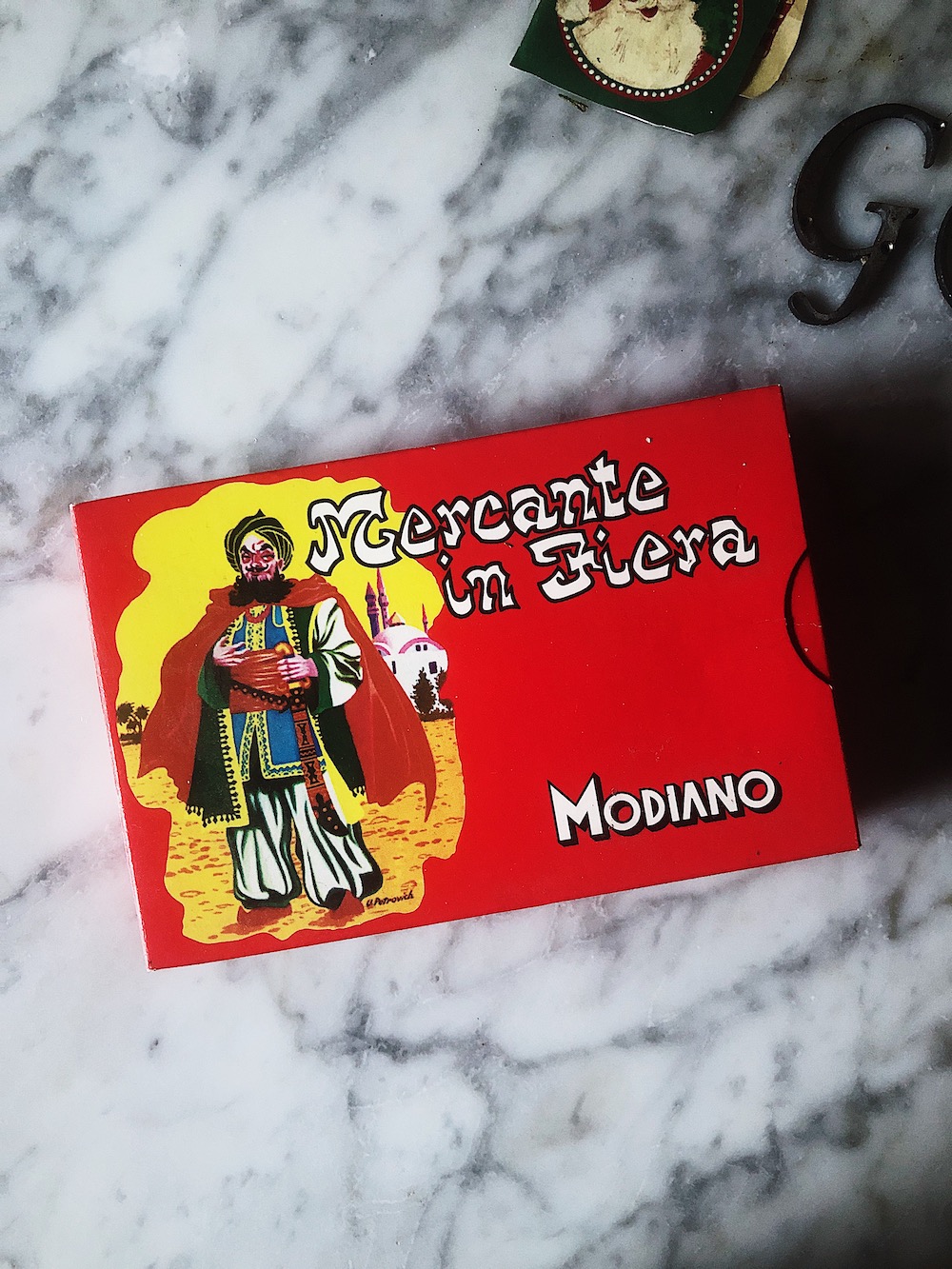
One of the games you may find on an Italian family table during the Christmas holidays is Mercante in Fiera, Merchant at the Fair: part card game, part auction, and part family theatre.
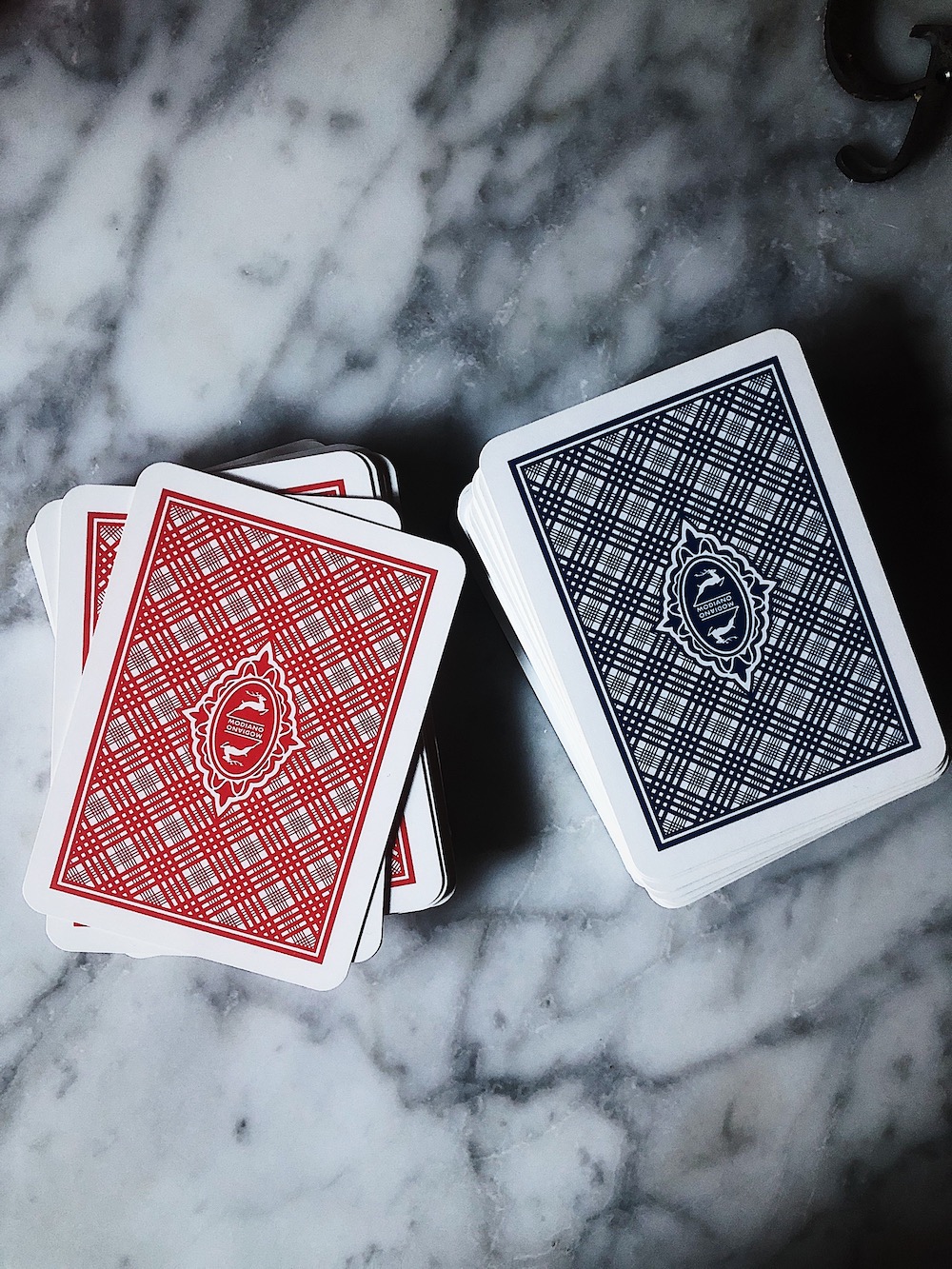
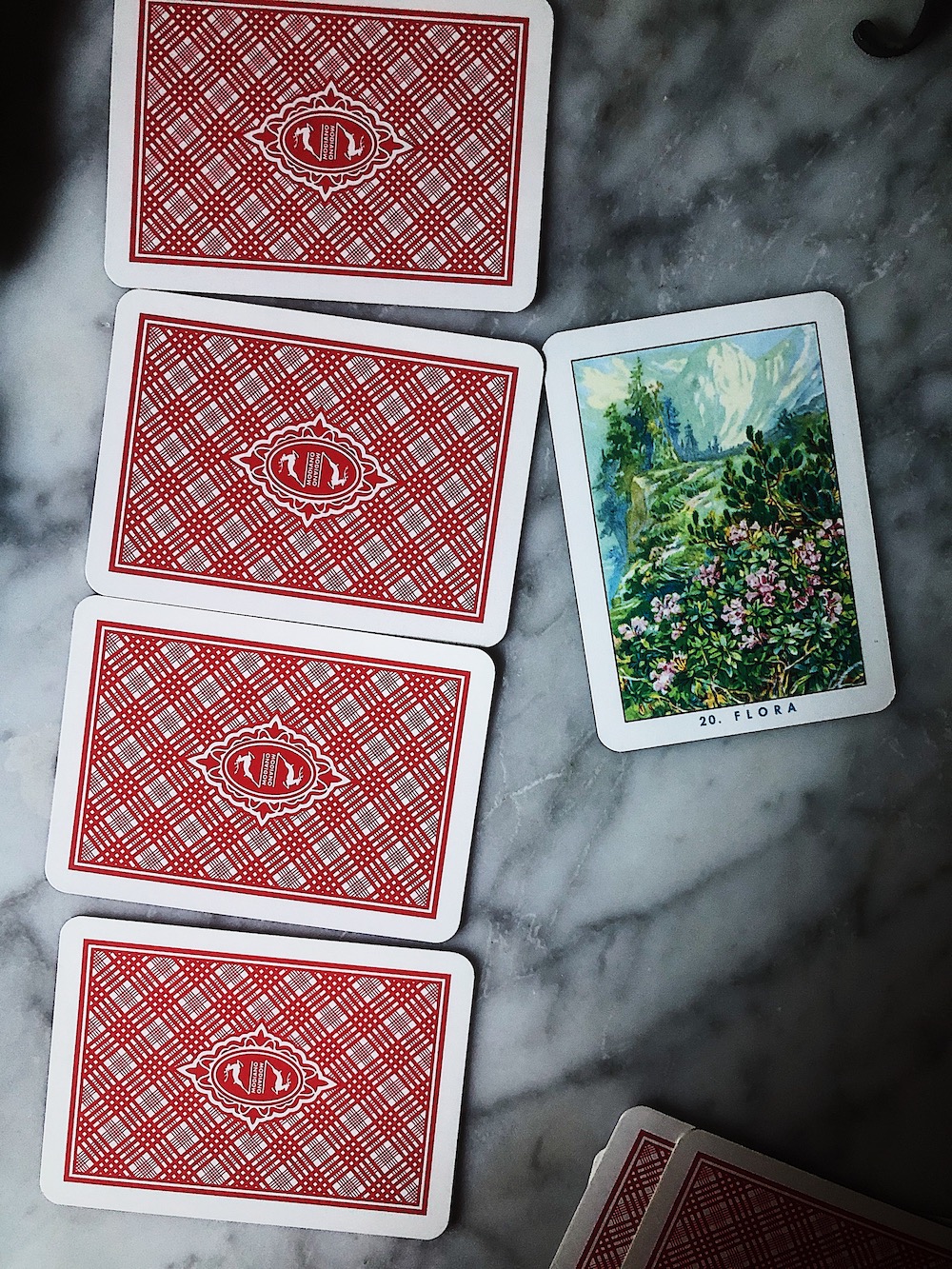
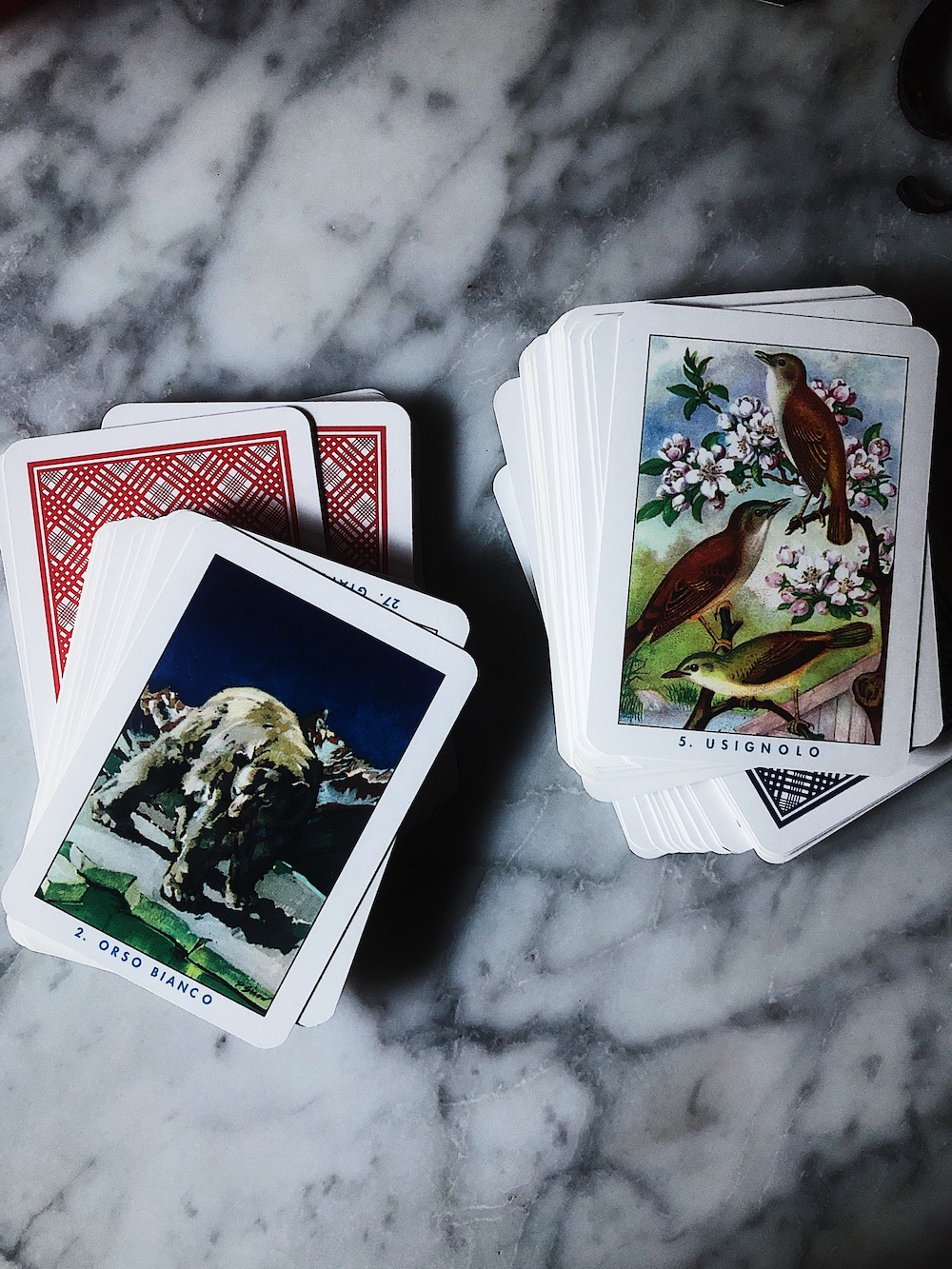
It is played with two matching decks of illustrated cards, distinguished by backs of different colors. The figures vary from one edition to another: animals, characters, everyday objects, and all kinds of bizarre creatures. And, as often happens with Italian traditions, almost every family has developed its own version of the rules.
One Christmas, I decided to make a personalized Mercante in Fiera, replacing the traditional figures with members of the family, nicknames, objects with a story, and episodes from the previous year.
But first, let me explain how the game works.
How to Play Mercante in Fiera
You need two matching decks, each containing the same forty illustrated cards. The backs of the two decks must be different colors so that they remain easy to distinguish.
One person becomes the mercante, the merchant. They will manage the cards, conduct the auction, collect the money, and reveal the winners.
The merchant is not merely a dealer. The role requires a certain amount of performance, persuasion, and theatrical manipulation.
Choosing the Winning Cards
Before the game begins, the merchant secretly selects between three and six cards from the first deck.
These will be the winning cards. Each one is assigned a prize: first prize, second prize, and so on.
Every family decides how many winning cards to choose and how the prize money will be divided among them. The remaining cards from this first deck are set aside for the moment.
Nobody knows which figures are hiding among the winners.
Paying the Entrance Fee
To participate, each player pays a small entrance fee.
This gives them the right to receive one or more cards from the second deck, depending, once again, on the family rules.
The merchant may also participate by paying the entrance fee and keeping a card, although they remain responsible for running the game.
We are usually talking about coins. It is a family Christmas game, after all.
The emotional stakes, however, will soon become considerably higher than the money involved.
The Mercante in Fiera Auction
Once everyone has received their first card, the auction begins.
The merchant places one or more cards from the second deck inside an empty box or container and shakes it. The players cannot see exactly what is being offered and must decide how much they are prepared to bid for the mysterious bundle.
As in a real auction, the merchant encourages the participants, raises expectations, and invites increasingly reckless offers.
The highest bidder wins the hidden cards and keeps them close, hoping that one of their figures corresponds to a winning card from the first deck.
The auction continues until all the available cards have been distributed.
Creating the Prize Money
When the auction is over, the merchant gathers together the entrance fees and all the money collected during the bidding.
The total is then divided among the winning cards.
The first-place card receives the largest prize, followed by the second, third, and any others the family decided to include.
Only now does the most dramatic part of the game begin.
Revealing the Losing Cards
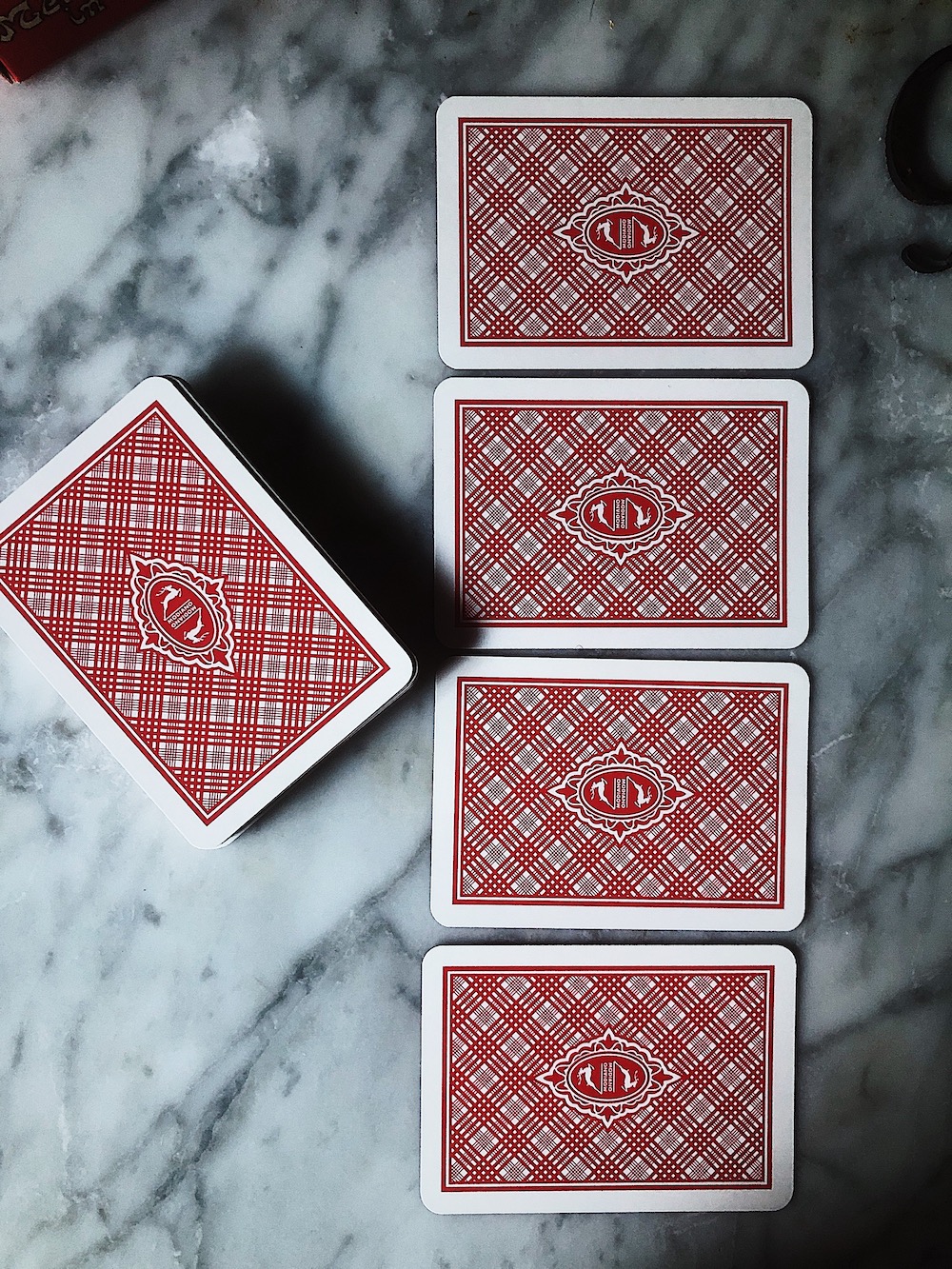
The merchant returns to the first deck and reveals the losing cards one at a time.
Whenever a figure is announced, the matching card from the second deck is eliminated.
Participants watch their cards disappear one after another. They become disappointed, irritated, hopeful, superstitious, and suddenly convinced that the remaining card in someone else’s hands must be worth acquiring.
Trading begins.
Players sell, exchange, and negotiate over the surviving cards. The closer the game gets to the end, the more valuable they seem to become.
The money may be insignificant, but nobody behaves as though it is.
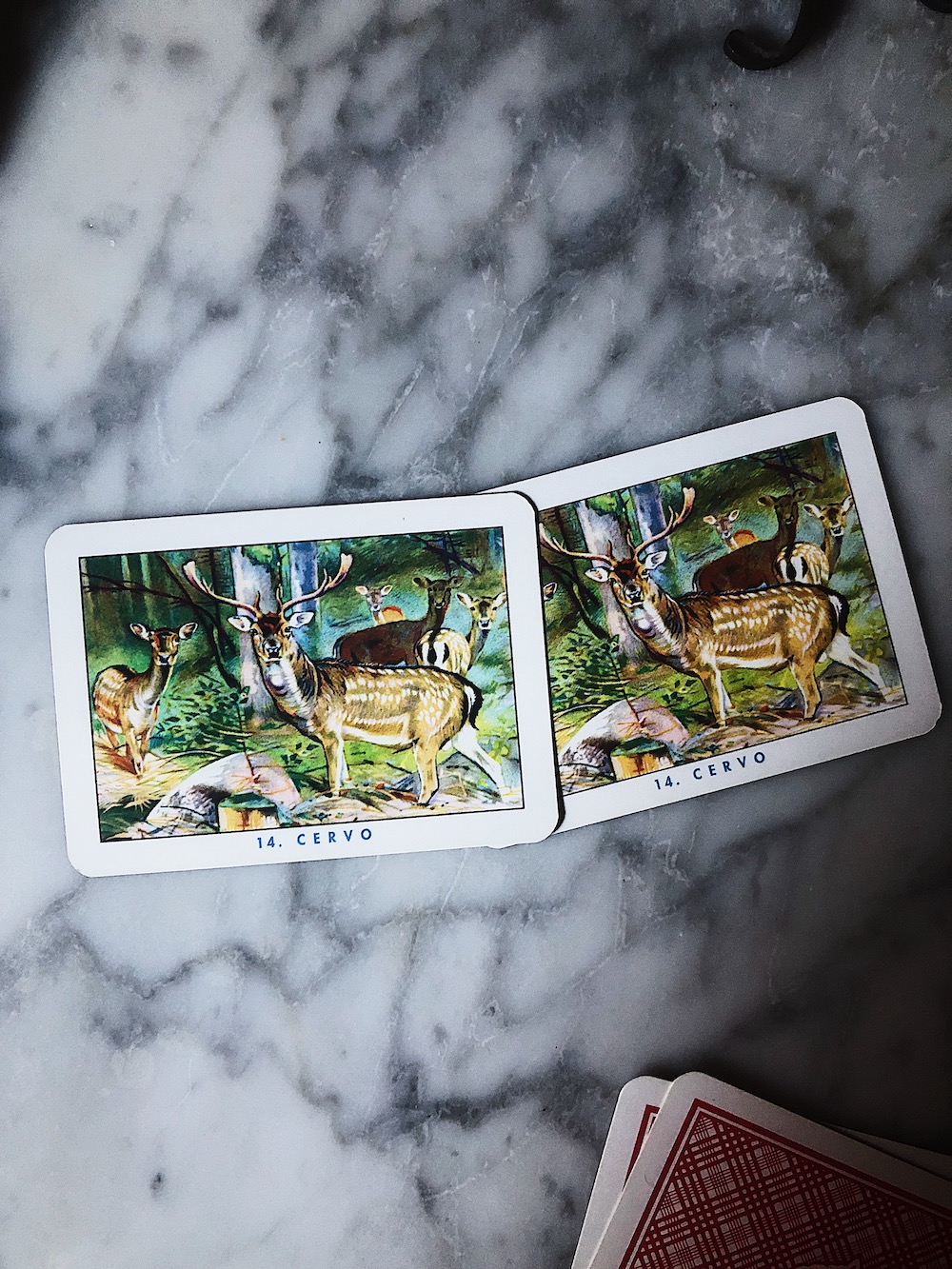
Revealing the Winners
Once all the losing cards have been announced, only the winning figures remain in play.
The merchant reveals them in reverse order, beginning with the smallest prize and ending with the first-place card.
Until the final card appears, players may continue buying, selling, and exchanging their chances.
Then the first-prize card is revealed, the money is distributed, and everyone begins discussing the decisions they should—or should not—have made.
Why Mercante in Fiera Is More Than a Card Game
The origins of Mercante in Fiera go back centuries, but the game has survived because the cards are only part of what happens around the table.
The real game is made of bluffing, bargaining, alliances, suspicion, performance, family rivalries, and the conviction that luck may still change at the very last moment.
It is also extremely adaptable. The figures on the cards can change, the number of prizes can change, and every family can add its own rules.
Perhaps that is why it feels so at home during an Italian Christmas: it gives everyone a role, keeps the table together long after dinner, and offers a perfectly legitimate reason to shout at relatives.
My Personalized Mercante in Fiera
The traditional cards are illustrated with funny and sometimes bizarre figures inspired by animals, imaginary characters, popular culture, and everyday objects.
For my family version, I replaced them with people and stories from our own private mythology.
There were members of the family, their nicknames and peculiarities; objects carrying a shared memory—U Babà!—and episodes from the previous year, such as The Accident.
Once the cards depict people everyone knows, the negotiations become even more emotional.
I have seen participants offer gifts, favors, and services in exchange for the card representing their cousin, their son, or someone else they could not bear to see eliminated.
At that point, Mercante in Fiera becomes more than a Christmas game. It becomes a temporary family archive: affectionate, merciless, ridiculous, and entirely ours.
Understanding an Italian Christmas from the Inside
A list of rules can explain how Mercante in Fiera works, but it cannot fully explain what happens around the table.
The interruptions, gestures, negotiations, family references, and unwritten rules are part of the experience. They are also the details that can make an Italian Christmas feel bewildering from the outside and extraordinarily alive once you begin to understand them.
If you are preparing to spend the holidays in Italy (or simply want to go deeper into Italian culture), Inside Italian Culture can help you explore the traditions, everyday language, and social codes you are likely to encounter, shaping the journey around your destination, interests, and the people you will meet.
Now all that remains is to wait for the auction to begin.
Perhaps with a little zabaglione while we play.
Have a sweet and cozy Christmas, and enjoy playing Mercante in Fiera with your family and friends.
Claudia