
Christmas in Italy begins with the tree and ends with La Befana’s stocking.
Join me to discover when the Christmas season begins and how long it lasts, what the weather is like, who celebrates it, and how we decorate, feast, play, and exchange gifts. We’ll dive into Italian Christmas traditions, activities, and, of course, food.
When Is Christmas in Italy?
Natale—Christmas in Italy—begins in early December.
December 8 is traditionally the day we put up the Christmas tree, decorate it, and light it up. There are a few exceptions, though.
In Taranto, Puglia, for example, celebrations begin on the feast of Santa Cecilia, on November 22.
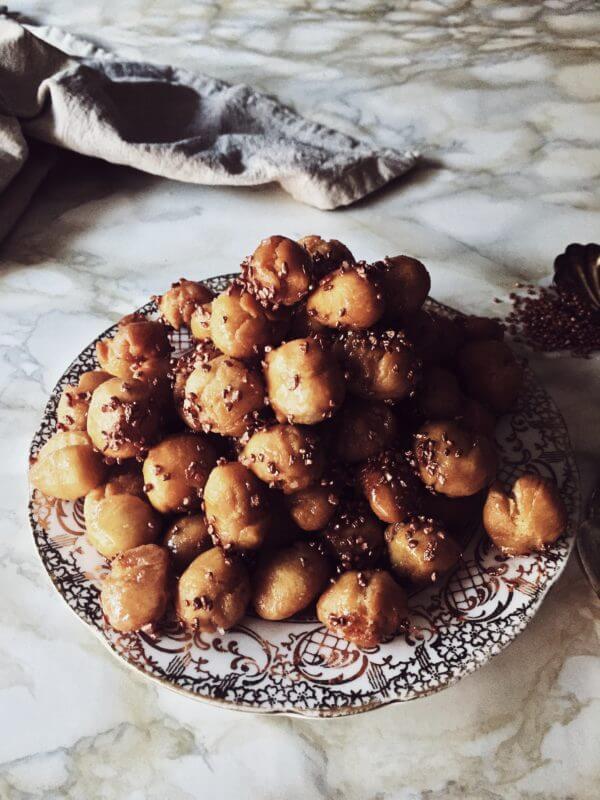
It is also frying day: families make enormous quantities of pettole, pieces of leavened dough that are deep-fried and served covered in sugar or sprinkled with salt.
How Long Does Christmas Last in Italy?
The Christmas season in Italy lasts almost a month, from December 8 to January 6.
The final week, between New Year’s Eve and La Befana, feels like a strange extension of Christmas: the main celebrations are over, but no one is quite ready to return to everyday life.
This does not mean that we get a month-long break. The official holidays are December 8, 25, and 26, plus January 1 and 6.
A few weeks before Christmas, everyone starts making plans and taking extra vacation days, as strategically as possible, to stay home for as long as they can.
Children, on the other hand, are usually off school for about two weeks, from just before Christmas until January 6.
Shop owners, poor them, work most of the time and add Sundays to their already cluttered schedules.
Who Celebrates Christmas in Italy?
Almost everyone celebrates Christmas in Italy.
Not everyone is religious or observant, but most of us still see it as an excellent excuse to celebrate and be merry. We accept—and, in many cases, secretly love—traditions and family reunions.
Of course, I have met a few Grinches in my life, but they are usually sad people with big issues.
Children are the ones who enjoy the season the most and are often the reason why even the Grinches manage a smile.
Adults, meanwhile, may need a drink or two to get through the family gatherings.
Some even dress up as Babbo Natale to deliver the presents at midnight, although an older tradition says that Baby Jesus brings them while the children are sleeping. In that case, the gifts magically appear on the morning of the 25th.
Italian Christmas Decorations
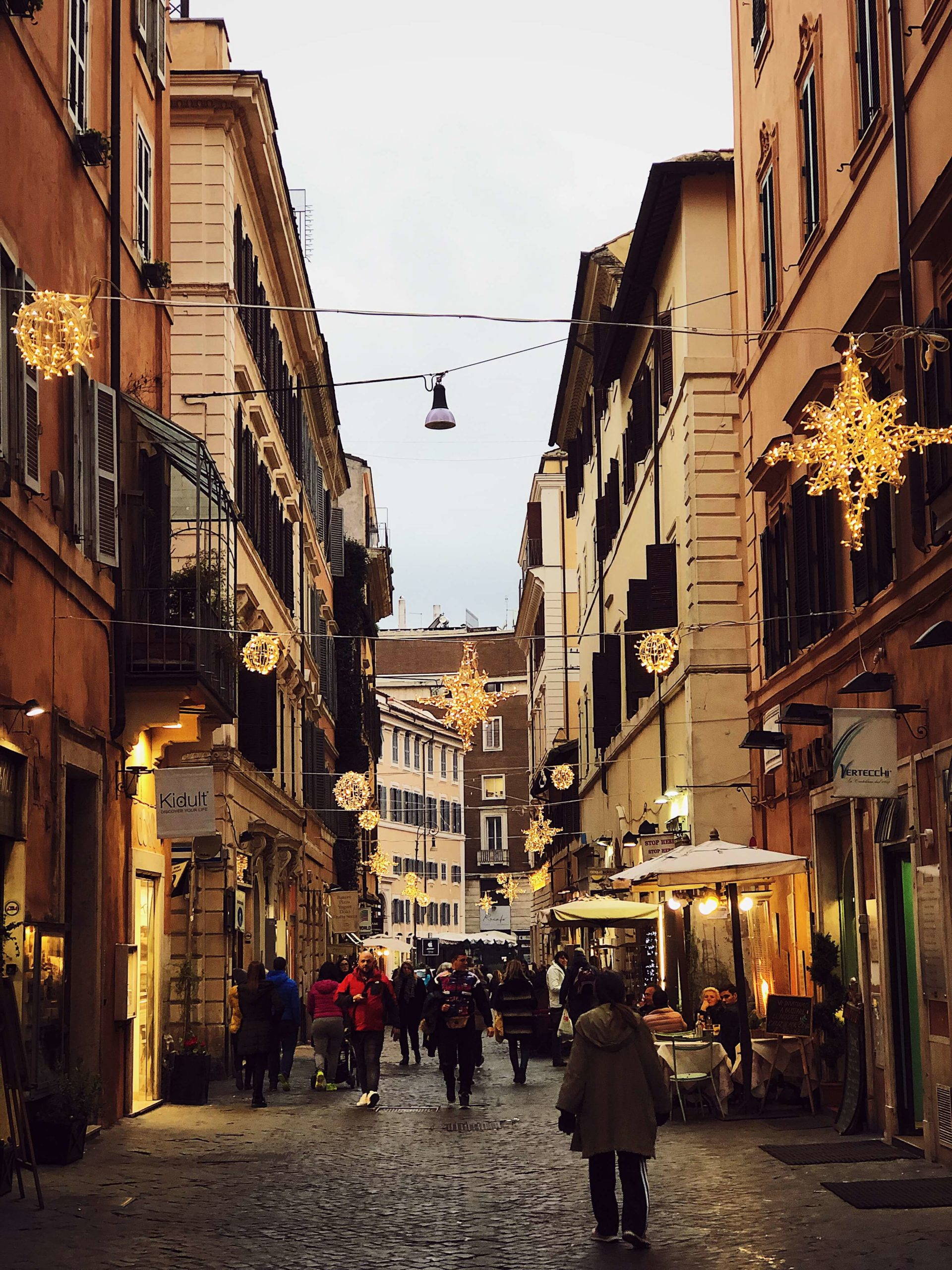
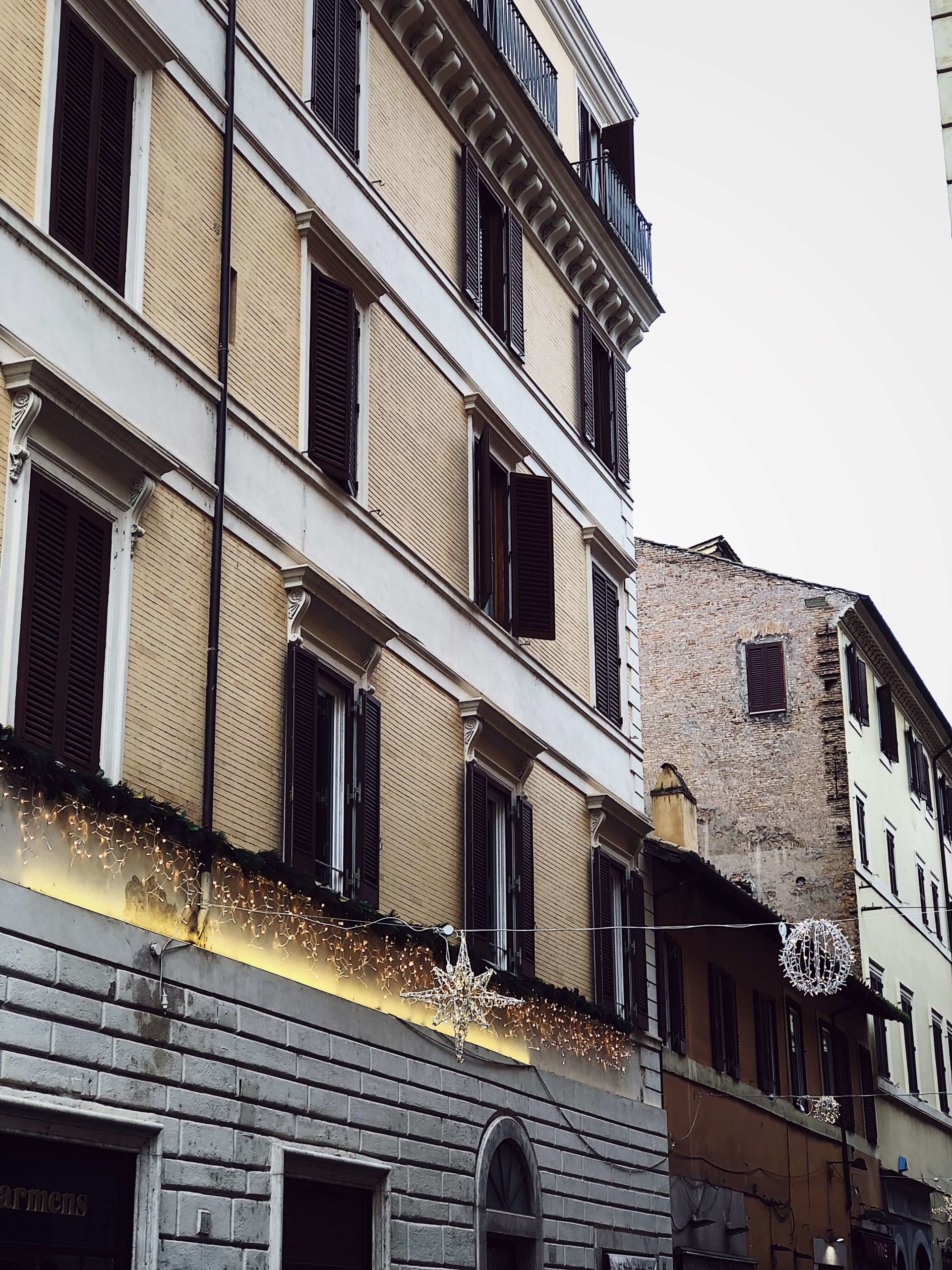
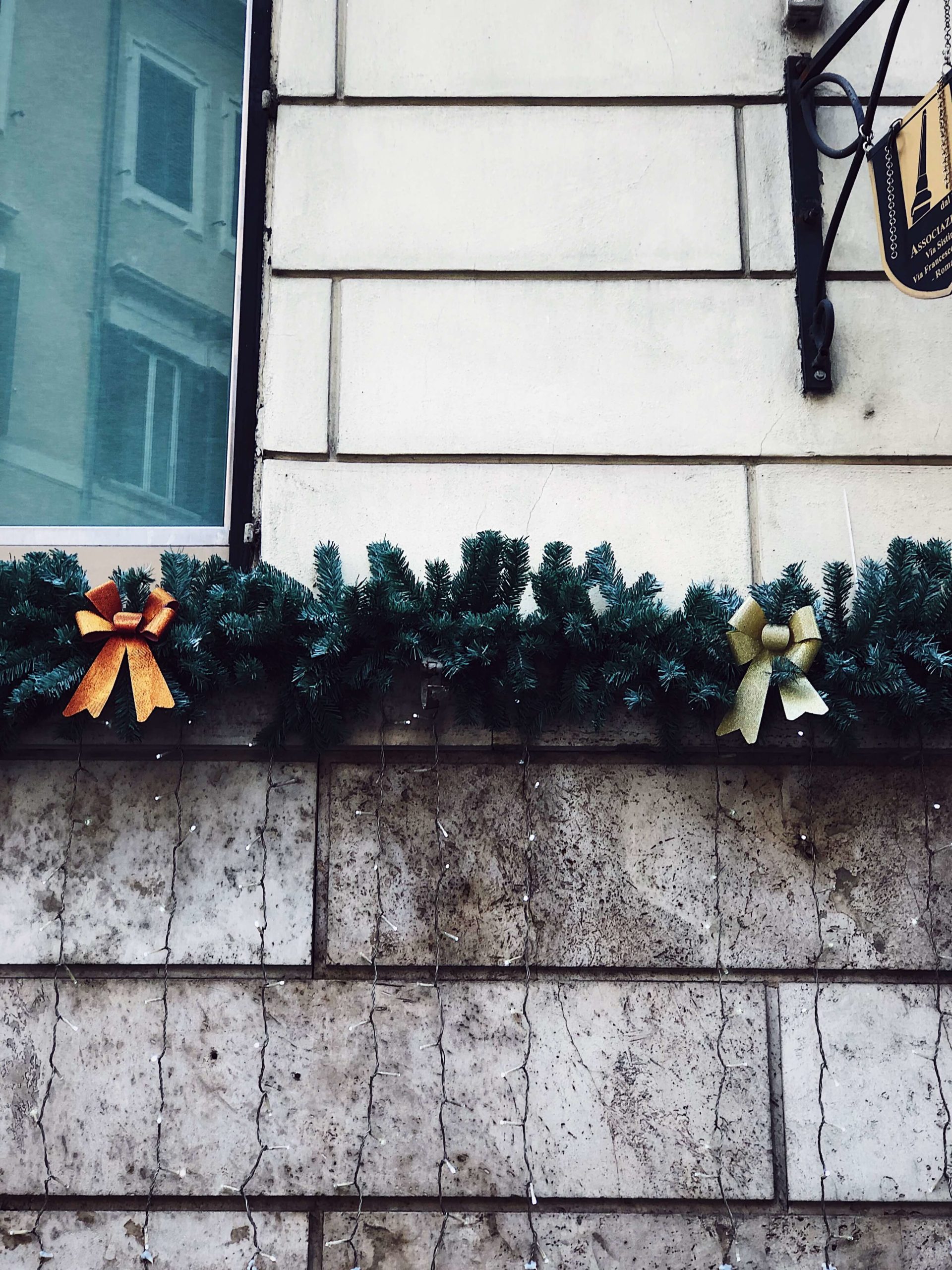
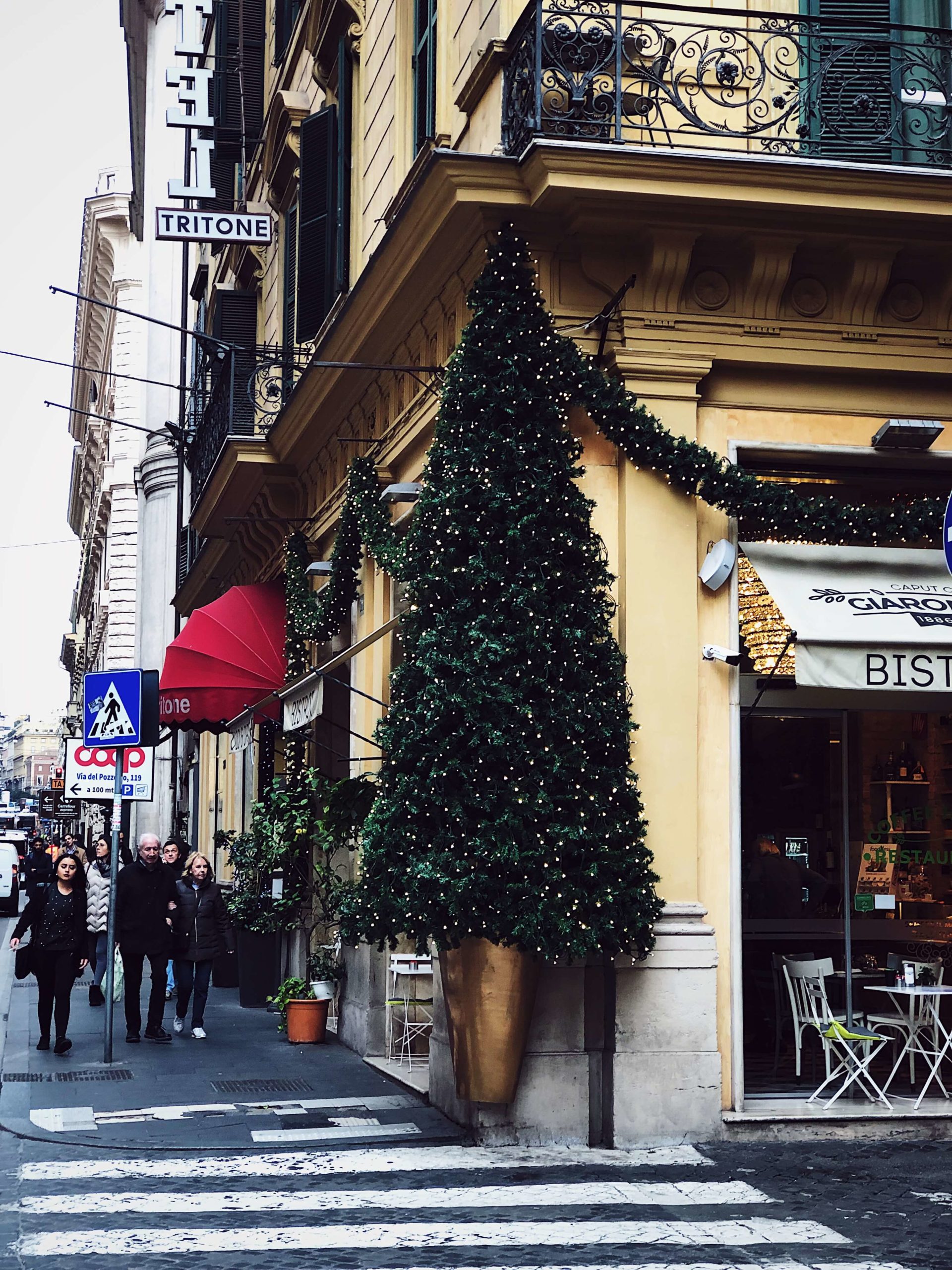
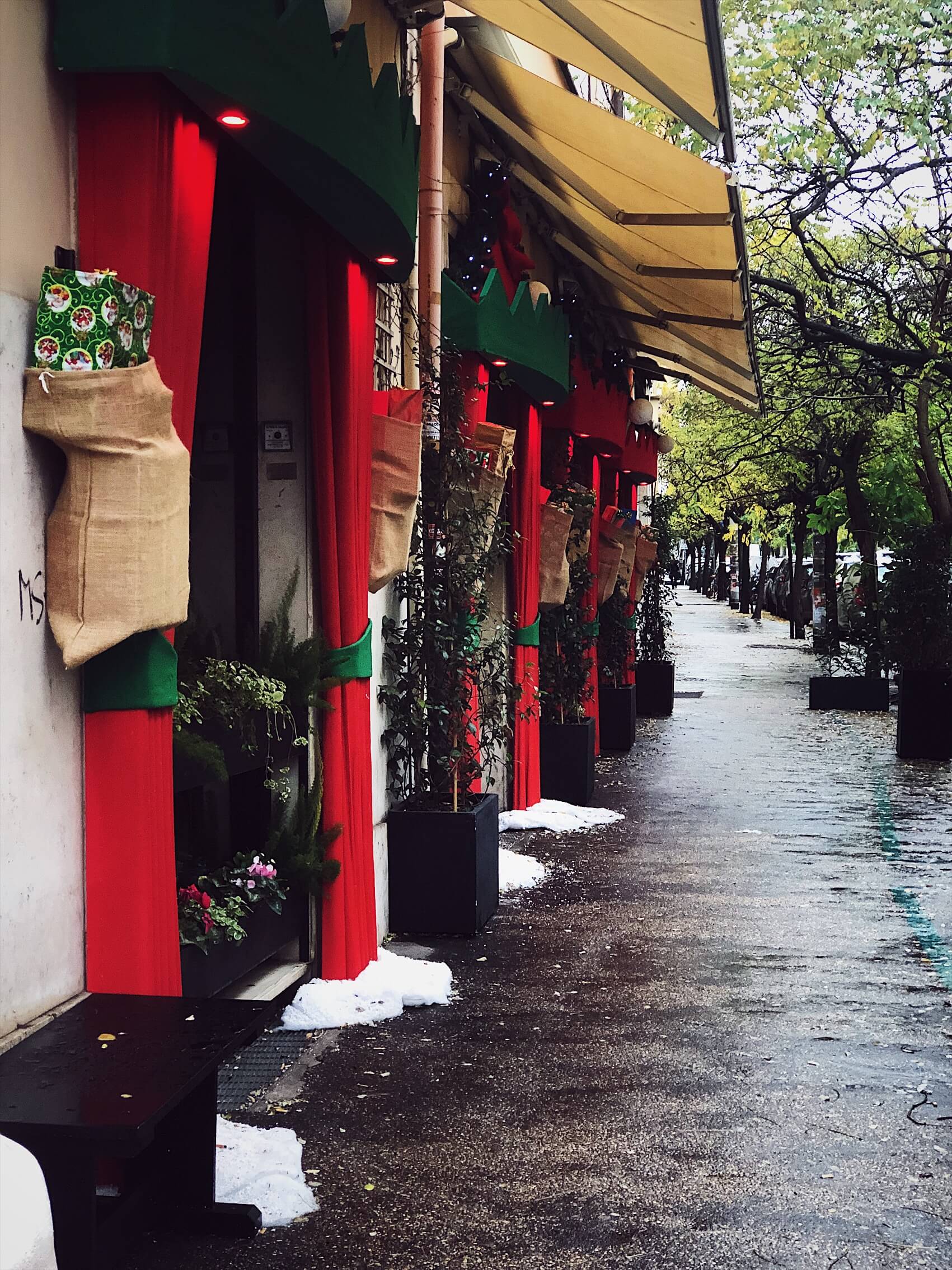
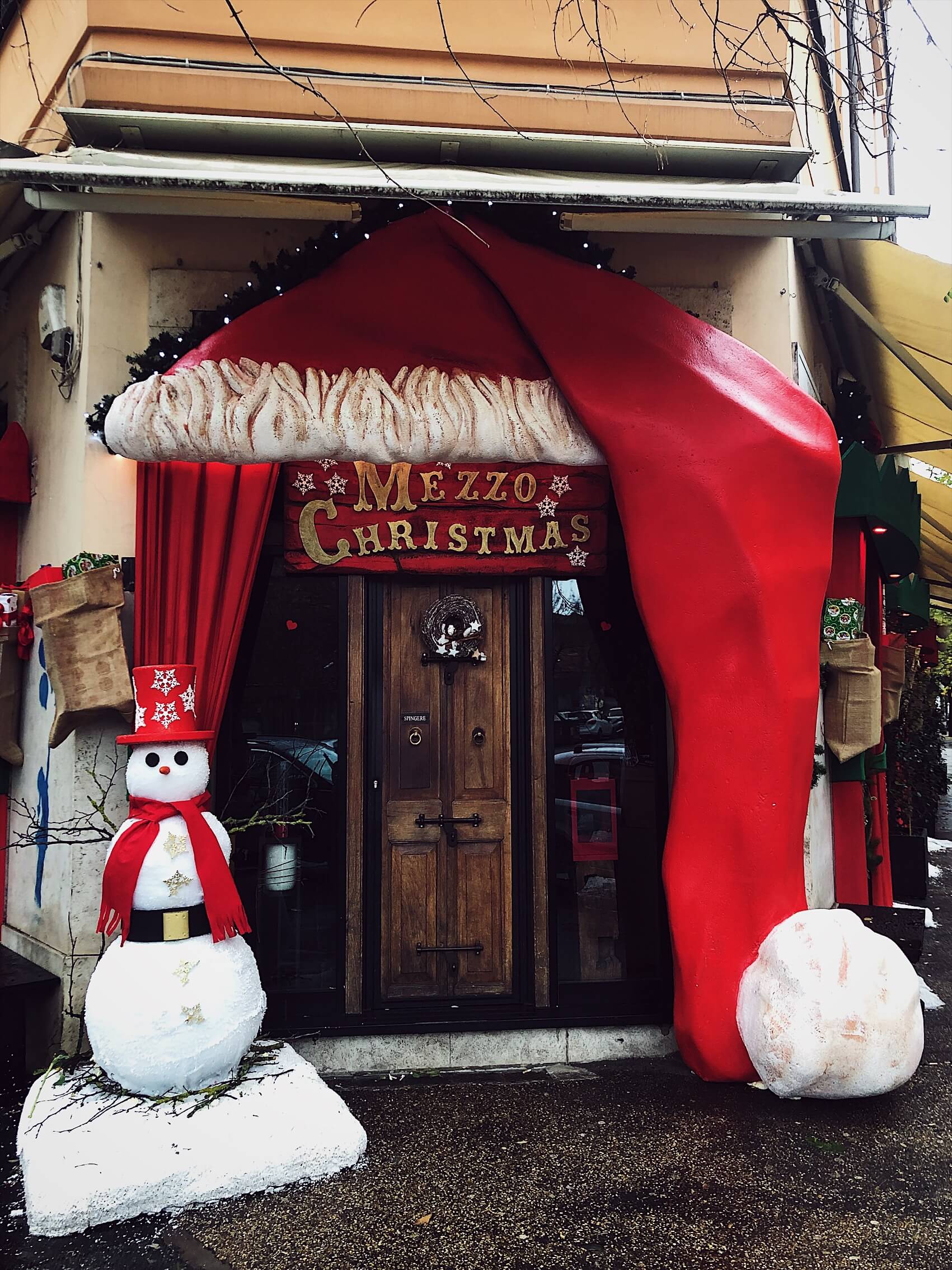
Italian Christmas decorations include door wreaths and street and window lights, as in many other places around the world.
But we also have traditional decorations such as the Presepe and the Ceppo.
In the past, the Presepe, or Nativity scene, was the main Christmas decoration, since Christmas was first and foremost a religious celebration.
The Ceppo, or Yule log, is another traditional Christmas element, although one with pre-Christian origins.
Christmas Weather in Italy
Christmas weather in Italy is generally cold, although temperatures tend to be milder in the South. Let’s say that most of us need at least a sweater.
Sometimes we see videos of people in Sicily swimming in the sea on Christmas Day, but there are only a few of them, and they mainly do it to make the rest of us envious.
Northern Italy is colder, of course. Snow sometimes falls at Christmas, while mountain areas see it much more regularly.
Lucky, lucky people.
In Rome and central Italy, I can remember perhaps two snowy Christmases in my entire life.
How Italians Celebrate Christmas
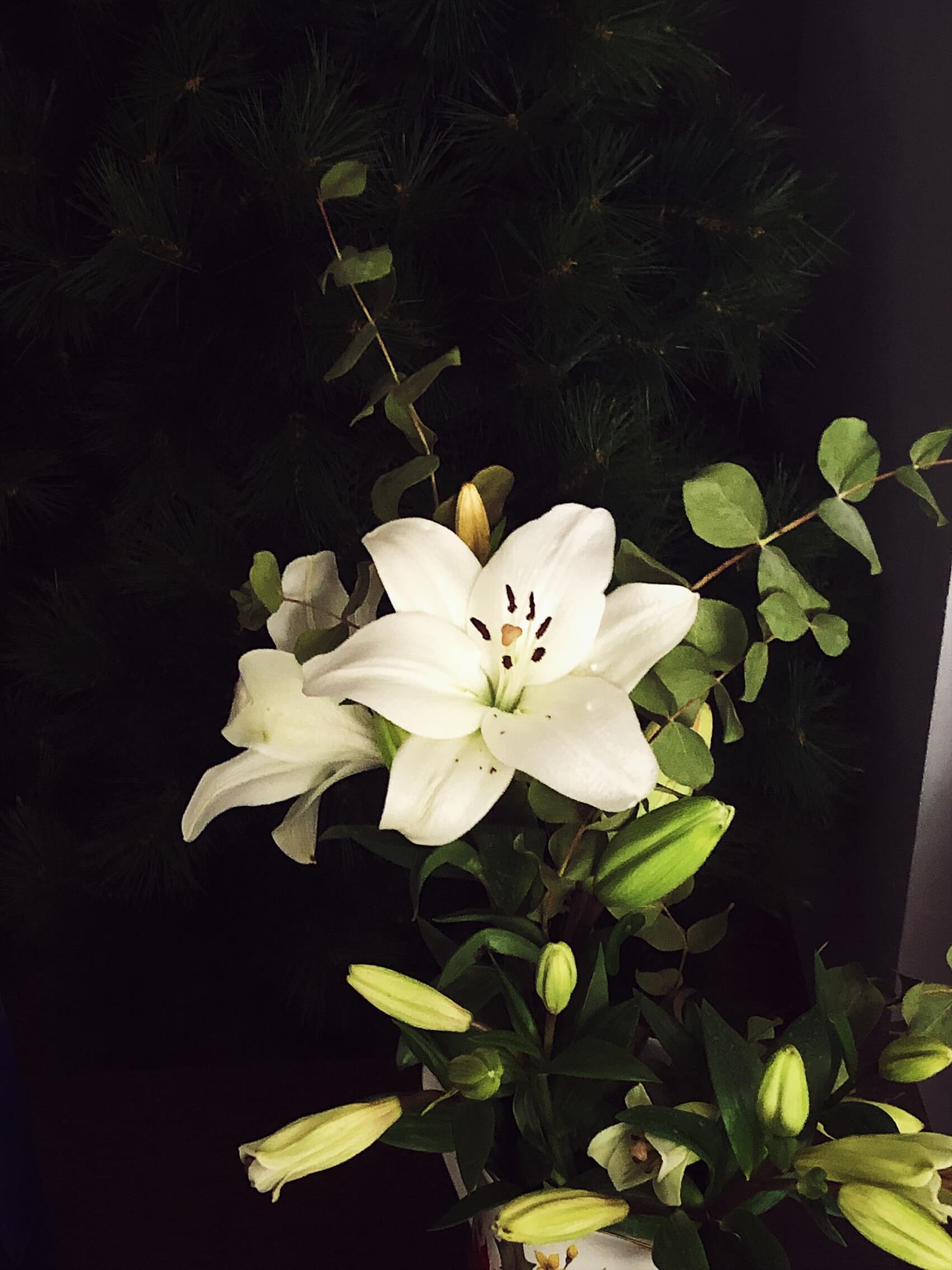
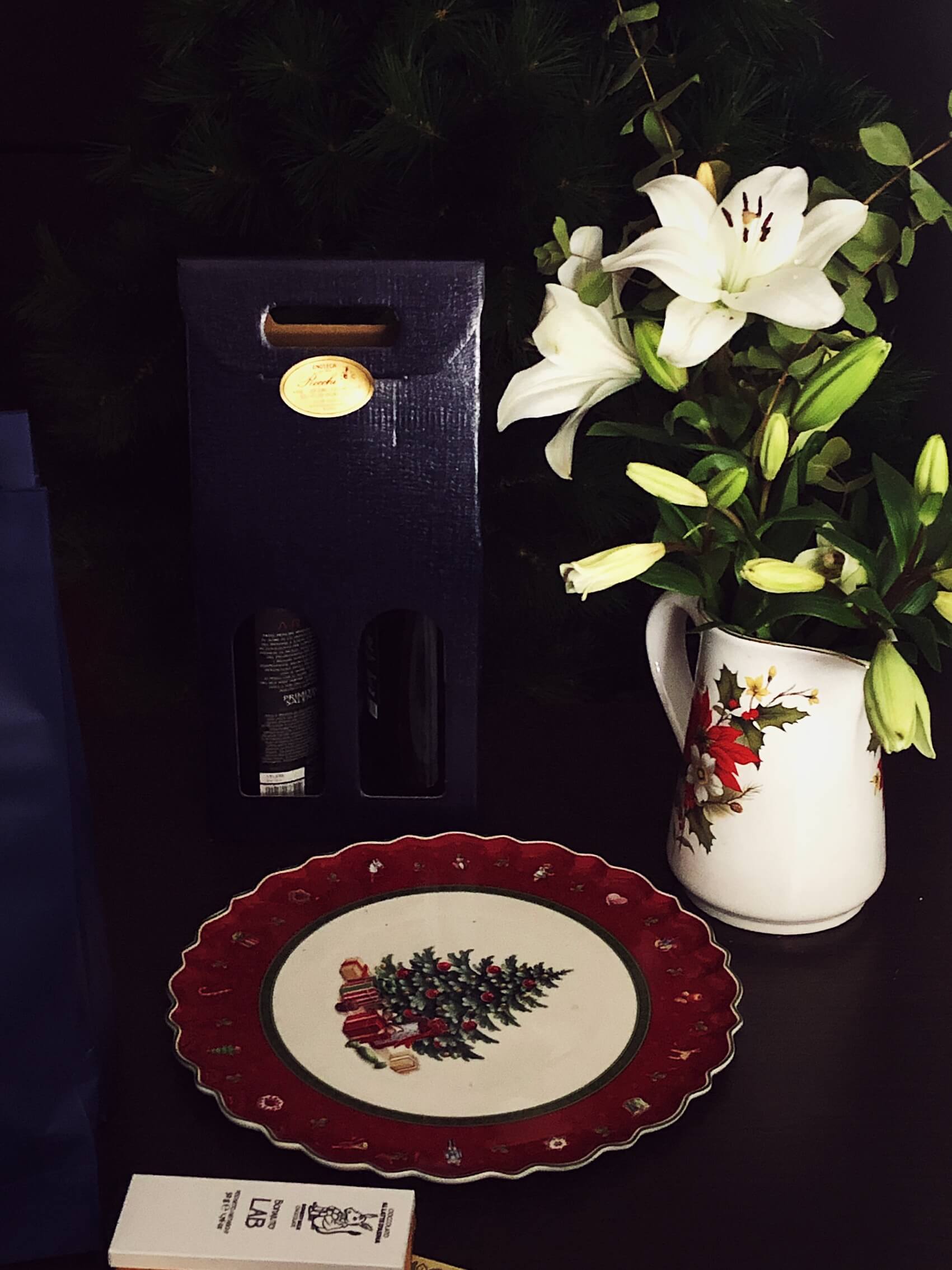
The weeks before Christmas Eve are dedicated to decorating, buying gifts, and having dinner with friends.
Christmas in Italy is a good excuse to go out with old friends, new friends, calcetto friends, yoga friends, and so on.
It is an occasion to meet, eat, exchange a little present, and raise a glass while exclaiming, “Buon Natale!”
If you are planning to spend Christmas in Italy (or an Italian Christmas at home!), knowing these rituals before you arrive can change the way you experience them. Through Inside Italian Culture, we can explore the traditions, everyday language, social codes, and local customs you are likely to encounter, shaping each session around your itinerary and interests.
Gifts
When the Christmas shopping season begins, many people visit malls, some take long walks downtown, and others have converted to online shopping.
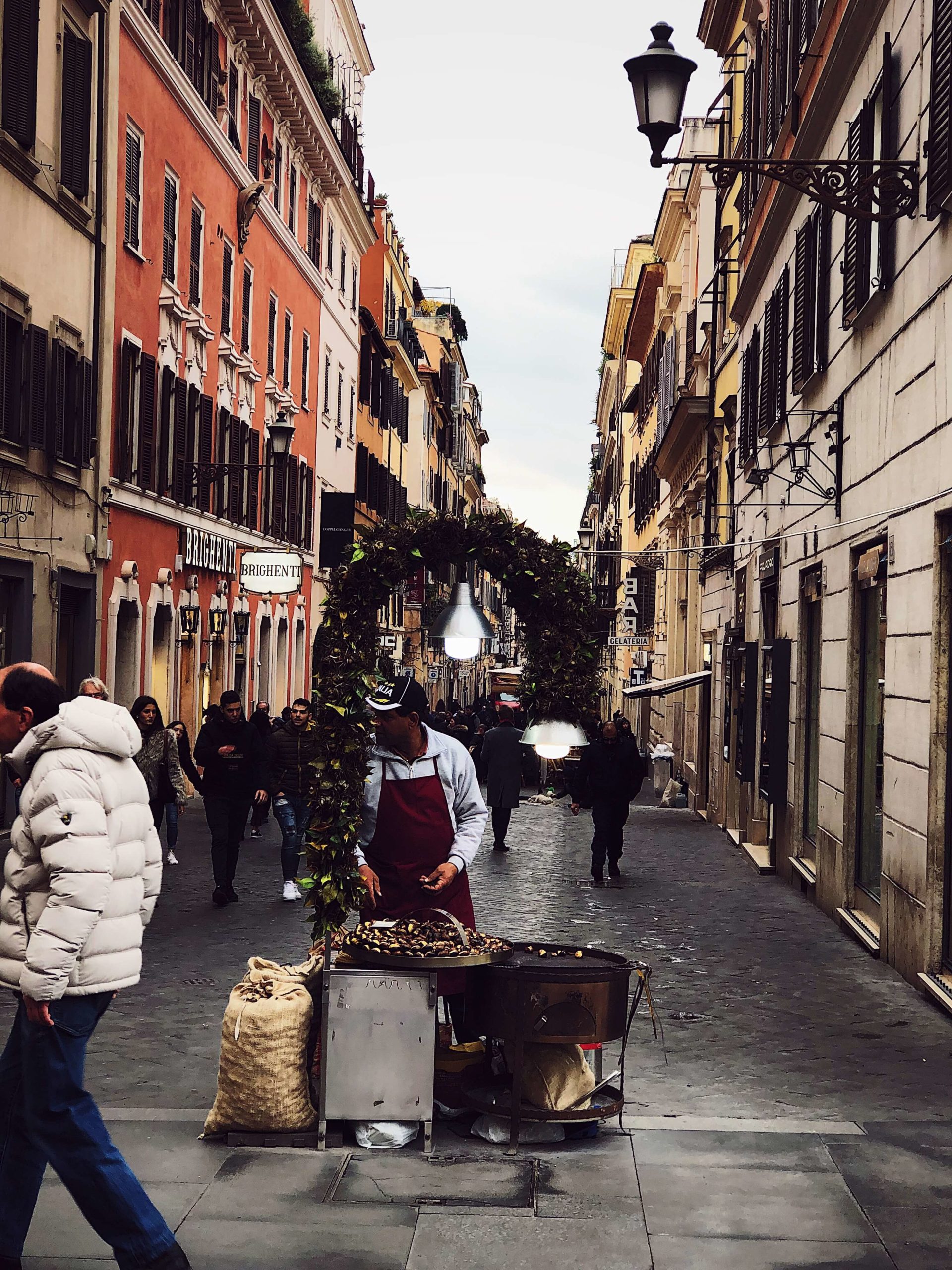
But more and more people are returning to the tradition of visiting Christmas markets in search of handmade and unusual gifts—and using the occasion as an excuse to have hot chocolate and a few treats.
Christmas Days and Traditions
Christmas Eve dinner in Italy is usually spent with family.
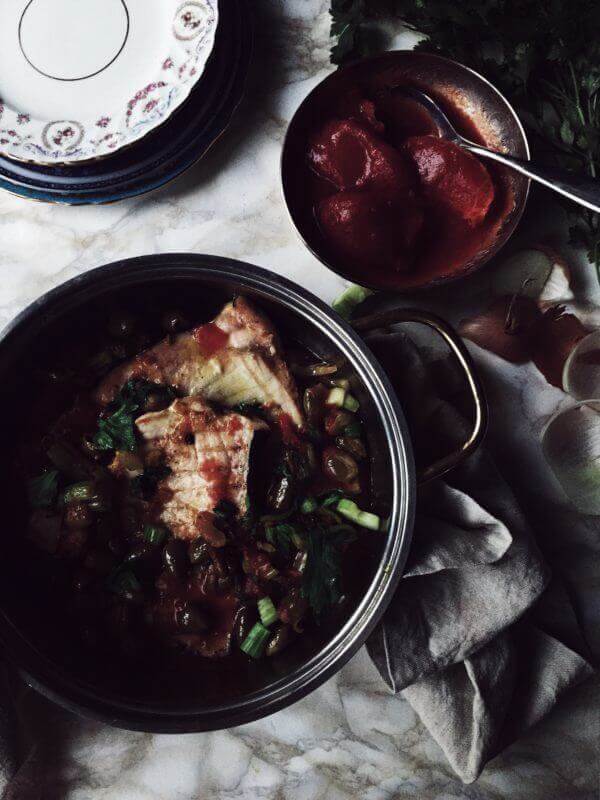
There is a large fish-based dinner for relatives and a few close friends. You can read more about Italian Christmas Eve food and traditions here.
On the 25th, after a frugal breakfast—no, just joking: it is full of Pandoro, Panettone, and other sugary delights—we get ready for an enormous lunch, welcoming meat back onto the menu.
On December 26, Santo Stefano, we have another large family lunch.
In recent years, however, some people have started giving up this final feast, opting instead for leftovers, the couch and movies, city walks, day trips, theater, or art exhibitions.
The Red & Orange Simposio includes a few traditional recipes for December 26, including dishes Roman families used to serve—and some still do.
Christmas Activities
Playing: that’s what we do.
Italians play cards all the time:
- after Christmas Eve dinner, while waiting for the presents or Midnight Mass;
- after Christmas Day lunch;
- throughout December 26;
- and on all the days that follow, until January 6.
Mostly, we play cards.
There are many games. Some are traditional, like Mercante in Fiera. Some are relatively new, like Salta Cavallo, or Jump the Horse. Others have very little to do with Christmas, like poker.
We play board games too, especially tombola, the Italian version of bingo.
Preparing for the games a few weeks before the festivities begin is essential. We must brush up on the rules, reorganize the games cabinet, and set aside enough coins to bet on our “winning horse.”
Besides playing, there is a lot of chatting—and sometimes fighting—along with many hugs, kisses, and food.
Italian Christmas Food
You have probably heard of Pandoro and Panettone, two slow-leavened Italian Christmas breads: one plain and buttery, the other equally buttery but filled with candied fruit and raisins.
You can find mass-produced or artisanal versions, with chocolate chips, limoncello cream, manna cream—a Sicilian specialty—exotic ingredients, and some rather improbable combinations.
But they are only the beginning of Italian Christmas desserts.
Depending on where you live, the Christmas table may be full of:
- Neapolitan struffoli—fried dough balls covered with honey;
- Tuscan panforte—a dense cake made with dried fruit, nuts, and spices;
- Tuscan castagnaccio—a rustic cake made with chestnut flour, pine nuts, and raisins;
- Gubana from Friuli—a sweet leavened cake rolled around a rich filling of nuts and dried fruit;
- Cartellate from Puglia—ribbons of dough fried and covered with honey or vincotto;
- Buccellato from Sicily—a pastry traditionally filled with dried figs and nuts;
- and many cookies, often similar to those families bake for the Festa dei Morti, the Day of the Dead.
You can find some of these recipes in the Red & Orange Simposio.
New Year’s Eve in Italy
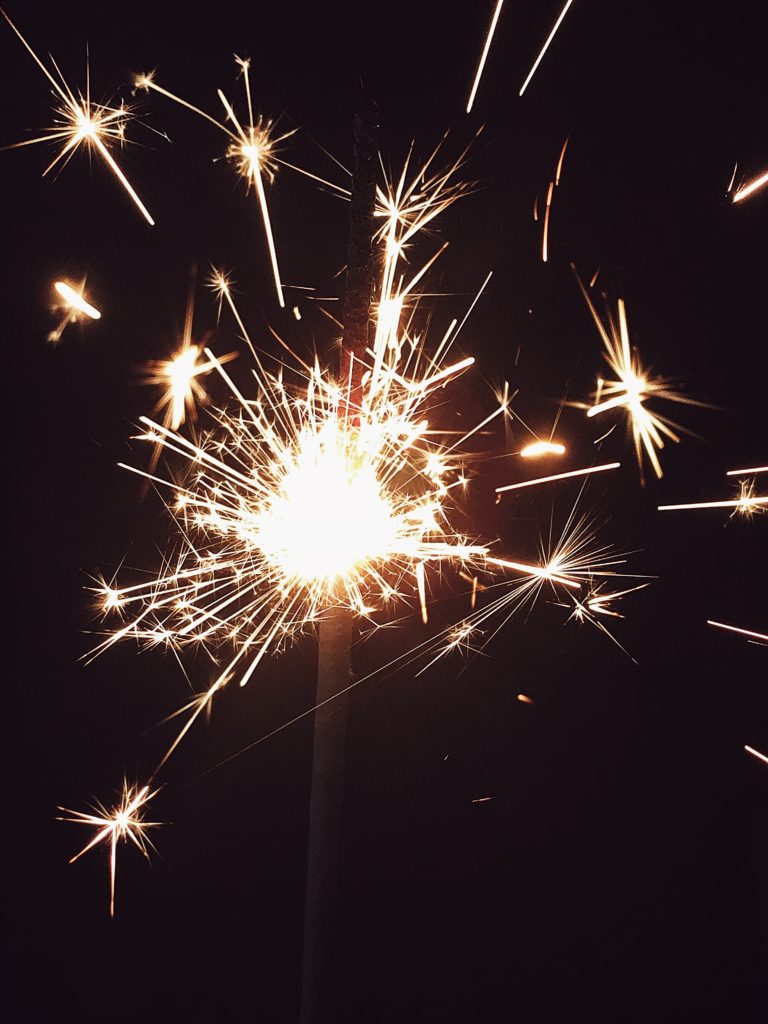
After the Christmas rush, it is time for New Year’s Eve celebrations.
No family, just friends.
Or at least that’s what tradition says.
La Befana
The week after New Year’s Eve feels a little strange: Christmas is almost over, but everyone still wants to have fun.
Italians therefore organize cartate—evenings spent playing cards—and dinners with the friends they did not manage to see before Christmas.
Then there are all the preparations for La Befana, on January 6.
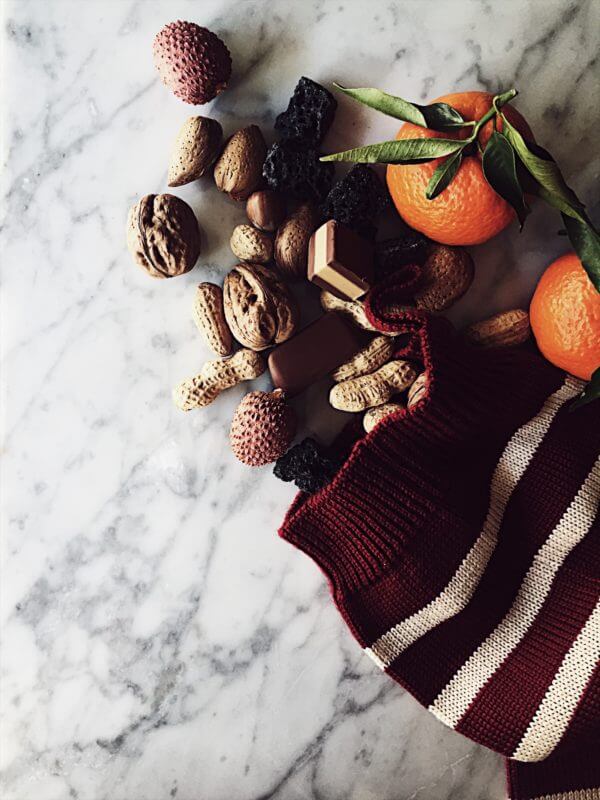
La Befana is an old woman, often represented as a witch, who fills children’s stockings with sweets, small presents, and sometimes coal.
That’s it: January 6 is the last day of Christmas.
Unless a weekend happens to be attached to it, everything is over. It is time to go back to school, work, and everyday life.
But that does not mean the fun is over forever. In less than a month, it will be time to dress up for Carnevale.
Enjoy Christmas in Italy and all the fun, the love, and the food.
Buon Natale,
Claudia