
Rome’s Traditional Food: What Romans Eat
Roman traditional food is straightforward, seasonal, and deeply tied to the city’s history. Pasta gets most of the attention, but there is much more to eat in Rome: fried antipasti, humble soups, offal, spring vegetables, artichokes, street food, festive sweets, and dishes that still follow the rhythm of the seasons.
This guide gathers the traditional food of Rome I have researched, cooked, eaten, and written about in my three Simposio books dedicated to the Eternal City.

Eating in Rome
Eating properly in Rome is a bit complicated: you must know where to go and when. Heavy tourist and local traffic can make it easy for lazy restaurateurs to let quality standards slip.
Every couple of years, a restaurant climbs the charts or makes a penitent revival.
Italians, as you’ve probably heard, speak about food even while eating food. One of the crucial pieces of information we exchange is which new restaurant is worth a try, which has made a clamorous comeback, and which has given up and is far from what it was.
With the exception of a few milestones, our foodie Via Crucis is infinite.
If you come to Rome, contact me: I’ll be glad to update you!

Traditional Roman Antipasti
Roman traditional starters are not exactly light, but many are very veggie and seasonal.
Mozzarella Crostini with anchovies. You’ll devour them!
Fiori di Zucca fritti. Zucchini blossoms stuffed with mozzarella and an anchovy fillet, battered, and deep fried. Traditionally served together with other fried delights as a starter when eating pizza.
Baccalà Fritto: same as zucchini blossoms, and in the same before-pizza tray.
Anguilla, eel, traditionally appears on Roman Christmas Eve tables, often marinated.
Raw fava beans and Pecorino Romano, instead, will be offered on warm Spring days, especially around May 1st.

Traditional Pasta Dishes in Rome
Rome’s traditional pasta dishes are made with few simple ingredients, mostly the same ones, but combined differently to give birth to unique, unforgettable delights.
Cacio e Pepe. How can just Pecorino cheese and black pepper give birth to this delight? Only locals know!
Amatriciana is my favorite: crunchy Guanciale in a sea of flavorful tomato sauce.

Carbonara: crunchy Guanciale interrupts the creaminess of an eggy and cheesy cream that envelopes each and every string.
Gricia: Guanciale, grated Pecorino Romano, and black pepper. That’s it!
Pasta e Patate. Many Italian regions have a traditional recipe for pasta with potatoes. Rome, too, has a local version.
Spaghetti alla Carrettiera. A very ancient recipe featuring tuna filets in olive oil and dried mushrooms.
Fettuccine alla Papalina. A relatively modern recipe, a “gourmet” version of Carbonara: Prosciutto and parmesan, peas or mushrooms, and the usual creamy egg condiment.
Minestra di Broccoli: Pasta and cauliflower are cooked together to form a minestra (a brothy pasta, rice, or other cereal preparation).
Pasta e Ceci. Pasta and chickpeas worked into another delicious, brothy minestra. The Roman version traditionally gets an extra boost from anchovies and rosemary.
Penne all’Arrabbiata. Lots of chili disrupting the sweet tomatoes in the sauce.
Rigatoni alla Zozzona. A relatively recent Roman recipe that seems determined to put all the great Roman pasta dishes into one plate: Guanciale, sausage, tomato, egg yolks, and Pecorino Romano. You’ll digest it next week, but it’s worth it!
Spaghetti alla Puttanesca: not uniquely Roman and with debated origins, but a familiar presence here too: tomato sauce with olives, capers, and anchovies.

Roman Primi Beyond Pasta
Gnocchi alla Romana, or semolina gnocchi, are prepared with coarse semolina, shaped into discs, greased with lots of butter, sprinkled with Parmesan cheese, and finally baked au gratin.
Zuppa di Ceci: a simple yet delicious chickpea soup.
Semmolella or Minestra di Semolino: a simple, very brothy semolina soup. Rare to find, being a very poor dish.
Pomodori al Riso. A classic summer recipe. Rice is seasoned with olive oil, garlic, herbs, and the tomato pulp, then cooked inside the tomatoes. Potatoes roasted in the same tray complete the dish. There’s a less-known version with pasta instead of rice.
Panzanella Romana. Not many know there’s a Roman Panzanella. It is seasoned with capers, anchovies, and herbs.
Stracciatella soup is something you might find on the December 26th menus: a wonderfully nourishing egg drop soup.
Traditional Roman Secondi
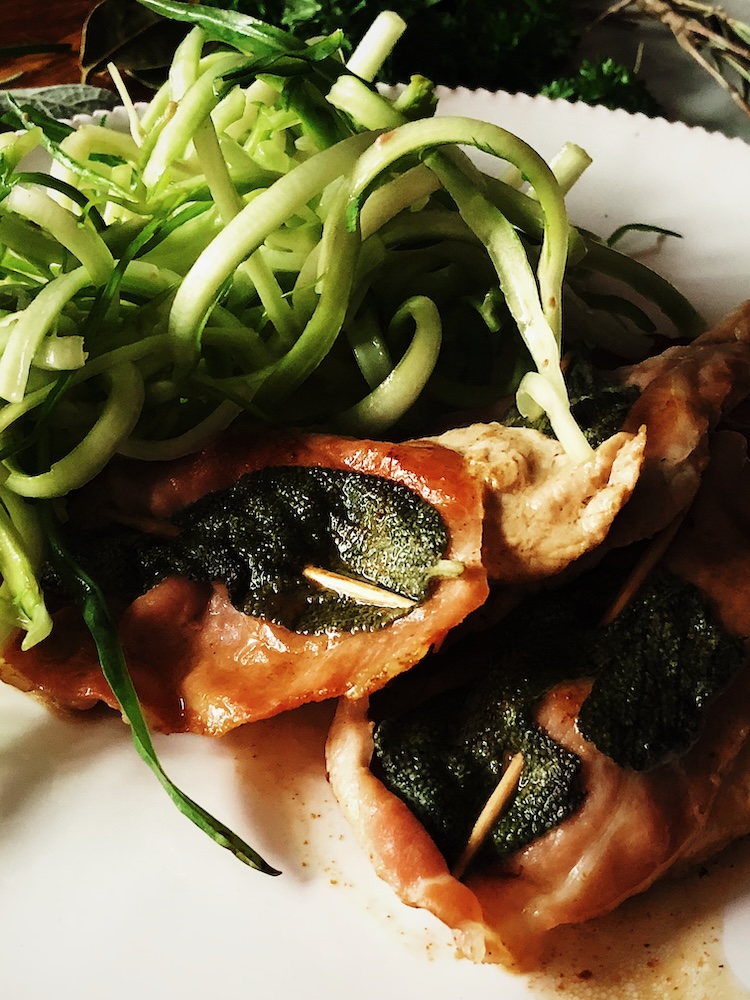
Saltimbocca alla Romana are small, thin veal scallops topped with Prosciutto and a fresh sage leaf, held together with a toothpick.
Ossobuco alla Romana: veal shank slowly cooked in tomato sauce.
Garofalato. A beef dish strongly aromatized with cloves, chiodi di garofano, thus the name.
Coda alla Vaccinara. One of the least valuable cuts of meat, the tail, transformed by popular wisdom into a delicious long-cooked stew.
Trippa alla Romana: tripe masterfully cooked with tomato, mint, and Pecorino Romano.
Pollo coi Peperoni. Pairing chicken and bell peppers is the wisest kitchen move anyone can make. It is also one of the classic Roman Ferragosto dishes.
Involtini di Carne. Every region or city has a recipe for meat involtini. Rome’s is simple, accompanied by vegetables, the unmissable Prosciutto, and wine.
Lesso alla Picchiapò. Rome’s Cucina Povera masterpiece is broth’s meat leftovers long sautéed with onions and tomatoes.
Punta di Petto alla Fornara: a marinated, then slowly roasted cut of breast meat. Alla fornara means “the baker’s way.”
One legend links the name to Margherita Luti, the Trastevere baker’s daughter known as La Fornarina and famously associated with Raphael. Another Roman story connects the dish to Giuditta Arquati Tavani, who is said to have prepared it shortly before being killed by papal troops during the Roman uprising of 1867.
Legends, perhaps, but very Roman ones.
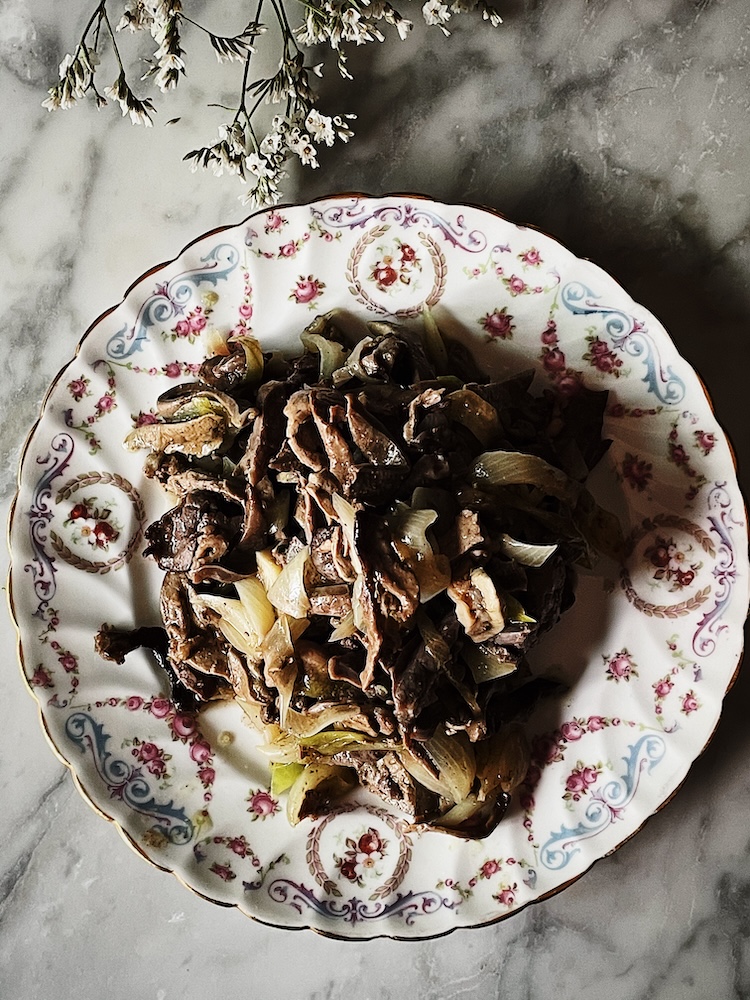
You’ll find many lamb dishes during Easter: Coratella con Carciofi—lamb offal and artichokes—and Abbacchio alla Romana, for example. Coratella with artichokes is particularly tied to the traditional Roman Easter breakfast.
Lumache, snails, used to be served on the night between June 23rd and 24th, San Giovanni’s night. It’s rare to find them nowadays, but possible.
Roman Side Dishes and Seasonal Vegetables
Cicoria Strascinata or Ripassata is certainly the most popular Roman side dish. Boiled chicory is sautéed in abundant oil flavored with garlic and chili.
Carciofi alla Romana. The local Roman artichokes are seasoned with garlic and herbs—especially mentuccia—and slowly stewed until tender and irresistible.

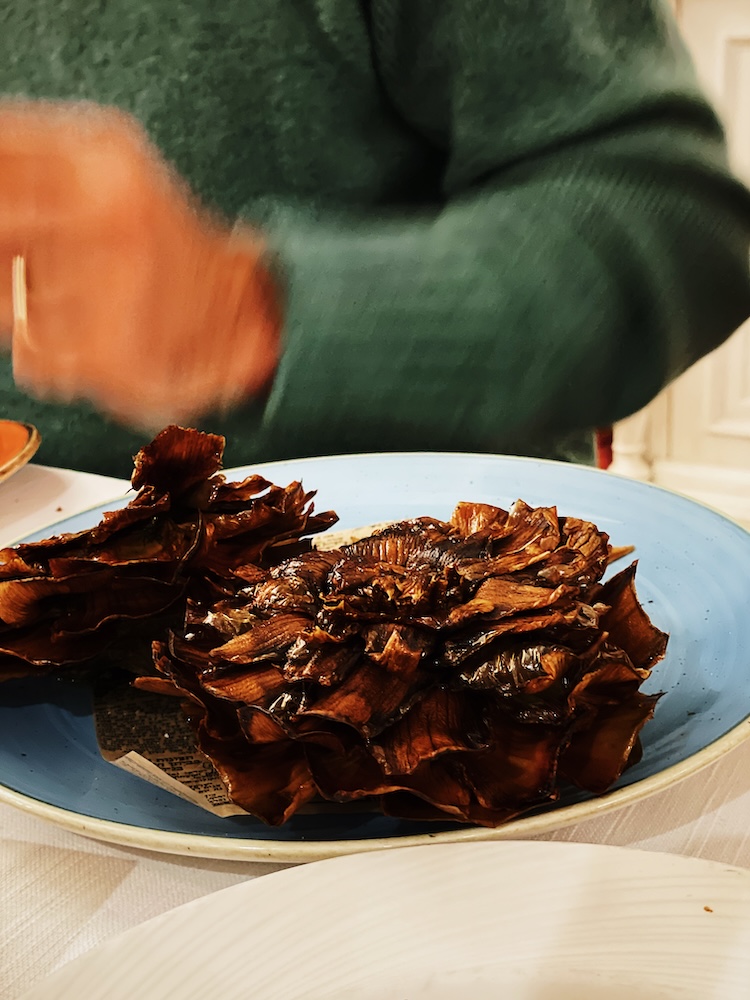
Carciofo alla Giudia.You’ll find these crunchy, deep-fried artichokes when in season, especially in and around the Ghetto.
Puntarelle alla Romana. Catalonia chicory shoots shaved into crispy ribbons, slightly bitter, and seasoned with an unforgettable dressing of anchovies, garlic, vinegar, and olive oil.
Vignarola is a vernal pan that combines artichokes, fava beans, peas, lettuce, and spring onions. To die for.
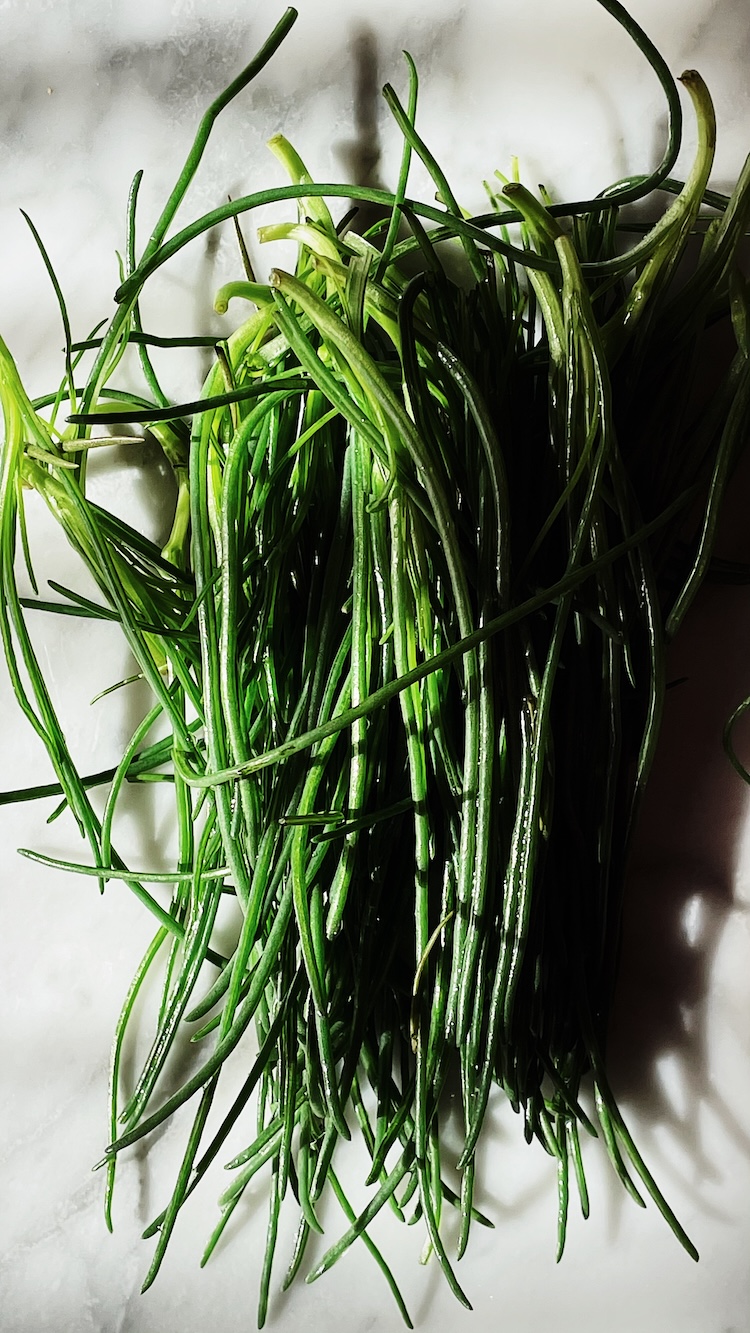
Agretti are wonderfully seasonal spring greens, very much at home in Lazio markets. We usually boil them briefly and season them with olive oil, salt, and freshly squeezed lemon juice. Their season is incredibly short, so grab them when you see them!
Broccoli al Prosciutto. Savory strips of prosciutto added to sautéed broccoli.
Zucchine in Padella. Prosciutto Crudo is added, once again, to sautéed zucchini.
Fagiolini a Corallo. In Rome, these broad, flat green beans are known as fagioli or fagiolini a corallo and are traditionally delicious cooked with tomato, onion, and olive oil.
Fiori di Zucca in Padella. Briefly sautéed zucchini blossoms.
Traditional Roman Desserts and Sweets
Crostata di Ricotta. A pie filled with marmellata di visciole, sour cherry jam, and creamy ricotta. One of my favorite desserts.
Maritozzi. Sweet bread rolls filled with whipped cream, a traditional breakfast in Rome or an afternoon treat.

Budino di Ricotta. A ricotta pudding, soft and aromatic. A bit harder to find on menus, being a very old-fashioned recipe.
Ciambelline al Vino, sort of wine-flavored doughnuts—or, more accurately, ring-shaped cookies—are a Castelli Romani and Lazio classic, traditionally served at the end of a meal and often dipped into wine.
Fave dei Morti, dead’s fava beans, are Roman almond cookies baked for the Festa dei Morti.
You will find Pangiallo, literally yellow bread, during Christmas. It’s a traditional festive sweet that people used to gift as a good omen.
For Carnival, any bakery will showcase Frappe—fried dough strips dusted with powdered sugar—and Castagnole, small fried, aromatized dough balls dusted with sugar.
Then, on March 19th, come the Bignè di San Giuseppe: fried or baked choux pastries filled with custard, a Roman institution for Saint Joseph’s Day and Father’s Day.


Rome Street Food
Supplì are Rome’s rice balls: traditionally rice seasoned with a meat-and-tomato sauce, stuffed with mozzarella, breaded, and deep-fried. They are delicious and part of the classic before-pizza tray.
Pizza al Taglio. Rome’s street pizza is made in rectangular oven trays and topped in a multitude of ways. You can find it rossa, simply covered with tomato sauce; margherita, with the addition of mozzarella; and then mushrooms, Prosciutto, sausages, tuna, potatoes… the alternatives are endless!
Pizza Bianca. The rectangular-shaped street pizza can also be found bianca, white, topped with little more than olive oil and salt. It is unforgettable. You should try it once alone and once stuffed with mortadella! During summer, go the extra mile and have it like the locals do: stuffed with Prosciutto Crudo and fresh figs!

Although its origins are not exclusively Roman, Porchetta is one of Lazio’s great street-food staples: seasoned, boned pork slowly roasted until the meat is tender and the skin crisp, then thinly sliced to fill panini. Rosette and Ciriole are Rome’s traditional bread buns.


Grattachecca: hand-shaved ice from Rome’s street kiosks, topped with syrups or fruit juices and often fresh fruit. Mint and orzata are among the classic flavors.
Enjoy Rome’s traditional food. Now you know exactly what to order!
And if, after all this reading, you’re craving more of Rome — not only food for the body, but food for the mind — you should really take a look at my Rome Simposio, Papal Rome Simposio, and Red & Orange Simposio: travel cookbooks meant to nourish curiosity and appetites through culture.
Claudia